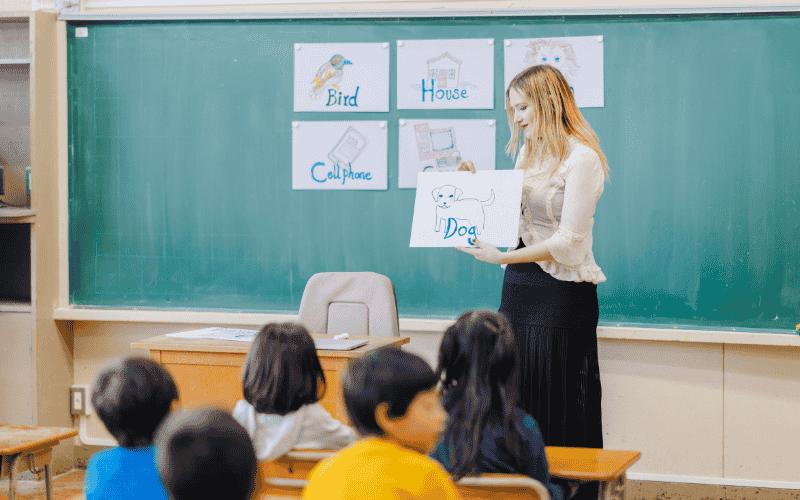


Artificial intelligence is rapidly changing classrooms around the world, and English language teaching is no exception. From lesson planning and assessment to personalized learning and pronunciation feedback, AI-powered tools are becoming increasingly common in TESOL (Teaching English to Speakers of Other Languages).
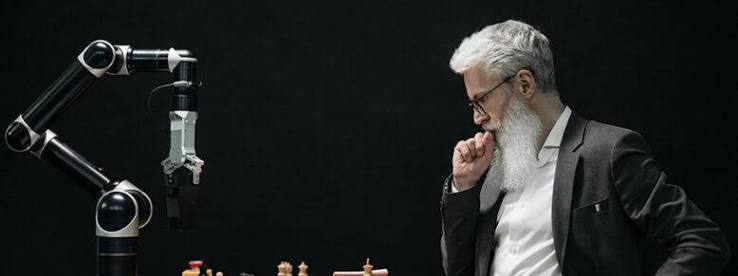
Rather than asking whether AI belongs in the classroom, many education leaders are now asking a different question: How can teachers and artificial intelligence work together to improve learning?
That question is at the heart of the International TESOL Union (ITU) 2026 Conference, which will focus on the theme "Human–AI Partnership in ELT: Designing Human-Centered, AI-Enabled Pedagogy." The conference will bring together educators, researchers, and language professionals to explore practical ways teachers can use AI while keeping students at the center of the learning experience. (International TESOL Union)
AI Is Changing English Language Teaching
Artificial intelligence has already become part of many English classrooms.
Teachers are using AI to:
- Generate lesson ideas.
- Create quizzes and worksheets.
- Provide grammar suggestions.
- Develop conversation prompts.
- Personalize learning activities.
- Offer pronunciation and writing feedback.
- Translate instructions for multilingual learners.
These tools can save educators valuable time while providing students with additional opportunities to practice English outside the classroom.
However, conference organizers emphasize that technology should enhance teaching not replace it.
Why Teachers Still Matter
Although AI can generate content quickly, it cannot replace the relationships that effective teachers build with their students.
Language learning is more than memorizing vocabulary or correcting grammar. It involves communication, cultural understanding, confidence, critical thinking, and meaningful interaction.
Teachers recognize when students are frustrated, encourage hesitant learners, adapt lessons in real time, and create supportive classroom environments. These human qualities remain essential to successful language learning.
AI may provide information, but teachers provide connection.
Finding the Right Balance
The theme of the ITU conference highlights an important idea: the future of TESOL is likely to involve partnership rather than competition between educators and technology.
Instead of viewing AI as a replacement for teachers, many experts believe it should be used to handle routine tasks while allowing educators to spend more time on activities that require human judgment and interaction.
For example, AI might help create practice exercises in minutes, giving teachers more time to coach students individually, facilitate discussions, and provide personalized support.
Challenges That Still Need Answers
As AI becomes more common in education, several important questions remain.
Educators continue discussing:
- Academic honesty.
- Student privacy.
- Data security.
- Accuracy of AI-generated information.
- Bias in AI systems.
- Responsible classroom use.
- Professional development for teachers.
These conversations are expected to play a major role at this year's conference as schools determine how to integrate AI responsibly.
Preparing Teachers for the Future
Professional development is becoming increasingly important as educational technology evolves.
Many teachers entered the profession long before generative AI tools became widely available. Conferences like the ITU 2026 event help educators understand emerging technologies, share classroom experiences, and develop practical strategies that improve learning without sacrificing educational quality.
The goal is not simply to learn how AI works it is to learn how to use it effectively, ethically, and in ways that genuinely benefit students.
Looking Ahead
Artificial intelligence will likely remain part of the future of English language teaching.
The question is no longer whether AI will influence classrooms, but how educators choose to use it.
The International TESOL Union's focus on a human-AI partnership reflects a growing belief within the profession: technology is most effective when it supports, rather than replaces, skilled educators.
As English language classrooms continue to evolve, the most successful learning environments may be those where teachers and technology work together combining the efficiency of AI with the creativity, empathy, and expertise that only educators can provide.
Sources
- International TESOL Union – ITU 2026 Conference: Human–AI Partnership in ELT
https://www.tesolunion.org/itu26/ - TESOL International Association – AI Resources and Professional Learning
https://www.tesol.org/professional-development/ - UNESCO – Guidance for Generative AI in Education and Research
https://www.unesco.org/en/artificial-intelligence/education