




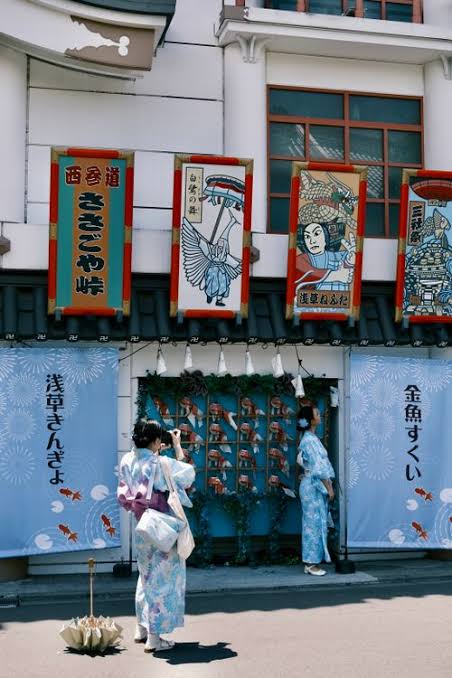

As schools across Japan prepare for summer vacation, extreme heat is changing how educators and local governments think about school calendars, sports, child safety, food support, public facilities, and access to learning during the long break.
Editorial Note
This article examines school summer vacation, extreme heat, student safety, educational access, food assistance, and community support in Japan.
Summer vacation dates are not identical across the country. Public-school calendars are generally determined by the relevant municipal or prefectural education authorities, while private schools, universities, and national institutions may operate under different rules. Readers should consult their local school or education board for exact dates.
The Ministry of Education, Culture, Sports, Science and Technology has issued guidance encouraging local authorities to provide safe, air-conditioned places where children can learn, participate in activities, and spend time during long school breaks. The guidance is a national request for local action rather than a guarantee that every community will provide the same services.
Heat-related risks vary according to location, temperature, humidity, activity level, health status, access to air conditioning, and other conditions. This article does not provide medical, legal, childcare, or emergency guidance.
New To Education is not affiliated with Japan’s Ministry of Education, local education boards, the Children and Families Agency, the Japan Sports Agency, participating schools, libraries, community centers, or the publications referenced in this article.
As many Japanese schools prepared to begin their summer vacation, a July 17 education commentary drew attention to an increasingly complicated question: What should the long school break look like in an era of extreme heat?
Summer vacation has traditionally offered children time away from regular classes, opportunities to travel, visit relatives, join club activities, complete independent projects, and participate in community events.
However, hotter summers are changing the experience.
Outdoor sports can become unsafe. Families without reliable air conditioning may struggle to keep children comfortable. Some students lose access to school meals, structured learning, adult supervision, and the emotional stability provided by their daily school routines.
Japan’s Ministry of Education has responded by encouraging local education authorities to use schools, libraries, community centers, museums, sports facilities, and other public buildings as safe places for children during long school breaks.
The issue shows that summer vacation is no longer simply a question of when schools close. It is becoming a larger debate about climate, educational inequality, child welfare, and the responsibilities communities retain when regular classes stop.
Summer Vacation Does Not Begin on the Same Day Across Japan
Japan does not operate under one completely uniform summer-vacation calendar.
Local education boards determine the vacation periods for many public elementary, junior-high, and high schools. Dates can therefore differ according to the municipality, prefecture, climate, school type, and local academic calendar.
In much of the Tokyo area, summer vacation traditionally begins around July 21 and continues through the end of August. Other regions begin or end at different times.
Schools in Hokkaido have historically had shorter summer breaks and longer winter breaks because of regional weather conditions. Warmer areas may follow different schedules, although increasingly severe heat is placing pressure on schools throughout the country.
Universities and colleges of technology often have longer breaks than elementary and secondary schools.
These differences reflect Japan’s decentralized approach to public-school calendars. Local authorities can respond to regional conditions, but the system can also produce unequal experiences depending on where a child lives.
MEXT Wants Communities to Use Public Facilities During the Break
Ahead of the 2026 summer vacation, MEXT asked education boards to expand opportunities for children to use school and community facilities.
The ministry described long vacations as valuable periods during which children can encounter experiences and forms of learning that differ from their usual school routines.
At the same time, MEXT acknowledged that family circumstances are becoming more diverse and that not every child has equal access to enrichment activities, safe indoor spaces, or adult supervision.
The ministry encouraged local authorities to consider opening air-conditioned schools, libraries, community centers, youth facilities, science museums, cultural facilities, and sports buildings as safe spaces during extreme heat.
The request also called for cooperation among schools, universities, businesses, nonprofit organizations, public agencies, and community groups.
This approach recognizes that children do not stop needing educational and social support when the school term ends.
Extreme Heat Is Changing the Meaning of Summer Vacation
Summer vacation once appeared to offer a natural solution to hot classrooms.
Schools could close during the hottest part of the year, allowing students and teachers to avoid uncomfortable buildings.
That assumption no longer works as neatly.
Children may leave air-conditioned classrooms and return to homes without sufficient cooling. They may spend long periods outdoors, participate in sports practices, or travel during dangerous temperatures.
Heat exposure can occur during club activities, community events, transportation, playground use, swimming activities, and even indoor programs when buildings are poorly ventilated.
MEXT’s school-safety guidance warns that heatstroke can occur during classes, sports, extracurricular activities, and travel to and from school.
The ministry has also emphasized that dangerous conditions can begin at temperatures that do not seem unusually extreme, especially when humidity is high or students have not yet adapted to the heat.
Summer vacation therefore does not remove heat risk. It moves that risk into different settings.
Schools and Clubs Must Reconsider Outdoor Sports
School sports remain an important part of education in Japan.
Club activities help students build friendships, discipline, confidence, physical fitness, and connections with teachers and older classmates.
However, traditional expectations surrounding summer practice are becoming harder to defend during extreme heat.
Students may be expected to run, train, or compete outdoors for long periods. Some may hesitate to ask for a break because they fear disappointing a coach or appearing weak in front of teammates.
Heat illness can develop quickly, especially during high-intensity exercise.
Schools and sports organizations should use the wet-bulb globe temperature, commonly known as the WBGT or heat index, to evaluate whether activities should be modified, moved indoors, postponed, or canceled.
Water breaks alone may not be sufficient during dangerous conditions.
Coaches must also consider clothing, protective equipment, the length of practice, shade, cooling areas, individual health conditions, and how recently students have returned from a period of inactivity.
The goal should not be to determine how much heat students can tolerate. It should be to prevent avoidable harm.
A Shorter Summer Break Is Not a Simple Solution
Some people may respond to extreme heat by suggesting that Japan shorten summer vacation and move more instructional days into other parts of the year.
That proposal is more complicated than it initially appears.
Many schools still have gyms, special classrooms, corridors, and older buildings without adequate cooling. Bringing students back into buildings during the hottest weeks could create different safety problems.
Teachers also need time for training, administrative work, lesson planning, and leave.
Families make childcare, travel, and work arrangements around the established calendar. Sudden changes could create financial and logistical difficulties.
A more realistic discussion may involve adjusting the entire school year, improving building infrastructure, creating flexible regional calendars, changing the timing of sports competitions, and expanding air-conditioning.
Japan may eventually need school calendars that respond more directly to local climate conditions rather than following traditions developed under cooler weather patterns.
School Buildings Could Serve a Different Purpose During Vacation
Opening parts of school buildings during summer vacation could help address several problems at once.
Air-conditioned libraries, classrooms, cafeterias, and community rooms could provide children with safe places to read, study, participate in workshops, or meet friends.
Schools could host short programs in science, technology, art, music, language learning, reading, sports, career exploration, or community service.
Facilities could also support children whose parents are working and families that cannot afford private camps or lessons.
However, opening schools creates practical questions.
Local authorities must determine who will supervise children, how facilities will be secured, who will clean the buildings, which rooms can be used, and whether teachers will be expected to work additional hours.
The programs should not depend entirely on unpaid teacher labor.
Community organizations, youth workers, university students, trained volunteers, cultural institutions, and local businesses may all have a role, but appropriate screening, supervision, and safety procedures remain necessary.
Libraries and Community Centers Could Reduce Inequality
Libraries and community centers are especially important during long school breaks.
They can provide air conditioning, internet access, books, study space, activities, and contact with trusted adults.
For some students, these resources are already available at home. For others, they are not.
A child living in a crowded home may have difficulty finding a quiet place to read or complete summer assignments. Another may lack reliable internet access or a suitable computer.
Some students may spend much of the break alone while parents work.
Expanding public spaces can help reduce these differences.
MEXT has encouraged communities to strengthen the role of libraries and public learning facilities as accessible places for children and young people.
The success of that strategy will depend on opening hours, transportation, staffing, accessibility, and whether families know the programs exist.
A facility is not truly accessible when it closes early, requires a long journey, or does not provide support for children with disabilities.
The Loss of School Meals Can Create Summer Hardship
Summer vacation can be financially difficult for families that rely on school meals.
During the school term, students may receive a dependable lunch at a relatively low cost. When school closes, families must provide additional meals at home.
That can place pressure on low-income households, especially when food prices and utility costs are already high.
The Children and Families Agency and other ministries have urged local governments to use available programs supporting food access and safe places for children during the summer.
Community cafeterias, food banks, meal-distribution programs, after-school services, and nonprofit organizations may help fill the gap.
However, families may not know where to seek assistance or may feel embarrassed about requesting help.
Schools can play a useful role by distributing information before the vacation begins and presenting assistance as a normal community resource rather than evidence of family failure.
Educational policy cannot ignore hunger. A child who lacks regular meals will have fewer opportunities to rest, learn, play, and return to school prepared.
Summer Learning Gaps May Grow Between Families
Summer vacation does not affect every child’s education in the same way.
Some families can pay for tutoring, travel, camps, sports, museum visits, books, and language programs.
Other children may have few structured activities.
Students who already find school difficult may lose confidence or forget previously learned material during the break. Those with strong academic support may return having moved further ahead.
This difference is sometimes described as summer learning loss, although the pattern varies across subjects, students, and education systems.
Japan should avoid turning summer into another period of intense academic pressure.
Children need rest, play, family time, and opportunities to make choices.
Still, optional and accessible learning programs can help students maintain reading, mathematical thinking, curiosity, and social connection without recreating the full school day.
The strongest summer programs combine learning with exploration rather than assigning children endless worksheets.
Students Experiencing School Refusal May Need Different Support
The beginning of summer vacation may feel like relief for students who experience school refusal, anxiety, bullying, social isolation, or other difficulties.
The break removes the immediate pressure of attendance.
However, the approaching return to school can become a source of intense stress later in the summer.
Communities should maintain access to counseling, youth centers, online support, and alternative learning opportunities throughout the break.
Schools should also consider how they communicate with students who were already disengaged before vacation.
A message focused only on completing homework or returning on time may miss the deeper reason the student is struggling.
Summer can provide an opportunity to rebuild trust, create a gradual return plan, or connect the student with a more appropriate educational environment.
That support should be offered carefully and without making the child feel constantly monitored.
Teachers Also Need a Sustainable Summer
Public discussions about summer vacation often assume that teachers receive the entire period as personal leave.
In reality, many educators continue working.
They may supervise club activities, attend training, prepare lessons, organize classrooms, meet with colleagues, complete administrative tasks, support student programs, and plan for the next term.
Opening more school facilities during summer could increase that workload unless responsibilities are distributed fairly.
Japan is already attempting to address excessive teacher working hours.
Any expansion of summer programs should therefore include funding for dedicated staff, community partnerships, and realistic work schedules.
A policy designed to support children should not depend on exhausting teachers.
Climate Change May Force Longer-Term Calendar Reform
Japan’s summer heat is not a temporary inconvenience.
Rising temperatures may eventually require structural changes to school calendars, buildings, transportation, sports, and outdoor education.
Local authorities may need greater flexibility to shift instructional days according to regional conditions.
Schools may need earlier morning schedules, longer breaks during the hottest weeks, or additional instructional periods in cooler seasons.
Sports competitions may need to move to different months or locations.
School construction standards may also need to place greater emphasis on insulation, shade, ventilation, efficient cooling, and heat-resistant outdoor spaces.
These changes will require funding.
Wealthier municipalities should not be the only communities able to protect children from heat.
National support may be necessary to ensure that rural schools, older buildings, and financially constrained districts can make the same safety improvements.
Local Flexibility Must Not Create Unequal Safety
Allowing local education boards to set calendars has clear advantages.
A school in Hokkaido does not face exactly the same conditions as a school in Okinawa, Tokyo, Osaka, or Kagoshima.
Local decision-making can reflect weather, festivals, transportation, building conditions, and community needs.
However, flexibility should operate within strong national safety expectations.
A child’s protection from dangerous heat should not depend entirely on whether their municipality has sufficient money, staff, or political attention.
Japan needs consistent minimum standards for activity cancellation, cooling access, emergency response, school facilities, and public communication.
Local governments can go beyond those standards, but no community should fall below them.
Families Need Clear Information Before Schools Close
MEXT has asked local authorities and schools to provide families with information about summer programs and available facilities before the vacation begins.
That step sounds basic, but it is essential.
Parents need to know where children can study, receive meals, attend events, use computers, cool down, or seek support.
Information should be available through school websites, printed notices, local-government pages, libraries, community centers, and multilingual communication channels.
Families who recently arrived in Japan may not understand how summer vacation operates or which services are available.
Notices written only in formal Japanese may also be difficult for some parents to use.
Clear communication should include dates, locations, costs, eligibility, accessibility, required registration, transportation, and emergency contact information.
A program cannot reduce inequality when the families who need it most never hear about it.
Key Takeaways
A July 17 education commentary highlighted the beginning of Japan’s summer-vacation season and the different ways local authorities establish school-break calendars.
Summer vacation dates vary across Japan because public-school schedules are generally determined by municipal or prefectural education authorities.
MEXT has asked communities to use air-conditioned schools, libraries, community centers, museums, and other public facilities as safe places where children can learn and spend time during long vacations.
Extreme heat is creating new concerns about school sports, outdoor activities, transportation, childcare, unequal access to air conditioning, and the safety of returning to school after the break.
Summer vacation can deepen educational and economic inequality because some families can afford camps, tutoring, travel, and enrichment activities while others struggle with food, supervision, internet access, and safe indoor space.
Opening schools and public facilities could help, but programs need funding, trained supervision, accessibility, privacy protections, and realistic expectations for teachers.
Japan may eventually need broader reform of school calendars, sports schedules, building standards, and heat-safety rules as summers become hotter.
Frequently Asked Questions
Do all Japanese schools begin summer vacation on the same day?
No. Vacation dates vary according to the school, municipality, prefecture, and institution type.
Who determines public-school vacation dates in Japan?
Relevant local or prefectural education authorities generally determine the calendars for public elementary and secondary schools.
When does summer vacation usually begin?
Many schools begin vacation during the second half of July, but exact dates differ by region and school.
Why is extreme heat becoming an education issue?
Heat affects classrooms, sports, school travel, summer programs, childcare, public facilities, and the ability of children to participate safely in outdoor activities.
Are schools required to remain open during vacation?
MEXT has encouraged communities to make appropriate facilities available, but the request does not mean every school must operate the same summer program.
Why are libraries important during the break?
Libraries can provide air conditioning, internet access, books, study space, activities, and a safe place for children who may not have those resources at home.
Do students still participate in school clubs during summer vacation?
Many clubs continue training and competitions, although schedules and activities may be changed or canceled because of heat.
How should schools respond to dangerous temperatures?
Schools should evaluate actual conditions, use the WBGT heat index where appropriate, provide water and cooling, consider individual student needs, and modify or cancel unsafe activities.
Does summer vacation create learning loss?
Some students may lose skills or confidence during a long break, but the effects vary. Voluntary reading, exploration, community activities, and accessible learning support can help.
Could Japan change its school calendar because of climate change?
It is possible. Increasing heat may lead policymakers to reconsider vacation timing, sports calendars, school facilities, and the distribution of instructional days.
Final Thoughts
Japan’s summer vacation remains an important period for children to rest, explore, spend time with family, and experience forms of learning that do not fit neatly inside a classroom.
But the long break is not equally relaxing or safe for every student.
Some children return to cool homes, stocked kitchens, private lessons, and carefully planned activities. Others lose school meals, structured supervision, air conditioning, internet access, and daily contact with supportive adults.
Extreme heat makes those differences harder to ignore.
Japan’s decision to encourage the use of public facilities during school vacations is a practical step. Libraries, schools, museums, and community centers can become places of safety as well as learning.
The larger challenge is to rethink the idea that educational responsibility ends when the school gates close.
Children still need safe environments, food, social connection, accessible activities, and protection from dangerous weather.
As Japan’s climate changes, its school calendars and community systems may need to change with it.
Support New To Education
New To Education works to make developments in education, student safety, climate policy, school leadership, research, and international learning easier to understand.
Your support helps us continue publishing accessible educational articles, highlighting schools and educators, developing learning services, and expanding resources for students, families, and professionals around the world.
Readers can support New To Education through the donation area below, share this article, explore our educational services, or visit our website to learn more.
Related Articles
Japan Opens Virtual Education-Support Centers for Students Struggling to Attend School
https://www.newtoeducation.com/view-blog/osaka-opens-virtual-education-support-center-for-students-struggling-to-attend-school-6a57a17dd6292
Japan’s New Digital Textbook Law Opens a Long Transition for Schools
https://newtoeducation.com/view-blog/japans-new-digital-textbook-law-opens-a-long-transition-for-schools-6a38e868af56f
Sources
Science News Japan — July 17, 2026 Education Commentary
https://sci-news.co.jp/column/11353/
Ministry of Education, Culture, Sports, Science and Technology — Request to Expand Learning and Experiences During Long School Vacations
https://www.mext.go.jp/content/20260707-mxt_chisui-000050931_2.pdf
Ministry of Education, Culture, Sports, Science and Technology — Heatstroke and Water-Accident Prevention Information
https://anzenkyouiku.mext.go.jp/heatillness/index.html
Japan Sports Agency — Heatstroke Prevention in Sports
https://www.mext.go.jp/sports/b_menu/hakusho/nc/jsa_00038.html
Ministry of the Environment — Heat Illness Prevention Information
https://www.wbgt.env.go.jp/
Children and Families Agency — Support During the Summer Vacation Period
https://www.cfa.go.jp/policies/kodomonohinkon/natsu-ibasyo-syoku




