

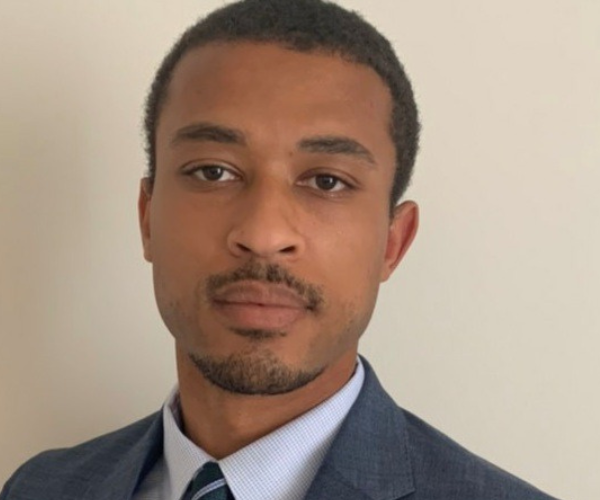


Founded by Ohlone cultural leaders Vincent Medina and Louis Trevino, Cafe Ohlone uses Indigenous food, language, and education to celebrate the living Ohlone community in Berkeley, California.
Editorial Note
Minority-Owned Business Spotlight is a recurring New To Education series highlighting businesses with publicly documented minority, immigrant, Indigenous, women, veteran, or historically underrepresented founder and ownership stories.
This article is intended for educational and informational purposes. Inclusion does not constitute an endorsement, sponsorship, paid promotion, formal minority-business certification claim, or recommendation of any company, food, product, or service. Menus, schedules, locations, and reservation requirements may change.
A Restaurant Built Around Cultural Continuity
Cafe Ohlone is difficult to describe as only a restaurant.
Founded by Ohlone cultural leaders Vincent Medina and Louis Trevino, the Berkeley-based project uses food to strengthen Indigenous identity, restore language, educate the public, and create spaces where Ohlone culture is presented by Ohlone people.
The founders describe Cafe Ohlone as a love song to their culture. Its meals draw from ingredients and food traditions connected to the Indigenous people of California’s East Bay and Central Coast.
Acorns, chia seeds, berries, herbs, mushrooms, venison, quail, seafood, nuts, and native plants may appear in dishes and drinks. The specific offerings change with the seasons, availability, and the cultural purpose of each gathering.
The experience is intentionally different from entering a conventional restaurant, ordering quickly, and leaving after the meal.
Food may be accompanied by Ohlone-language introductions, explanations of ingredients, discussions of the land, cultural teachings, songs, or reflections on the survival of Ohlone communities.
Cafe Ohlone is therefore both a hospitality project and an educational institution. It demonstrates how Native-owned businesses can generate economic activity while supporting cultural restoration and community authority.
The Founders Are Ohlone Language and Cultural Leaders
Medina and Trevino are partners in life and in their cultural work.
Medina is an East Bay Ohlone man and a leader in the restoration of Chochenyo, an Ohlone language historically spoken in the East Bay. Trevino is Rumsen Ohlone and works to restore the Rumsen language associated with the Carmel Valley and Monterey Bay region.
The two founders explain that their work is guided by elders and focused on sustaining the traditions of their specific Ohlone communities. Their organization, mak-’amham, connects food with language, gathering, cultural teaching, and the continuation of Ohlone identity.
This language work is essential to understanding Cafe Ohlone.
Food names, plant knowledge, geography, family relationships, and cultural values are carried through language. When an Indigenous language is threatened, communities risk losing more than vocabulary. They may also lose ways of describing the natural world and relationships among people, animals, plants, and places.
By using Chochenyo and Rumsen in their work, Medina and Trevino make clear that these languages are not artifacts belonging only to the past. They are living languages being spoken, taught, and strengthened by contemporary Ohlone people.
Cafe Ohlone Opened in Berkeley in 2018
Cafe Ohlone began in 2018 as an intimate dining experience in the courtyard behind University Press Books in Berkeley.
Its original setting helped create a sense of separation from the surrounding city. Guests entered a carefully designed outdoor environment where Ohlone plants, food, language, and cultural teachings shaped the experience.
The founders were not trained through a conventional culinary-school route. Their knowledge developed through community relationships, conversations with elders, research, experimentation, and the restoration of traditions that colonial systems attempted to suppress.
The restaurant quickly attracted attention because it presented a part of California food history that many residents had never encountered.
California cuisine is often associated with farm-to-table restaurants, wine, produce, seafood, and ingredients drawn from the state’s climate. Yet the food knowledge of California Native peoples existed for thousands of years before those modern culinary movements.
Cafe Ohlone challenges customers to understand California food through a much longer historical timeline.
The Pandemic Forced the Business to Change
The original Cafe Ohlone location closed during the COVID-19 pandemic after University Press Books shut down.
Like many hospitality businesses, the cafe had to reconsider how it could maintain relationships with customers when communal dining was no longer possible.
The founders developed meal boxes that allowed people to experience Ohlone foods at home. This approach kept the project visible while responding to health restrictions and the loss of its physical location.
The transition also demonstrated the adaptability required of small, culturally specific businesses.
Cafe Ohlone’s value was strongly connected to gathering, conversation, atmosphere, and place. Those elements could not be reproduced fully inside a takeout container. However, temporarily redesigning the experience allowed the organization to continue sharing food and supporting its larger cultural mission.
Survival did not mean abandoning the original vision. It meant finding another way to carry that vision through a period of disruption.
A Complicated Home at UC Berkeley
Cafe Ohlone later established a presence at the University of California, Berkeley, near the Phoebe A. Hearst Museum of Anthropology.
The location carries considerable historical weight.
Universities and museums played major roles in collecting Native cultural objects and human remains while treating Indigenous communities as subjects of study rather than living peoples with political and cultural rights.
Alfred Kroeber, an influential anthropologist connected with UC Berkeley, promoted the false idea that Ohlone people were culturally extinct. Such claims contributed to the erasure of living Ohlone communities and affected their struggles for recognition and land.
Placing an Ohlone-led cultural and dining space within that institutional environment creates a powerful reversal.
Instead of outsiders interpreting Ohlone culture for the public, Medina and Trevino control how their food, history, and language are presented.
The partnership also forms part of UC Berkeley’s ’ottoy Initiative, which is intended to strengthen understanding of Ohlone people and improve the university’s relationship with the community whose ancestral land the campus occupies.
The location does not erase the institution’s history. It creates an opportunity for Ohlone leadership to shape what repair may look like in practice.
Cafe Ohlone Has Expanded Its Presence
Cafe Ohlone’s current work includes more than one type of dining experience.
Its latest forms include ’oṭṭoytak and ’ammatka Cafe, both connected with the ’ottoy Initiative at UC Berkeley.
The ’ammatka Cafe at the Lawrence Hall of Science offers a more casual, family-friendly experience. Its public schedule currently lists service from Wednesday through Sunday, although visitors should confirm current hours before traveling.
This expansion allows the founders to introduce Ohlone food and culture to different audiences.
A carefully structured dinner can provide time for detailed teaching and reflection. A museum or science-center cafe can reach families, students, educators, tourists, and community members who may not have planned to attend a longer cultural meal.
The additional location also demonstrates how an Indigenous business can grow without becoming culturally generic.
Expansion does not have to mean separating the food from the language, land, and community that give it meaning.
Ingredients Become a Way to Teach About Place
Cafe Ohlone’s food invites customers to reconsider what grows naturally in California and how those ingredients have been used.
Acorns are one important example.
For many California Native communities, acorns have long served as a foundational food. Preparing them requires knowledge, labor, and time. They must be gathered, processed, ground, and leached to remove bitterness before being transformed into dishes such as soup, porridge, or bread.
Chia is another ingredient with deep Indigenous roots. Long before chia became a commercial health-food trend, Native communities used its seeds as a source of nutrition and energy.
Other ingredients may include bay laurel, yerba buena, watercress, mushrooms, berries, hazelnuts, walnuts, game, and seafood gathered or sourced in ways connected to the season and region.
These foods provide an alternative to the idea that Indigenous cuisine is historical or no longer relevant.
Cafe Ohlone presents it as contemporary food created through living cultural knowledge.
This Is Not a Performance of the Past
Native-owned cultural businesses frequently face unfair expectations.
Some customers expect Indigenous people to present traditions exactly as they imagine those traditions existed centuries ago. Others assume that modern technology, new techniques, or contemporary business practices make Native cultural work less authentic.
Cafe Ohlone rejects that false choice.
Ohlone people do not have to live as representations of the past to remain Indigenous. Culture can be ancient and contemporary at the same time.
Medina and Trevino may draw from inherited ingredients and elder knowledge while using modern communications, reservation platforms, institutional partnerships, and evolving culinary presentation.
The result is not an attempt to recreate a frozen historical scene. It is an expression of Ohlone life in the present.
That distinction is especially important in California, where many residents have been taught about Native peoples primarily through mission history and school projects that describe Indigenous communities in the past tense.
Cafe Ohlone insists on the present tense.
The Business Challenges the Erasure of Ohlone People
Many people living in the Bay Area know little about the Indigenous communities whose homelands they occupy.
Place names, public monuments, school curricula, and popular histories have often emphasized Spanish missions, the Gold Rush, universities, and modern technology while minimizing Native survival.
That erasure has economic consequences as well as cultural ones.
When the public imagines that a people no longer exist, it becomes easier to ignore their land claims, languages, community organizations, businesses, and political concerns.
Cafe Ohlone counters that narrative through visibility.
Customers meet Ohlone founders, hear Ohlone languages, eat Ohlone foods, and learn that Ohlone communities remain active.
The business does not allow Indigenous culture to be separated from Indigenous people.
That control over representation is one of its most important achievements.
Cultural Education Requires Boundaries
Cafe Ohlone welcomes people into an educational experience, but that does not mean every aspect of Ohlone culture is available for public consumption.
Indigenous communities have the right to decide which knowledge may be shared, how it should be presented, and what must remain private.
This is especially important because Native cultural practices have often been collected, photographed, recorded, commercialized, and displayed without community consent.
A respectful customer should approach Cafe Ohlone as a guest rather than as someone entitled to unlimited access.
Listening, following guidance, respecting photography rules, learning correct terminology, and avoiding attempts to imitate sacred or restricted traditions are part of responsible participation.
Cultural appreciation should support Indigenous authority rather than taking information away from the people who shared it.
What Entrepreneurs Can Learn From Cafe Ohlone
Cafe Ohlone offers a powerful example of building a business around a purpose that extends beyond sales.
The founders understood that their distinctive strength was not simply offering unfamiliar ingredients. It was their authority to connect those ingredients with Ohlone language, land, community, and cultural knowledge.
The project also demonstrates the value of mission-aligned partnerships. Working with UC Berkeley has provided access to space and broader audiences, while Ohlone leadership remains central to the initiative.
Adaptability has also been essential. The business moved from a bookstore courtyard to meal boxes, institutional spaces, structured dining experiences, and a family-friendly cafe.
Throughout those changes, the central mission remained recognizable.
For entrepreneurs, the lesson is not to copy Cafe Ohlone’s cultural model. Cultural traditions belonging to Indigenous communities should not be treated as branding material for outsiders.
The broader lesson is to understand what knowledge, relationships, and purpose make a business genuinely distinctive—and to protect those qualities during growth.
Why Native-Owned Businesses Need Visibility
Native entrepreneurs operate across agriculture, energy, technology, construction, hospitality, retail, professional services, media, education, and food production.
However, Native-owned businesses are often overlooked in mainstream business coverage or reduced to narrow stereotypes.
Visibility matters because entrepreneurship can contribute to community employment, cultural preservation, economic sovereignty, and control over public narratives.
Native businesses also face distinct challenges involving access to capital, rural infrastructure, land jurisdiction, government contracting, geographic isolation, and misunderstanding of tribal political status.
Supporting Native-owned businesses should involve more than purchasing an item during Native American Heritage Month.
It means recognizing Indigenous entrepreneurs throughout the year and understanding how their businesses may connect economic development with responsibilities to community, land, and future generations.
Why Cafe Ohlone Fits the New To Education Spotlight Series
Cafe Ohlone fits New To Education’s Minority-Owned Business Spotlight series because education is built into nearly every part of its work.
The founders teach through food, language, hospitality, plants, history, and place.
Their work can support discussions about Indigenous California, language revitalization, environmental knowledge, food systems, museum ethics, entrepreneurship, and the responsibilities of universities located on Native land.
Cafe Ohlone also demonstrates why Indigenous education should be led by Indigenous people.
Schools and institutions often speak about Native communities without creating meaningful roles for Native educators, cultural leaders, and organizations.
This project provides a different model: Ohlone people define the experience, set the boundaries, and determine how their culture is represented.
Key Takeaways
Cafe Ohlone was founded in Berkeley in 2018 by Ohlone cultural leaders Vincent Medina and Louis Trevino.
The project connects Indigenous food with the restoration of Chochenyo and Rumsen languages, community knowledge, seasonal ingredients, and education about living Ohlone culture.
After losing its original location during the pandemic, Cafe Ohlone adapted through meal boxes and later established new dining and educational spaces through UC Berkeley’s ’ottoy Initiative.
Its current forms include ’oṭṭoytak and the more casual ’ammatka Cafe at the Lawrence Hall of Science.
Cafe Ohlone demonstrates how a Native-led enterprise can create economic opportunity while strengthening language, cultural authority, public education, and Indigenous visibility.
Frequently Asked Questions
What is Cafe Ohlone?
Cafe Ohlone is an Ohlone-led culinary and cultural project in Berkeley, California. It presents Ohlone foods alongside language, history, and education.
Who founded Cafe Ohlone?
The project was founded by Vincent Medina and Louis Trevino, Ohlone cultural and language leaders.
When did Cafe Ohlone begin?
Cafe Ohlone opened in 2018 in a courtyard behind University Press Books in Berkeley.
Is Cafe Ohlone currently open?
Yes, Cafe Ohlone currently operates through experiences connected with UC Berkeley, including ’ammatka Cafe at the Lawrence Hall of Science. Guests should check the official website for current schedules and reservation information.
What kind of food does it serve?
Offerings vary but may use ingredients such as acorns, chia, berries, native plants, mushrooms, game, seafood, nuts, herbs, and seasonal produce.
Why is Cafe Ohlone culturally important?
It gives Ohlone people control over how their food, languages, history, and contemporary identity are presented to the public.
Final Thoughts
Cafe Ohlone is not trying to prove that Ohlone culture once existed.
It demonstrates that Ohlone people are here now.
Every meal, word, ingredient, and gathering pushes back against histories that treated California Native communities as extinct, invisible, or available for others to interpret.
Medina and Trevino have created a business that serves food while restoring relationships—with language, land, elders, institutions, and the broader public.
Its success cannot be measured only through customer counts or expansion.
It can also be measured through the sound of Chochenyo and Rumsen being spoken, young Ohlone people seeing their culture celebrated, and visitors leaving with a more accurate understanding of whose homeland they occupy.
Cafe Ohlone reminds us that minority entrepreneurship can preserve more than a company.
It can help a community protect its voice.
Support New To Education
New To Education publishes independent educational content, minority-owned business spotlights, career resources, and reporting focused on entrepreneurs and communities around the world.
Your support helps us continue highlighting businesses, educators, and organizations whose stories deserve broader recognition. Visit NewToEducation.com to explore our articles, services, and ways to support our work.
Related Articles
Minority-Owned Business Spotlight: Séka Hills Connects Native American Sovereignty, Agriculture, and California’s Capay Valley
https://newtoeducation.com/view-blog/minority-owned-business-spotlight-seka-hills-connects-native-american-sovereignty-agriculture-and-californias-capay-valley-6a537b321bd2e
Minority-Owned Business Spotlight: Wahpepah’s Kitchen Reclaims Native Foodways in Oakland
https://newtoeducation.com/view-blog/minority-owned-business-spotlight-wahpepahs-kitchen-reclaims-native-foodways-in-oakland-6a4f56744016a
Sources
mak-’amham/Cafe Ohlone — Cafe Ohlone
https://www.makamham.com/cafeohlone
mak-’amham/Cafe Ohlone — Our Story
https://www.makamham.com/maknuunu-who-we-are/
mak-’amham/Cafe Ohlone — Locations and Reservations
https://www.makamham.com/reservations
UC Berkeley — A Healing Collaboration: Cafe Ohlone Moves Onto Berkeley Campus
https://news.berkeley.edu/2022/04/21/a-healing-collaboration-cafe-ohlone-moves-onto-berkeley-campus/
Sunset — The Story Behind the Groundbreaking Cafe Ohlone in Berkeley
https://www.sunset.com/food-wine/restaurants/cafe-ohlone-berkeley
mak-warép Ohlone Land Conservancy — Our Founders
https://www.ohloneland.com/founders
Bon Appétit — From Acorn Bread to Chia Cake, This Cafe Serves Indigenous Foods
https://www.bonappetit.com/story/cafe-ohlone