



Editorial Note
This article is intended for educational and informational purposes only. It does not provide medical, fitness, rehabilitation, nutrition, or professional health advice. Exercise needs vary by age, health history, injury status, medication use, and fitness level. Anyone with medical conditions, pain, mobility limitations, heart concerns, or a history of injury should speak with a qualified healthcare professional before starting or changing an exercise routine.
Exercise is often described in simple terms. People say it helps burn calories, build muscle, improve endurance, or support heart health. All of that is true, but new research continues to show that exercise may be doing something much deeper inside the body.
Recent fitness research from Duke-NUS Medical School, reported on July 6, 2026, helps explain why physical activity can protect aging muscles. Researchers identified a molecular “switch” involving a gene called DEAF1. In aging muscles, higher DEAF1 activity appears to interfere with the body’s ability to clear damaged proteins. Exercise may help by lowering DEAF1 levels, allowing muscle cells to clean up damage more effectively and maintain better function.
That may sound technical, but the message is simple: exercise may help aging muscles stay healthier from the inside out.
This matters because fitness is not only about appearance. It is not only about weight loss, bigger muscles, or hitting a personal record. Fitness is also about protecting strength, movement, independence, and quality of life as people get older.
What the Research Found
The Duke-NUS research focused on why aging muscles become weaker and why exercise seems to help reverse or slow some of that decline.
As people age, muscles can lose strength, size, and function. Part of that process involves the buildup of damaged proteins and reduced cellular cleanup. When muscle cells cannot clear damage well, the tissue becomes less healthy over time.
The researchers found that DEAF1 appears to play an important role in this process. In older muscle, DEAF1 levels were higher. That increase was linked to weaker protein quality control inside muscle cells. Physical activity appeared to reduce DEAF1, which helped older muscles restore their ability to remove damage and maintain healthier function.
This does not mean one workout magically reverses aging. It also does not mean scientists have solved every part of muscle decline. Aging is complex, and muscle health depends on many factors, including activity, nutrition, sleep, hormones, injury history, inflammation, disease, and genetics.
But the study gives scientists a clearer explanation for something fitness professionals and healthcare experts have observed for years: active muscles tend to age better than inactive ones.
Why Muscle Aging Matters
Muscle aging is not only a problem for athletes.
It affects everyday life.
Muscles help people stand, walk, climb stairs, carry groceries, get out of chairs, maintain balance, protect joints, and recover from illness or injury. When muscle function declines, independence can decline with it.
This is why healthy aging should include muscle health.
A person does not need to become a bodybuilder to benefit from stronger muscles. Even modest improvements in strength can make daily life easier. Better muscle function can support balance, reduce fall risk, improve confidence, and help people stay active longer.
Muscle also plays a role in metabolism. Healthy muscle helps the body use glucose, supports physical resilience, and contributes to overall energy expenditure. Losing muscle can make it harder to stay mobile and manage long-term health.
That is why research on muscle aging matters. It is not only about science. It is about helping people live with more strength and independence.
Exercise Works Below the Surface
One of the most important lessons from this research is that exercise is not only changing what people see in the mirror.
It is changing what happens inside cells.
When people exercise, muscles respond to stress. They adapt. They repair. They become more efficient. The Duke-NUS research suggests that exercise may also help restore the cleanup systems that aging muscle cells need in order to stay healthier.
That idea is powerful because many people become discouraged when they do not see quick visual results. They may start exercising, look in the mirror after two weeks, and assume nothing is happening.
But inside the body, important changes may already be taking place.
Exercise can improve blood flow, insulin sensitivity, mitochondrial function, inflammation patterns, mood, sleep quality, balance, coordination, and muscle signaling. Some of those changes may not show up as immediate weight loss or visible muscle definition, but they still matter.
Progress is not always visible at first.
Sometimes the body is improving before the scale, mirror, or clothing tells the story.
Why Strength Training Still Matters
Although the Duke-NUS study focuses on molecular mechanisms, it reinforces a larger fitness message: muscles need regular use.
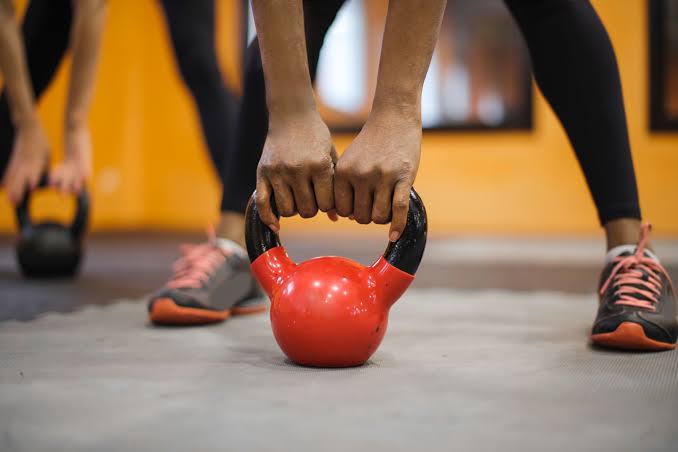
Strength training is one of the most practical ways to support muscle health. It challenges muscles to produce force, adapt, and remain functional. That can include weightlifting, resistance bands, bodyweight exercises, machines, loaded carries, squats, push-ups, rows, step-ups, and other forms of resistance work.
For beginners, strength training does not need to be complicated.
A basic routine might include exercises that train the legs, hips, back, chest, shoulders, core, and grip. The goal is not to destroy the body every session. The goal is to apply enough challenge that the body has a reason to adapt.
Consistency matters more than intensity at the beginning.
People who are older, injured, or new to exercise should start carefully and consider professional guidance. A well-designed routine should build strength without creating unnecessary pain or risk.
The best program is not the hardest program. It is the one someone can safely repeat.
Cardio Still Has a Place
Strength training is important, but it should not replace aerobic activity.
Walking, cycling, swimming, jogging, dancing, hiking, rowing, and other forms of cardio support the heart, lungs, circulation, endurance, and metabolic health. Aerobic exercise also helps many people manage stress and improve mood.
The best fitness approach usually includes both strength and cardio.
Strength training helps preserve muscle, bone density, balance, and functional ability. Cardio supports endurance, heart health, and daily energy. Mobility work, stretching, and balance training can also help people move more comfortably and reduce stiffness.
A complete fitness routine does not need to be extreme. It needs to be balanced.
For many adults, a realistic weekly plan might include regular walking, two or three strength sessions, and short mobility work. That kind of routine may not look dramatic on social media, but it can support long-term health.
The Problem With Waiting Too Long
One mistake many people make is waiting until they feel weak before they start training.
Muscle decline can happen gradually. People may not notice it at first. Stairs feel a little harder. A heavy bag feels heavier than it used to. Balance feels less steady. Getting up from the floor becomes more difficult. Small tasks begin to require more effort.
By the time the problem feels obvious, the decline may already be affecting daily life.
That does not mean it is too late. Exercise can still help at many ages and stages. But starting earlier gives the body more time to build and preserve strength.
This is why fitness should be viewed as maintenance, not punishment.
People brush their teeth before they have major dental problems. They change oil before a car breaks down. Strength and movement should be treated the same way. The goal is not to wait for decline. The goal is to protect function before it becomes harder to regain.
What This Means for Busy Adults
Busy adults often think fitness has to be all or nothing.
That mindset causes many people to quit before they start. They assume they need an hour at the gym, a perfect meal plan, expensive equipment, or a complete lifestyle overhaul.
The research on exercise and muscle aging points in a more encouraging direction. Regular movement matters. Using muscles matters. Staying consistent matters.
A busy adult can begin with simple choices. Walk more. Take the stairs when reasonable. Do a short strength routine two days per week. Add squats, wall push-ups, rows, or resistance-band work. Stand up during long sitting periods. Carry groceries with good posture. Build movement into daily life.
Small habits become powerful when repeated.
The body does not only respond to perfect workouts. It responds to patterns.
What This Means for Older Adults
For older adults, this research is especially important.
Aging does not mean people should avoid challenge. In fact, muscles need appropriate challenge to stay functional. The key word is appropriate.
Older adults may benefit from strength training, balance work, walking, mobility exercises, and carefully progressed routines. But the program should match the person’s health status, experience, medications, joint condition, and comfort level.
For some people, chair-based exercises may be a good start. For others, resistance bands or light weights may work well. Some may be ready for gym machines or supervised strength training.
The main message is that movement remains valuable.
The body may age, but it still adapts.
That is one of the most hopeful parts of fitness research.
Why Recovery Matters
Exercise challenges the body. Recovery allows the body to adapt.
Muscles need time, sleep, nutrition, hydration, and rest to rebuild. Older adults may need more recovery time than younger adults. Beginners may also need to start slowly to avoid soreness, frustration, or injury.
Recovery does not mean doing nothing forever. It means respecting the body’s need to repair.
A balanced fitness plan includes hard days, easier days, and rest days. It also includes enough protein, quality sleep, and attention to pain signals. Soreness can be normal, but sharp pain, dizziness, chest pain, or unusual symptoms should not be ignored.
Long-term fitness is not about punishing the body.
It is about training the body to stay capable.
Why This Story Matters for Students and Families
This research also matters for students and families.
Young people may think muscle aging is a distant problem, but habits build early. Students who learn that exercise protects long-term health may develop a healthier relationship with fitness. Instead of seeing exercise only as a way to change appearance, they can see it as a way to protect strength, energy, mood, and independence.
Families can also use this research as a conversation starter.
Fitness does not have to be about extreme routines. A family walk, a short strength session, active chores, sports, stretching, or outdoor play can all support healthier movement habits.
When children see adults treating exercise as normal maintenance, not punishment, they may carry that mindset into adulthood.
That is a powerful lesson.
Why This Story Matters for New To Education Readers
This story matters because New To Education focuses on learning that connects to real life.
Fitness research is not only for athletes or scientists. It affects teachers, parents, students, veterans, workers, caregivers, and older adults. Everyone needs a body that can carry them through daily life.
The Duke-NUS research gives readers a deeper reason to value exercise. Physical activity may help aging muscles clear damage, repair themselves, and stay healthier by influencing a molecular process involving DEAF1. That does not make exercise a cure-all, but it does show that movement is more powerful than many people realize.
For New To Education readers, the lesson is practical: fitness should not be reduced to looks or weight loss. Movement is part of long-term health, independence, and quality of life.
A stronger body can support a better life.
And the best time to start protecting that strength is before you think you need it.
Key Takeaways
New fitness research from Duke-NUS Medical School suggests exercise may help aging muscles stay healthier by lowering levels of a gene called DEAF1.
Higher DEAF1 activity in aging muscles appears to interfere with the body’s ability to clear damaged proteins. Exercise may help restore that cleanup process, allowing muscle cells to repair and function better.
The research does not mean exercise stops aging, but it gives scientists a clearer explanation for why active muscles often age better than inactive ones.
For everyday readers, the message is simple: regular physical activity, especially a balanced routine that includes strength training and cardio, may support healthier aging, better movement, and long-term independence.
FAQ
What did the new fitness research find?
Researchers at Duke-NUS Medical School identified a molecular process involving a gene called DEAF1 that may help explain why exercise protects aging muscles. Exercise appears to lower DEAF1 levels, which may help muscles clear damage and maintain better function.
Does exercise reverse aging?
No. Exercise does not stop or fully reverse aging. However, research suggests it can help protect muscle health, improve function, and slow some age-related decline.
What type of exercise is best for muscle aging?
A balanced routine is usually best. Strength training helps preserve muscle and function, while cardio supports heart health and endurance. Mobility and balance work can also be helpful, especially for older adults.
Is it too late to start exercising if someone is older?
For many people, it is not too late to benefit from movement. Older adults should start safely, progress gradually, and speak with a healthcare professional if they have medical conditions or concerns.
Why does muscle health matter?
Muscle health affects walking, balance, strength, independence, metabolism, fall risk, and quality of life. Preserving muscle is one of the most important parts of healthy aging.
Related Articles
Why Strength Training Should Be Part of Every Workout Routine
Sources
ScienceDaily — Scientists Discover Why Exercise Reverses Muscle Aging
Duke-NUS Medical School — Scientists Discover Why Exercise Reverses Muscle Aging
Nature Aging — Age-Related Molecular Changes That Are Exercise Independent
New To Education — Why Strength Training Should Be Part of Every Workout Routine