





Key Takeaways
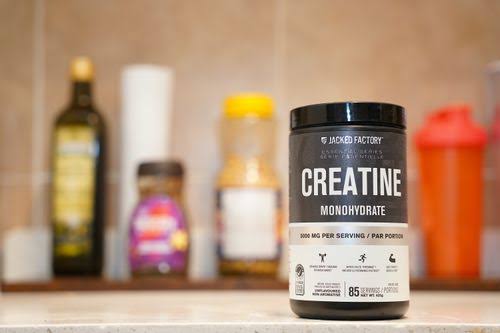
- A new review of clinical research suggests that creatine, a supplement commonly associated with strength training and sports performance, may also help reduce symptoms of major depressive disorder (MDD) when used alongside standard treatment.
- Researchers say creatine appears to support the brain's energy production, which may play a role in mood regulation.
- Experts emphasize that the evidence is still developing, and creatine should not replace prescribed mental health treatments.
- Larger clinical trials are needed before creatine can be recommended as a standard treatment for depression.
For decades, creatine has been one of the most popular supplements in gyms around the world.
Athletes and fitness enthusiasts have used it to support strength, power, and muscle recovery. But new research suggests creatine's benefits may extend far beyond physical performance.
A recently published review of clinical studies indicates that creatine may help improve symptoms of major depressive disorder when combined with traditional treatments such as therapy or antidepressant medication. While the findings are still considered preliminary, researchers believe the supplement's effect on the brain's energy system may explain its growing potential in mental health care.
Why Researchers Are Interested in Creatine
Every cell in the body requires energy to function including brain cells.
Creatine helps replenish adenosine triphosphate (ATP), the primary source of cellular energy. While this process has long been studied in muscles, scientists are increasingly investigating whether improving energy availability in the brain could influence mood, cognition, and mental health.
Some researchers believe that disrupted brain energy metabolism may contribute to depression in certain individuals. If that theory proves correct, creatine could become an inexpensive supplement that supports existing treatment plans rather than replacing them.
What the Research Found
The recent review examined multiple clinical studies involving people with depression.
Across several studies, participants who received creatine alongside conventional treatment often experienced greater improvements in depressive symptoms than those receiving standard treatment alone. Researchers cautioned that study sizes varied and that more high-quality trials are needed before firm conclusions can be reached.
Importantly, the research does not suggest that creatine is a cure for depression. Instead, it may become another tool that healthcare professionals can consider as evidence continues to grow.
More Than a Sports Supplement
The findings also reflect a broader trend in health research.
Scientists are increasingly exploring whether familiar nutritional supplements might have unexpected medical applications. Omega-3 fatty acids, vitamin D, probiotics, and creatine have all been studied for possible roles in supporting mental health alongside traditional therapies.
This growing interest highlights how nutrition, exercise, and brain health may be more closely connected than previously understood.
What Should People Do?
Although the findings are encouraging, experts recommend caution.
Anyone experiencing symptoms of depression should seek evaluation from a qualified healthcare professional rather than self-treating with supplements. Mental health conditions are complex, and treatment plans should be tailored to each individual's needs.
Creatine may eventually become part of those conversations, but current evidence supports its use only as a possible complement to not a replacement for established medical care.
Looking Ahead
Research into creatine and mental health is still evolving, but the latest findings offer an intriguing possibility.
A supplement once known almost exclusively for athletic performance may one day play a supporting role in treating depression. If future clinical trials confirm these early results, creatine could become another affordable option for healthcare providers seeking to improve patient outcomes.
For now, the study serves as a reminder that scientific discoveries often come from looking at familiar tools in entirely new ways.
Editorial Note
This article is intended for educational and informational purposes only. It summarizes recent health research and should not be considered medical advice. Individuals experiencing symptoms of depression should consult a qualified healthcare professional before making changes to their treatment plan or beginning any supplement regimen.
Related Articles
Interested in learning more? Continue exploring these articles from New To Education:
Mayo Clinic Develops AI Tool That May Detect Pancreatic Cancer Years Earlier
https://newtoeducation.com/view-blog/mayo-clinic-develops-ai-tool-that-may-detect-pancreatic-cancer-years-earlier-6a4267bde4c72
New Study Finds That Sitting for More Than 30 Minutes at a Time May Increase Cancer Risk
https://newtoeducation.com/view-blog/new-study-finds-that-sitting-for-more-than-30-minutes-at-a-time-may-increase-cancer-risk
Takeda Invests Up to $600 Million in AI-Powered Drug Discovery
https://newtoeducation.com/view-blog/takeda-invests-up-to-600-million-in-ai-powered-drug-discovery-6a428c7e3d5a1
Growing Careers in 2026: Why AI Consultants Are Becoming One of the Hottest Jobs in the Workforce
https://newtoeducation.com/view-blog/growing-careers-in-2026-why-ai-consultants-are-becoming-one-of-the-hottest-jobs-in-the-workforce
Enjoyed This Article?
Subscribe to the New To Education newsletter for more articles covering health, nutrition, mental wellness, medical research, fitness, and lifelong learning. We translate the latest scientific findings into practical, easy-to-understand insights for everyday readers.
Sources
- Healthline – Creatine Supplements May Help Treat Depression, Early Evidence Shows
- Medical News Today – Creatine May Help Ease Symptoms of Depression, Review Suggests




