

Digital nomadism is no longer just about finding cheap rent and decent Wi-Fi.
In 2026, the best places for digital nomads are the destinations that offer a full lifestyle package: reliable internet, manageable costs, legal visa options, safety, coworking spaces, community, healthcare access, and enough quality of life to make remote work feel sustainable.
The movement has matured. More than 50 countries now offer some form of digital nomad or remote-work visa, and newer trackers put that figure even higher depending on how broadly they define remote-work residence permits. Spain, Portugal, Malta, Germany, Hungary, Thailand, Croatia, Estonia, Mexico, and several Latin American countries continue to appear near the top of digital nomad visa comparisons.
But the best place is not the same for everyone.
A solo freelance designer may want low cost and community. A remote employee may need a stable time zone and legal clarity. A family may care more about schools, healthcare, and long-term housing. A business owner may prioritize tax structure and residency options.
So instead of chasing one “best” destination, the smarter question is: which destination fits the way you actually work and live?
Quick Snapshot: What Makes a Great Digital Nomad Destination?
| Factor | Why It Matters |
|---|---|
| Reliable internet | Remote work falls apart without stable connectivity. |
| Legal stay options | Tourist visas are not a long-term plan. |
| Cost of living | Cheap destinations are not always practical, but affordability still matters. |
| Coworking and community | Isolation is one of the biggest nomad lifestyle risks. |
| Safety and healthcare | Beautiful places lose their charm quickly if daily life feels unstable. |
| Time zone fit | A dream location can become miserable if every meeting happens at 2 a.m. |
| Housing availability | Popular nomad cities can become expensive fast. |
| Local impact | The best nomads avoid treating communities like temporary backdrops. |
1. Lisbon, Portugal: The Classic European Nomad Base
Lisbon remains one of the most recognizable digital nomad hubs in the world.
It offers strong infrastructure, a mild climate, a large international community, English-friendly services, beautiful neighborhoods, and access to the rest of Europe. Portugal’s remote-work visa options have also helped make the country a long-term base for many non-EU remote workers.
Lisbon works especially well for people who want a European lifestyle without moving to one of the most expensive cities on the continent. It has coworking spaces, startup energy, international meetups, and a strong café culture.
The downside is that Lisbon is no longer the affordable secret it once was. Housing costs have increased sharply, and local concerns about affordability and overtourism are real. Digital nomads moving to Lisbon should be thoughtful about where they live and how they contribute to the community.
Best for: Remote workers who want Europe, community, safety, and lifestyle.
Watch out for: Rising rents, crowded neighborhoods, and stronger competition for housing.
2. Valencia, Spain: Livable, Sunny, and More Balanced Than Barcelona
Spain has become one of the strongest digital nomad destinations in 2026, and Valencia is one of its most attractive cities.
Spain’s digital nomad visa ranks highly in several 2026 visa comparisons because of its legal pathway, lifestyle appeal, infrastructure, and longer-term potential. While Barcelona and Madrid remain popular, Valencia offers a more relaxed coastal lifestyle with a lower cost profile than Spain’s biggest cities.
Valencia has beaches, cycling infrastructure, strong public transport, coworking spaces, food culture, and a growing international community. It is big enough to be interesting but usually less overwhelming than Barcelona.
For nomads who want Spain without maximum tourist pressure, Valencia is one of the smartest choices.
Best for: Remote employees, freelancers, couples, and slow nomads.
Watch out for: Growing popularity, visa paperwork, and summer tourism pressure.
3. Chiang Mai, Thailand: Still a Digital Nomad Legend
Chiang Mai has been a digital nomad favorite for years, and it still deserves a place on the list.
The city offers low living costs, strong café culture, coworking spaces, good internet, friendly locals, mountain scenery, and a large remote-work community. For new digital nomads, Chiang Mai remains one of the easiest places to land, meet people, and build a routine.
Thailand’s Destination Thailand Visa has also made the country more attractive for remote workers who want a longer-term stay. The visa allows multiple entries over five years, with stays of up to 180 days at a time, which gives nomads more structure than the old model of constant short-term visa runs.
Chiang Mai is not perfect. Air quality can be a serious issue during burning season, and the city’s popularity means some areas feel very nomad-heavy. Still, for affordability and community, it remains one of the strongest options in Asia.
Best for: First-time nomads, freelancers, budget-conscious remote workers, and community seekers.
Watch out for: Seasonal air pollution, visa rules, and the temptation to live entirely inside the expat bubble.
4. Da Nang, Vietnam: The Rising Coastal Hub
Da Nang is one of the most talked-about emerging digital nomad destinations in Southeast Asia.
It offers beaches, modern apartments, fast-growing coworking options, good food, a lower cost of living than many established hubs, and a more relaxed lifestyle than Ho Chi Minh City or Hanoi. The city has also gained attention through nomad events and a growing remote-work scene.
Da Nang is especially appealing for people who want a coastal lifestyle without paying European or North American prices. It is becoming a favorite among remote workers who want Asia, affordability, and a better work-life balance.
The main drawback is visa complexity. Vietnam does not have the same kind of dedicated long-term digital nomad visa that some competitors offer. That means remote workers need to plan carefully and avoid assuming that a tourist-style stay is enough for long-term living.
Best for: Budget-conscious nomads, Asia-based remote workers, beach lovers, and slow travelers.
Watch out for: Visa limitations, rising rents in popular areas, and rainy-season planning.
5. Medellín, Colombia: Community, Climate, and Affordability
Medellín remains one of Latin America’s most popular digital nomad cities.
Its appeal is easy to understand: mild weather, mountain views, a strong café and coworking scene, relatively affordable living costs, and a large international community. Colombia also offers a digital nomad visa, making it easier for remote workers to stay legally than in countries without a formal pathway.
Medellín is especially popular with U.S. remote workers because the time zone is convenient. For people with North American clients or employers, that can be a major advantage over Asia or Europe.
However, Medellín also comes with real concerns. Safety varies by neighborhood and situation, and the rapid growth of tourism and remote workers has contributed to housing pressure in some areas. Nomads should research carefully, respect local communities, and avoid treating the city like a playground.
Best for: U.S.-based remote workers, freelancers, Spanish learners, and people who want strong community.
Watch out for: Safety awareness, gentrification concerns, and neighborhood-by-neighborhood differences.
6. Mexico City, Mexico: Big-City Energy With Remote-Work Convenience
Mexico City is one of the best choices for digital nomads who want culture, food, creativity, and big-city energy.
It has excellent restaurants, museums, parks, neighborhoods with strong café culture, international flights, coworking spaces, and a large remote-work community. For U.S. and Canadian workers, the time zone is also convenient.
Mexico’s temporary resident visa can be useful for longer stays, although requirements vary by consulate and personal situation. Many remote workers also appreciate Mexico City because it offers the feeling of a global city at a lower cost than New York, London, or San Francisco.
That said, Mexico City has become much more expensive in popular neighborhoods such as Roma, Condesa, and Polanco. Local concerns about rent increases and foreign-income pressure are very real.
Best for: Creatives, entrepreneurs, remote employees, food lovers, and North America-based workers.
Watch out for: Rising rent, altitude, air quality, and responsible neighborhood choice.
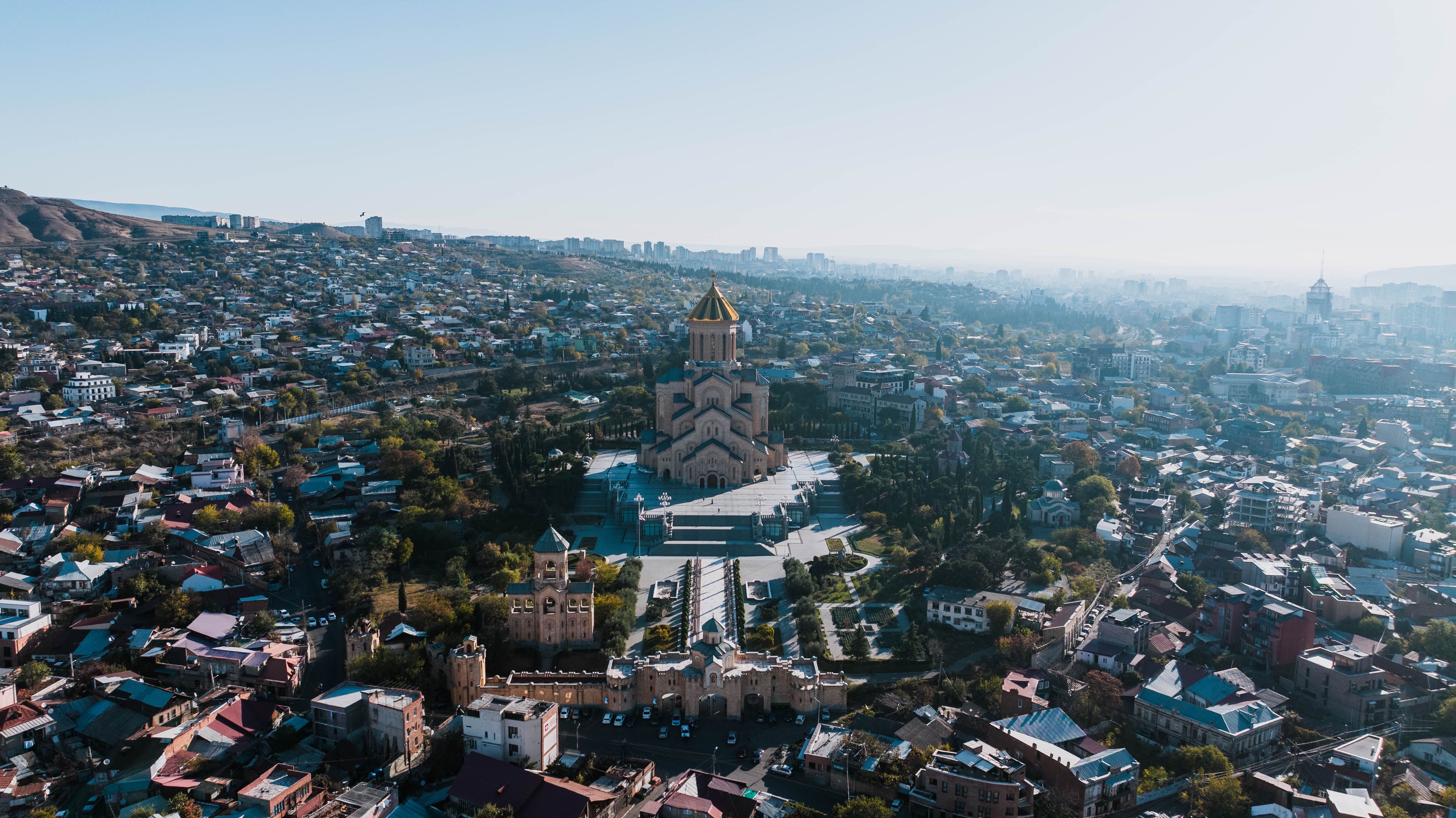
7. Tbilisi, Georgia: Flexible, Affordable, and Underrated
Tbilisi has become a favorite among digital nomads who want affordability, personality, and a less obvious destination.
Georgia has historically offered generous stay options for many nationalities, and Tbilisi combines low living costs, distinctive architecture, strong food culture, coworking spaces, and a growing international community.
It is not as polished as Lisbon or Valencia, and that is part of the appeal for some nomads. Tbilisi feels more independent, creative, and slightly rough around the edges.
The drawbacks include political uncertainty, language barriers, and infrastructure that can feel uneven compared with Western Europe or East Asia. Still, for adventurous nomads who want value and character, Tbilisi remains a strong option.
Best for: Independent freelancers, budget-conscious nomads, writers, creatives, and adventurous slow travelers.
Watch out for: Political conditions, winter weather, and uneven infrastructure.
8. Tallinn, Estonia: Digital Infrastructure Done Right
Tallinn is one of the best digital nomad destinations for people who care about systems.
Estonia has been a leader in digital government, e-residency, and remote-friendly administration. Its digital nomad visa and business-friendly systems make it especially attractive to entrepreneurs, solo founders, and remote workers who want a serious tech environment.
Tallinn offers strong internet, safety, European access, a clean urban environment, and a growing startup scene. It is smaller and quieter than many major nomad hubs, but that can be a benefit for people who want focus.
The main downside is climate. Winters are long and dark, and the cost of living is not as low as it used to be.
Best for: Tech workers, founders, focused remote workers, and people who value digital infrastructure.
Watch out for: Winter darkness, higher costs than expected, and a quieter social scene.
9. Tokyo, Japan: High Quality of Life for High-Discipline Nomads
Tokyo is not the cheapest digital nomad destination, but it may be one of the most rewarding for remote workers who value safety, infrastructure, food, transportation, and daily convenience.
Japan launched a digital nomad visa in 2024, giving eligible remote workers from approved countries a clearer way to stay for up to six months. That makes Japan more accessible for nomads who previously had limited long-stay options.
Tokyo offers world-class public transport, excellent food at many price points, reliable internet, safety, culture, and endless neighborhoods to explore. It is especially attractive for remote workers who want structure and inspiration rather than a beach lifestyle.
The downsides are cost, language barriers, and visa limits. Tokyo also works best for people whose work schedule fits Asian time zones or who have flexibility.
Best for: Remote workers who value safety, culture, transport, and high-functioning urban life.
Watch out for: Cost, language barriers, and time-zone challenges for U.S.-based work.
10. Cape Town, South Africa: Nature, Creativity, and Big Lifestyle Appeal
Cape Town is one of the most beautiful cities on the digital nomad map.
It offers mountains, beaches, wine country, creative industries, coworking spaces, and a strong lifestyle appeal. For remote workers who want outdoor adventure without giving up city life, Cape Town is hard to beat.
South Africa has also moved toward attracting remote workers through visa reforms, although nomads should carefully check the latest requirements before planning a long stay.
Cape Town’s challenges are also serious. Safety varies widely, power reliability has historically been an issue, and daily logistics require more awareness than in some destinations. Still, for experienced nomads, it can be an extraordinary base.
Best for: Creative professionals, entrepreneurs, outdoor lovers, and experienced nomads.
Watch out for: Safety, power reliability, transport, and neighborhood selection.
11. Madeira, Portugal: Island Life With Nomad Infrastructure
Madeira deserves special mention because it is not just another pretty island.
Portugal’s Madeira region has actively welcomed digital nomads, especially through the well-known Digital Nomad Village initiative in Ponta do Sol. The island offers beautiful landscapes, hiking, ocean views, good internet infrastructure in key areas, and access to Portugal’s broader visa ecosystem.
Madeira works well for people who want a quieter, nature-focused lifestyle without fully disconnecting from Europe.
The challenge is that island life can feel small after a while. Flights, housing availability, and social options may be more limited than in a mainland city.
Best for: Slow nomads, nature lovers, writers, remote employees, and people who want calm.
Watch out for: Island fever, housing supply, and limited big-city energy.
12. Budapest, Hungary: Good Value in the Middle of Europe
Budapest remains one of Europe’s better-value cities for digital nomads.
It offers beautiful architecture, thermal baths, nightlife, coworking spaces, solid public transport, and a lower cost profile than many Western European capitals. Hungary’s “White Card” residence permit has also made the country more visible in digital nomad visa discussions.
Budapest is especially appealing for nomads who want a European base but do not want Lisbon, Barcelona, or Amsterdam prices.
The downsides include bureaucracy, language barriers, winter weather, and political concerns that some remote workers may want to consider.
Best for: Europe-based nomads, budget-conscious remote workers, and people who want city life at better value.
Watch out for: Bureaucracy, winter, and local language barriers.
Best Places by Nomad Type
| Nomad Type | Best Fit Destinations |
| First-time digital nomad | Chiang Mai, Lisbon, Valencia |
| Budget-focused nomad | Da Nang, Tbilisi, Chiang Mai |
| U.S.-time-zone worker | Mexico City, Medellín |
| Europe-focused remote worker | Valencia, Lisbon, Budapest, Tallinn |
| Tech founder or entrepreneur | Tallinn, Lisbon, Tokyo |
| Nature-focused slow nomad | Madeira, Cape Town, Da Nang |
| Family or long-stay planner | Valencia, Lisbon, Tokyo, Madeira |
| Creative professional | Mexico City, Cape Town, Medellín |
| Safety-focused urban nomad | Tokyo, Tallinn, Valencia |
| Community seeker | Chiang Mai, Lisbon, Medellín, Mexico City |
What to Check Before Choosing a Destination
Before choosing a digital nomad base, remote workers should check the practical details, not just the Instagram version.
Important questions include:
- Can I legally stay there long enough?
- Does the country offer a digital nomad visa or remote-work pathway?
- What income level is required?
- Will I become a tax resident after a certain number of days?
- Is health insurance required?
- Does my employer allow international remote work?
- Is the time zone workable for my job?
- Are rentals affordable and available?
- Is the internet reliable outside tourist neighborhoods?
- Is there a real community, or just short-term visitors?
- How will my presence affect local housing and local residents?
That last question matters more than many nomads want to admit. The best destinations are not just the ones that serve remote workers well. They are the ones where remote workers can live responsibly.
Final Takeaway
The best digital nomad destinations in 2026 are not simply the cheapest or the trendiest.
They are the places where remote workers can legally stay, work reliably, live safely, build community, and maintain a healthy routine.
For most nomads, the strongest options fall into a few clear categories:
- Best classic hub: Lisbon
- Best balanced European city: Valencia
- Best beginner-friendly destination: Chiang Mai
- Best rising Southeast Asian hub: Da Nang
- Best U.S.-time-zone community: Medellín
- Best big-city culture: Mexico City
- Best tech infrastructure: Tallinn
- Best high-quality urban experience: Tokyo
- Best nature-and-city mix: Cape Town
- Best slow island base: Madeira
The digital nomad lifestyle is still full of freedom, but the smartest nomads are choosing destinations with more intention.
The question is no longer, “Where can I take my laptop?”
The better question is, “Where can I build a life that actually works?”
Sources
- Immigrant Invest 2026 Digital Nomad Visa Index: https://immigrantinvest.com/reports/digital-nomad-visa-index-2026/
- Global Citizen Solutions Digital Nomad Visa Guide 2026: https://www.globalcitizensolutions.com/digital-nomad-visa/
- Taxes for Expats Digital Nomad Visa Countries 2026 Guide: https://www.taxesforexpats.com/articles/immigration/digital-nomad-visa-countries.html
- Orbis Tracker Digital Nomad Visa Countries 2026: https://orbistracker.com/digital-nomad-visas/
- Job4Travelers Digital Nomad Visa Tracker 2026: https://job4travelers.com/en/digital-nomad-visa-tracker-2026
- WhereNext Best Cities for Digital Nomads 2026: https://getwherenext.com/blog/best-cities-digital-nomads-2026
- Where to Nomad Best Cities for Digital Nomads 2026: https://wheretonomad.com/blog/best-cities-for-digital-nomads-2026/
- Digital Nomad Pack Top Digital Nomad Destinations 2026: https://digitalnomadpack.com/top-digital-nomad-destinations-in-2026/
- Business Insider report on Da Nang as an emerging digital nomad hub: https://www.businessinsider.com/da-nang-vietnam-asia-new-digital-nomad-hub-fastest-growing-2026-2
- Condé Nast Traveler report on Sri Lanka’s digital nomad visa: https://www.cntraveler.com/story/sri-lanka-just-launched-a-new-digital-nomad-visa
- Economic Times report on Spain’s Digital Nomad Visa in 2026: https://m.economictimes.com/nri/migrate/from-bengaluru-to-barcelona-why-indians-are-flocking-to-spains-digital-nomad-visa-in-2026/articleshow/128709561.cms
- The Times report on Thailand and the Destination Thailand Visa: https://www.thetimes.com/life-style/property-home/article/make-your-move-from-the-uk-to-thailand-36xhdjr65