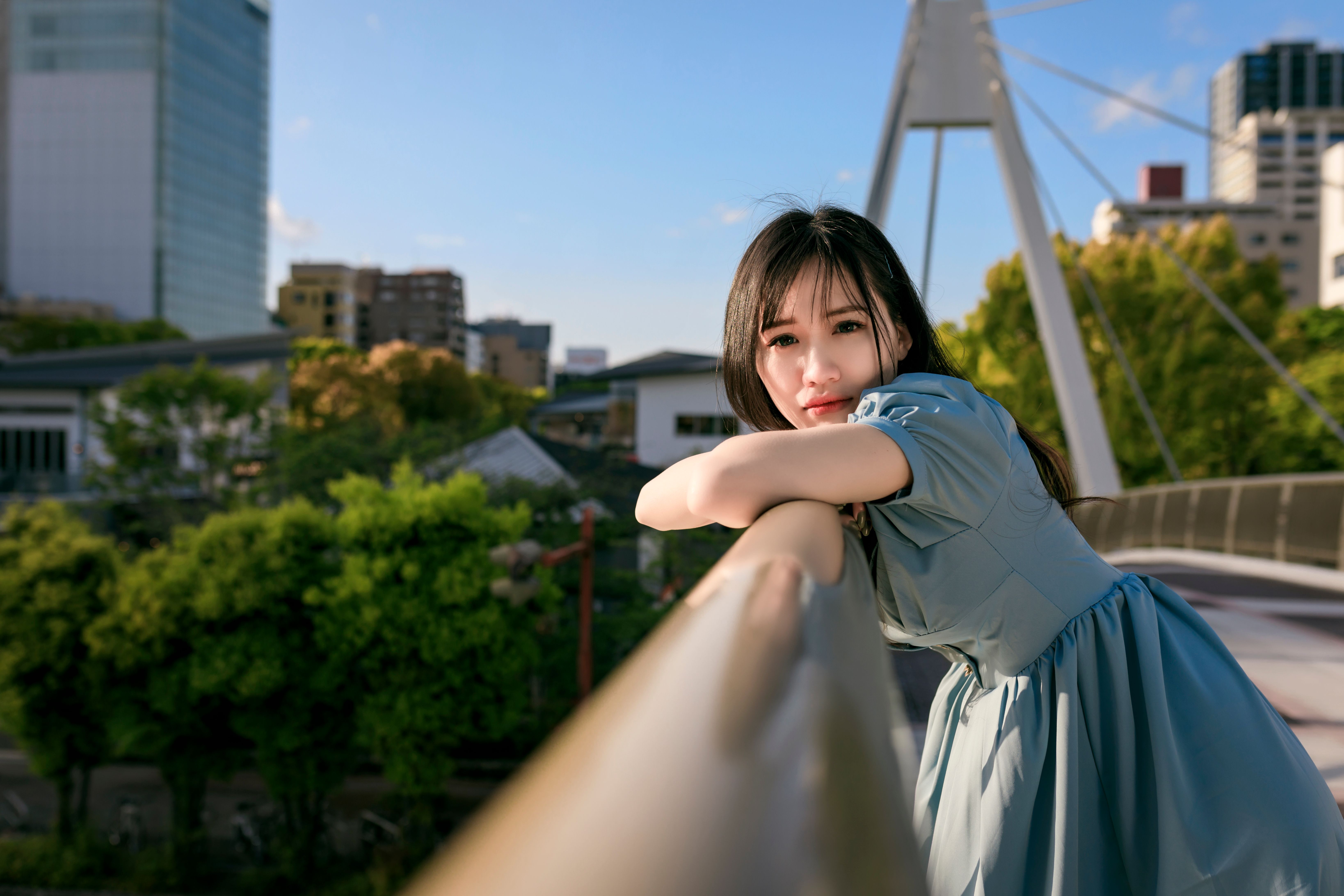




A 2026 survey suggests that fewer unmarried people in Japan are interested in dating or marriage. Financial pressure, limited opportunities to meet, changing gender expectations, digital entertainment, and satisfaction with single life may all be part of the shift.
Editorial Note
This article discusses surveys and research concerning dating, marriage, and single life in Japan. These findings describe broad social patterns and should not be used to make assumptions about any individual Japanese person.
People may remain single for many reasons, including personal choice, financial circumstances, health, family responsibilities, sexual orientation, work demands, previous relationship experiences, or simply not having met a compatible partner. Choosing not to date or marry should not automatically be treated as a personal failure or social problem.
A Growing Number of Singles Are Stepping Away From Romance
Dating in Japan is often discussed as though millions of single people are desperately searching for partners but cannot find them.
The reality appears more complicated.
A 2026 survey from the Meiji Yasuda Research Institute found that 76.3% of unmarried respondents did not currently have a romantic partner. That was higher than the 72.0% reported in the institute’s previous 2023 survey.
The percentage of unmarried respondents who said they were interested in romance or dating also fell sharply, from 59.9% in 2023 to 49.5% in 2026.
Marriage interest declined as well. Only 36.8% of unmarried respondents said they wanted to marry, compared with 47.3% in the previous survey.
Those numbers do not mean that romance is disappearing from Japan. They do suggest that a growing share of unmarried adults may no longer see dating or marriage as an urgent goal.
For some people, this may reflect disappointment or lack of opportunity. For others, remaining single may genuinely feel more comfortable, practical, or fulfilling.
The Story Is Not Simply That Japanese People No Longer Want Love
It would be easy to look at the survey and conclude that Japanese singles have lost interest in emotional connection.
That would be too simplistic.
Many people still want companionship, affection, intimacy, and someone with whom they can share their lives. The same 2026 survey found that among unmarried people who wanted to marry, common reasons included wanting to live with someone they loved and wanting a person with whom they could support one another.
A separate survey of young people turning 20 also produced a more hopeful picture. Many respondents said they were actively looking for a partner, and a large majority expressed a desire to marry eventually.
The difference between these surveys is important. A 20-year-old imagining a future marriage may answer differently from someone in their thirties or forties who has experienced difficult relationships, financial pressure, dating-app exhaustion, or years of demanding work.
People may like the idea of love while feeling less enthusiastic about the process of dating.
They may want companionship but not the traditional responsibilities attached to marriage.
They may also want a relationship someday without wanting to search for one right now.
Dating Can Feel Like Another Expensive Responsibility
Money is difficult to separate from modern relationships.
Dating can involve transportation, restaurants, entertainment, clothing, gifts, and the pressure to present an attractive lifestyle. Even a simple evening out can become expensive when both people live far apart or work in different parts of a city.
The 2026 survey found that younger respondents were particularly likely to feel that inflation had increased the financial burden of dating.
That does not mean people only date when they are wealthy. Many healthy relationships are built through inexpensive activities, shared meals, walks, local events, and time at home.
The problem is often the expectation surrounding dating.
Some men may still feel pressure to pay most or all of the cost, even as wages and job security remain uncertain. Some women may worry that marriage will bring additional unpaid household labor or reduce their career options.
When dating appears to be the beginning of a long chain of financial expectations, remaining single can feel safer.
Uncertain Employment Can Delay Relationships
A person does not need a perfect career before entering a relationship, but employment insecurity can affect confidence and future planning.
Someone working on a short-term contract, earning a low wage, or facing unpredictable hours may hesitate to spend money on dating. They may also feel unprepared to discuss marriage, housing, or children.
Research on marriage in Japan has repeatedly connected employment stability with the likelihood of marrying. The relationship is especially complicated for men who feel expected to demonstrate financial security before being considered a serious marriage partner.
Women face a different set of concerns. A relationship may eventually bring expectations involving pregnancy, childcare, career interruption, elder care, and housework. Even when both partners work full-time, domestic responsibilities may not be divided equally.
Dating is therefore not always judged only by whether the other person is attractive or enjoyable to be around. People may also be quietly asking what kind of life the relationship would create.
The Housework Question Begins Before Marriage
One of the most revealing findings in the 2026 survey involved housework and childcare.
Both men and women generally described an equal division as the ideal. Their perceptions of what happens in real life were much less equal.
Among respondents describing workdays, 58.6% of men believed they performed at least half of the household and childcare work. Among women, 95.0% believed that they themselves performed at least half.
Both perceptions cannot fully describe the same households.
The gap suggests that men and women may define contribution differently or may not notice the same forms of labor. Cooking and cleaning are visible, but planning meals, remembering appointments, arranging childcare, buying household supplies, and monitoring family needs can be easier to overlook.
For some single women, marriage may not appear to offer relief from adult responsibilities. It may appear to add more of them.
That does not mean Japanese marriages are universally unequal. It does mean that anyone hoping to build a relationship should be prepared to discuss household expectations honestly rather than assuming love will resolve them automatically.
Freedom Has Become More Valuable
The 2026 survey found different leading reasons among men and women who did not want to marry.
Women were especially likely to say that they did not feel marriage was necessary. Men were more likely to worry about losing money they could currently use freely.
These answers point toward a broader change in how single life is understood.
Being unmarried once carried a heavier social stigma, particularly for women. Marriage was closely connected to adult identity, financial security, family expectations, and social respectability.
Those pressures have not disappeared, but single adults now have more ways to build meaningful lives outside marriage.
They can live independently, travel, develop careers, maintain friendships, pursue hobbies, care for pets, participate in online communities, and spend their income according to their own priorities.
A relationship must now compete not only with loneliness but also with the comfort and freedom of single life.
That is a tougher contest than many dating discussions acknowledge.
Digital Entertainment Makes Solitude Less Empty
Modern single life can be emotionally and socially full.
Streaming services, games, online communities, social media, virtual personalities, fan culture, and constant communication make it possible to spend an evening alone without feeling completely disconnected.
The 2026 survey found that fan activities, virtual romance, and simulated relationships were especially familiar among younger respondents. Most participants still said they could distinguish these experiences from real-life romance, so it would be unfair to claim that fictional or virtual relationships are simply replacing human connection.
However, digital life may reduce the pressure to seek a traditional partner.
A person who receives entertainment, belonging, emotional stimulation, and community online may feel less motivated to tolerate awkward introductions, disappointing dates, rejection, or the demands of a serious relationship.
This does not make digital interests unhealthy. It simply changes the alternatives available to single people.
Dating Apps Can Create Access and Exhaustion at the Same Time
Dating apps have made it easier for people to encounter potential partners beyond their workplace, school, or immediate social circle.
The 2026 survey found that matching apps were particularly important among people aged 25 to 34. Around three in ten respondents in those age groups identified them as a possible way to meet a partner.
Apps can be valuable, especially for people with limited social opportunities. They can also become tiring.
Users may experience repetitive introductions, conversations that disappear, misleading profiles, slow responses, ghosting, harassment, or matches that never turn into actual meetings.
The process can begin to resemble administrative work: review profiles, send messages, coordinate schedules, repeat the same introductory conversation, and hope that the person is sincere.
When the emotional reward remains uncertain, people may decide that the effort is not worthwhile.
Many Singles Still Struggle to Meet People Naturally
Japan’s work and social structures do not always create easy opportunities for new relationships.
Long working hours, commuting, remote work, relocation, small social circles, and declining participation in workplace gatherings can reduce the number of natural introductions.
Earlier national survey findings showed that many unmarried adults aged 25 to 34 felt they lacked opportunities to meet potential partners. A large share also said they were not actively using introductions or matchmaking efforts to expand those opportunities.
This may sound contradictory. Someone can want a relationship while doing very little to find one.
The explanation may be that searching itself feels uncomfortable, expensive, risky, or exhausting. Some people hope to meet someone naturally through work, friends, or shared activities but rarely enter situations where that can happen.
Government-sponsored dating services may help with access, but they cannot manufacture attraction, trust, confidence, or emotional readiness.
The Pandemic May Have Changed Dating Habits More Than Expected
Recent Japanese research has examined the persistent decline in dating and marriage following the COVID-19 pandemic.
The pandemic interrupted social gatherings, workplace interactions, introductions, travel, and nightlife. Dating became harder, but something else also happened: many people became accustomed to spending more time alone.
Habits can survive after the emergency that created them has ended.
Someone who once met friends after work may now go home. A person who postponed dating for a year may not feel urgency to restart. Remote work may remove opportunities to form relationships with colleagues or people encountered during a commute.
The pandemic did not create every problem facing Japanese relationships, but it may have accelerated patterns that were already developing.
Fear of Rejection Can Make Avoidance Feel Rational
Dating requires vulnerability.
A person has to show interest without knowing whether the feeling is mutual. They may need to risk embarrassment, rejection, disappointment, or misunderstanding.
Indirect communication can make this more difficult. Someone may be unsure whether an invitation was romantic, friendly, or merely polite. A softened refusal may leave enough ambiguity that the person continues hoping.
Social media can add another layer. People may compare their appearance, income, lifestyle, and romantic success with carefully edited versions of other people’s lives.
Avoiding dating protects a person from rejection, at least temporarily.
The cost is that it also removes the possibility of connection.
This is why declining interest in dating should not always be treated as a calm personal preference. For some people, it may reflect anxiety, discouragement, low self-confidence, or the belief that they will not be chosen.
Loneliness and Dating Interest Are Not the Same Thing
A person can be single without feeling lonely, and lonely without being single.
Japan has devoted increasing public attention to loneliness and social isolation. Government surveys show that living alone, bereavement, job changes, retirement, and other life transitions can contribute to loneliness.
Romantic relationships may provide companionship, but they are not the only answer.
Friendships, family connections, community activities, meaningful work, hobbies, religious organizations, volunteer groups, and neighborhood relationships can also provide belonging.
Pressuring lonely people to date may create the impression that their life is incomplete until they find a partner.
A better approach is to help people build several forms of human connection. A romantic relationship can then become part of a meaningful life rather than the sole solution to isolation.
Marriage May Feel Like a Larger Decision Than It Once Did
The expectations surrounding marriage have changed.
People may now expect a spouse to provide emotional intimacy, friendship, sexual compatibility, financial cooperation, equal parenting, shared housework, personal growth, and long-term security.
Those expectations are understandable, but they make partner selection more complicated.
Marriage may also involve difficult decisions about careers, surnames, where to live, whether to have children, relationships with parents, and care for aging relatives.
Some single people may not reject love. They may reject entering a structure that appears difficult to leave or unfair in practice.
Interestingly, the 2026 survey found that unmarried people who entered a relationship were somewhat more likely than before to imagine that relationship leading to marriage. This suggests that interest may be becoming more selective rather than disappearing completely.
Fewer people may want to date casually, while those who do enter relationships may take them more seriously.
Public Policy Cannot Solve a Private Decision by Itself
Japanese national and local governments have introduced matchmaking events, counseling, dating platforms, and other programs intended to help people meet.
These services may help people who genuinely want relationships but lack opportunities.
They cannot solve the deeper reasons people hesitate.
A dating app does not correct wage insecurity. A matchmaking event does not guarantee fair household labor. A marriage campaign does not create affordable housing, flexible work, childcare access, or emotionally compatible partners.
Public policy can remove barriers, but it should not treat unmarried adults as demographic tools.
Marriage and parenthood must remain voluntary choices based on individual values and circumstances.
What Could Make Dating Feel Worthwhile Again?
Telling people to lower their standards or try harder is unlikely to reverse the trend.
Dating becomes more appealing when it feels emotionally safe, financially manageable, and compatible with the rest of life.
Workplaces can support reasonable hours and flexible schedules. Communities can create social events that are not built entirely around formal matchmaking. Dating platforms can improve safety, identity verification, and accountability.
Individuals also have a role.
They can make invitations clear, communicate respectfully, accept rejection without hostility, and avoid treating every date as an audition for marriage.
People considering serious relationships should discuss money, careers, housework, children, family expectations, and personal freedom before resentment develops.
A relationship becomes more attractive when it looks like a partnership rather than an additional burden.
Key Takeaways
A 2026 survey found that 76.3% of unmarried respondents in Japan had no current partner, while interest in romance and marriage had declined since the institute’s 2023 survey.
The findings do not mean that Japanese people have stopped wanting love. Many may still value companionship while feeling less enthusiastic about dating, traditional marriage, or the responsibilities they associate with both.
Financial pressure, uncertain employment, limited opportunities to meet, dating-app exhaustion, unequal household expectations, fear of rejection, and satisfaction with single life may all contribute.
Different surveys produce different results, especially across age groups. Many younger adults still express interest in finding partners and marrying someday.
The larger shift may be that relationships are no longer viewed as automatically necessary. For dating to feel worthwhile, it must offer trust, fairness, companionship, and a life that feels better than remaining single.
Frequently Asked Questions
Are most single people in Japan uninterested in dating?
No. The 2026 survey found that 49.5% of unmarried respondents were interested in romance or dating. Interest had fallen, but it had not disappeared.
Does having no partner mean someone does not want one?
No. A person may want a relationship but lack opportunities, confidence, time, money, or a compatible match.
Are young Japanese adults giving up on marriage?
Some surveys show declining marriage interest, while others find that many young adults still hope to marry. Results vary according to age, wording, sample size, and life stage.
Are dating apps popular in Japan?
Yes, particularly among adults in their late twenties and early thirties. However, introductions through friends and workplace connections also remain important.
Is the cost of dating a significant concern?
It can be. Younger survey respondents were especially likely to report that inflation had increased the financial burden of dating.
Is digital entertainment replacing relationships?
There is not enough evidence to make that broad claim. Digital activities can make single life more enjoyable, but most survey respondents said they could distinguish virtual or fan-based experiences from real-life romance.
Can government matchmaking programs increase marriage?
They may help some people meet, but they cannot resolve every barrier involving work, finances, gender expectations, compatibility, or personal choice.
Support New To Education
New To Education creates educational, cultural, relationship, travel, health, career, and community-focused content designed to make useful information easier to understand.
Readers can support our work by sharing this article, exploring our educational services, booking with one of our tutors, joining the New To Education community, or contributing through the support options available on our website.
Every visit, share, booking, and contribution helps us continue producing accessible resources for educators, students, families, professionals, and communities.
Related Articles
Dating in Japan: What to Expect on a First Date and How to Build a Genuine Connection
International Relationships in Japan: Love Across Language and Cultural Expectations
Final Thoughts
Japan’s changing relationship culture is sometimes described as a crisis of people refusing to fall in love.
That framing misses what may actually be happening.
Many single adults are evaluating relationships more carefully. They are comparing the possible benefits of companionship with the costs of dating, the expectations of marriage, and the freedom they currently enjoy.
For some, the answer is still love, marriage, and family.
For others, the answer is not now, not under the current conditions, or perhaps not at all.
The challenge is not to convince every single person that they need a partner. It is to create a society where people who want relationships have the time, security, confidence, and opportunities to build them.
Romance cannot be forced through policy or social pressure.
It becomes possible when two people believe that sharing a life will expand their freedom, support their growth, and make the future feel less difficult not more.
Sources
Meiji Yasuda Research Institute — 2026 Survey on Love and Marriage
https://www.myri.co.jp/research/report/2026_01.php
National Institute of Population and Social Security Research — The 16th Japanese National Fertility Survey
https://www.ipss.go.jp/ps-doukou/e/doukou16/Nfs16_gaiyoEng.html
University of Tokyo Center for Advanced Research in Finance — Dating and Marriage During the COVID-19 Pandemic: Evidence from Japan
https://www.carf.e.u-tokyo.ac.jp/research/f609/
Cabinet Office of Japan — National Survey on Loneliness and Social Isolation
https://www.cao.go.jp/kodoku_koritsu/torikumi/zenkokuchousa.html
Nippon.com — Survey Finds More Young Japanese Looking for Love and Marriage