





Key Takeaways
One of the most fascinating technology stories this week isn't about a new smartphone or another artificial intelligence chatbot. Instead, it's about robotic hands.
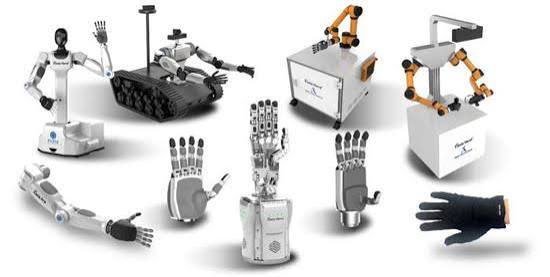
China is rapidly investing in the development of highly dexterous robotic hands one of the most difficult engineering challenges in robotics. Companies such as LinkerBot and Wuji Technology are developing robotic hands capable of performing delicate tasks like handling fragile objects, using tools, and eventually assisting people in homes, hospitals, and factories. Experts say solving this problem could unlock the next generation of practical humanoid robots.
Why Robotic Hands Are So Difficult to Build
Humanoid robots have become significantly more advanced over the past few years. Many can already walk, climb stairs, carry objects, and even perform simple conversations using artificial intelligence.
But there has always been one major obstacle.
The human hand.
Our hands contain dozens of bones, joints, muscles, tendons, and nerves that work together with incredible precision. Something as simple as tying a shoelace, buttoning a shirt, or cracking an egg requires countless tiny movements that most people perform without even thinking.
Replicating that level of dexterity in a robot has proven to be one of the hardest problems in engineering. While robots have become better at moving through space, they still struggle with the fine motor skills that humans take for granted.
China Is Betting Big on "Embodied AI"
China believes solving that challenge could transform entire industries.
The country's government has made "embodied AI" artificial intelligence that operates inside physical robots a national priority. Rather than focusing only on software, Chinese companies are investing heavily in robots that can interact with the physical world.
Several startups are leading that effort.
LinkerBot, founded in 2023, is already producing approximately 5,000 robotic hands each month, with plans to double production as demand grows. Another company, Wuji Technology, is developing advanced sensor-equipped gloves that capture human movement and touch. These wearable devices allow researchers to collect data that teaches robots how people naturally grasp, twist, squeeze, and manipulate everyday objects.
Teaching Robots to Feel
Building the hardware is only part of the challenge.
The much harder problem is teaching robots how to use their hands intelligently.
Engineers are using artificial intelligence alongside wearable sensor gloves to record thousands of human hand movements. Every grip, twist, pinch, and finger movement creates valuable data that AI systems can analyze and learn from.
Over time, researchers hope robots will develop the ability to perform increasingly complex tasks without requiring engineers to manually program every movement.
Imagine a robot folding laundry, preparing simple meals, stocking store shelves, assisting elderly individuals, or safely handling delicate medical equipment.
Those applications become much more realistic once robots can manipulate objects with the same confidence as humans.
Why This Technology Matters
While humanoid robots often make headlines because of their appearance, their true value lies in what they can actually do.
More capable robotic hands could dramatically expand the roles robots play across society.
Manufacturing facilities could automate more complex assembly work.
Hospitals could eventually use robotic assistants to handle delicate instruments.
Warehouses could improve efficiency by allowing robots to safely pick up irregularly shaped products.
Advanced prosthetic hands could also become more affordable and responsive, improving quality of life for people living with limb loss.
In many countries facing aging populations and labor shortages, robots capable of safely performing physical tasks may become an increasingly important part of the workforce.
Looking Ahead
The race to build better robotic hands may not receive as much attention as breakthroughs in generative AI, but it could have an equally profound impact on everyday life.
Artificial intelligence has already changed how we create content, search for information, and solve problems. The next frontier is giving that intelligence a physical form capable of interacting with the world around us.
If researchers succeed, tomorrow's robots may not simply answer questions or generate text.
They may help build our homes, assist surgeons, care for older adults, support disaster response teams, and perform dangerous jobs that protect human workers.
Sometimes the biggest technological breakthroughs aren't about making computers smarter.
They're about helping machines interact with the world as naturally as we do.
Editorial Note
This article is intended for educational and informational purposes only. It summarizes recent reporting on advances in robotics and artificial intelligence. Timelines for commercial deployment remain uncertain, and many of these technologies are still under active development.
Related Articles
Interested in learning more? Continue exploring these articles from New To Education:
The Pentagon Partners with Eight Leading AI Companies to Accelerate Military Innovation
https://www.newtoeducation.com/view-blog/the-pentagon-partners-with-eight-leading-ai-companies-to-accelerate-military-innovation-6a48f2d63b5b4
Aave's New Monad Market Tops $100 Million in Deposits Just Days After Launch
https://www.newtoeducation.com/view-blog/aaves-new-monad-market-tops-100-million-in-deposits-just-days-after-launch-6a48bfe2d3b61
Enjoyed This Article?
Subscribe to the New To Education newsletter for more articles covering technology, robotics, artificial intelligence, innovation, business, and the future of work.
Sources
The Guardian – China Wants to Solve the Hardest Problem in Robotics: Making Hands
https://www.theguardian.com/technology/ng-interactive/2026/jul/06/china-dextrous-robotic-hands-humanoid




