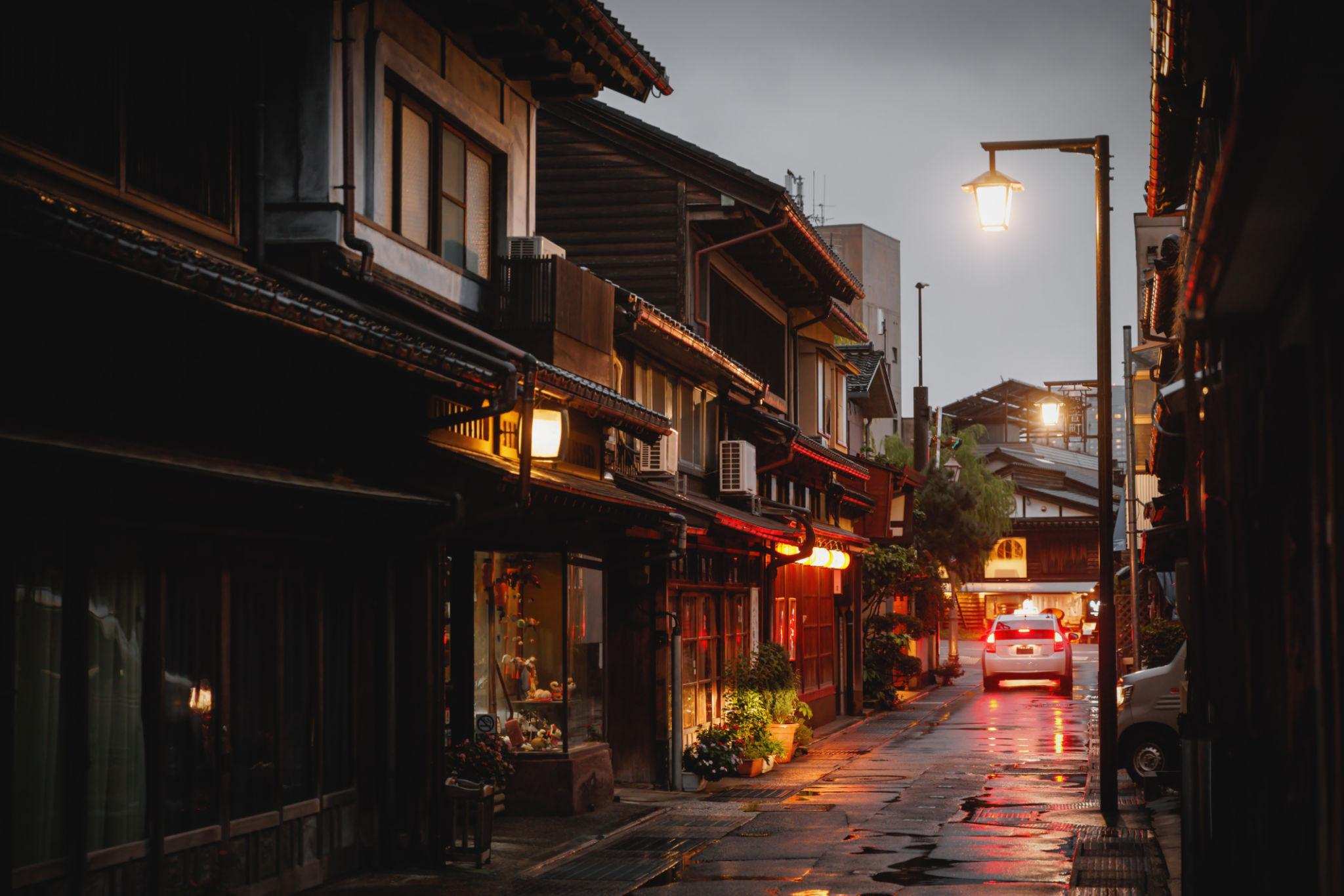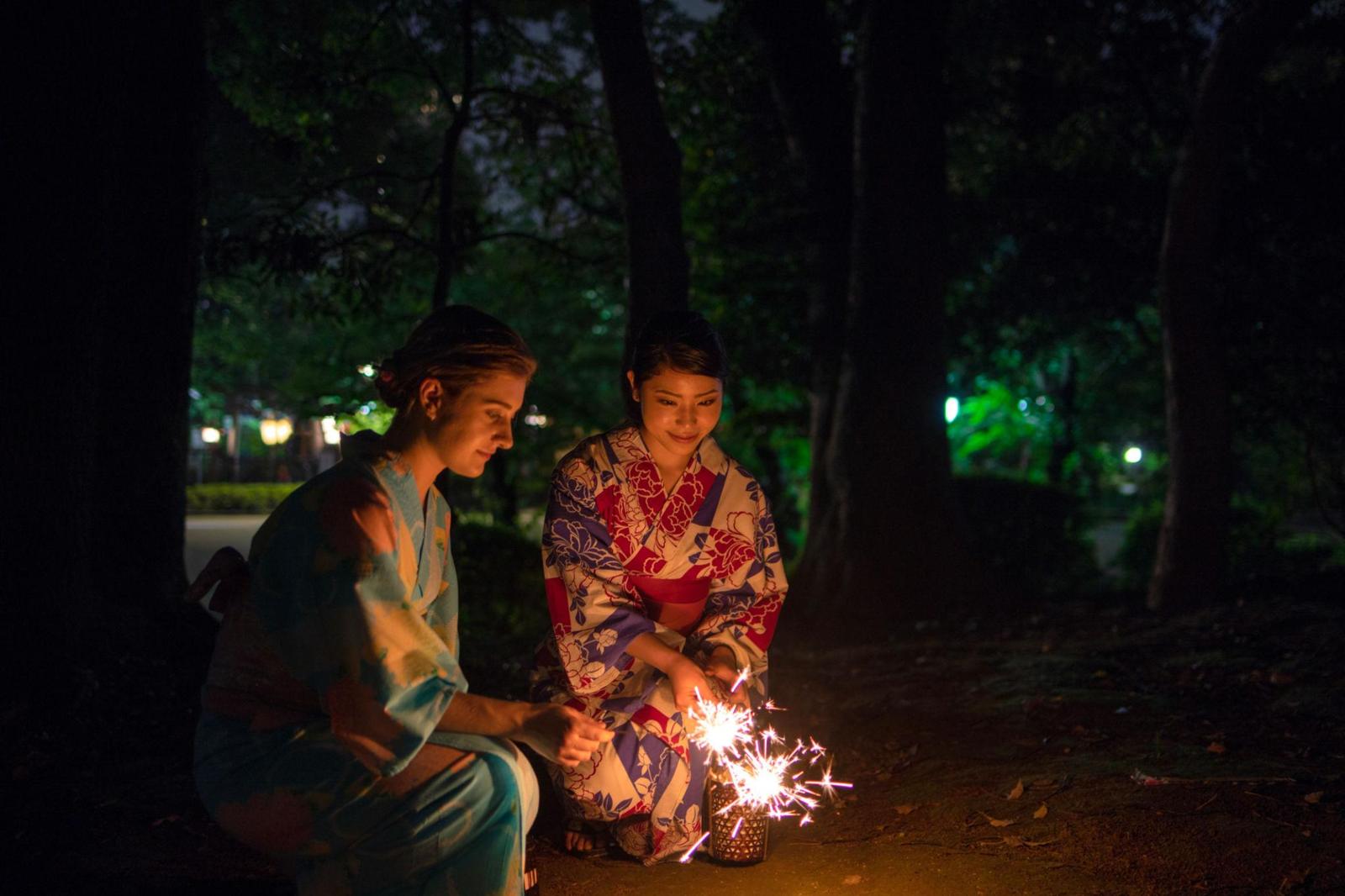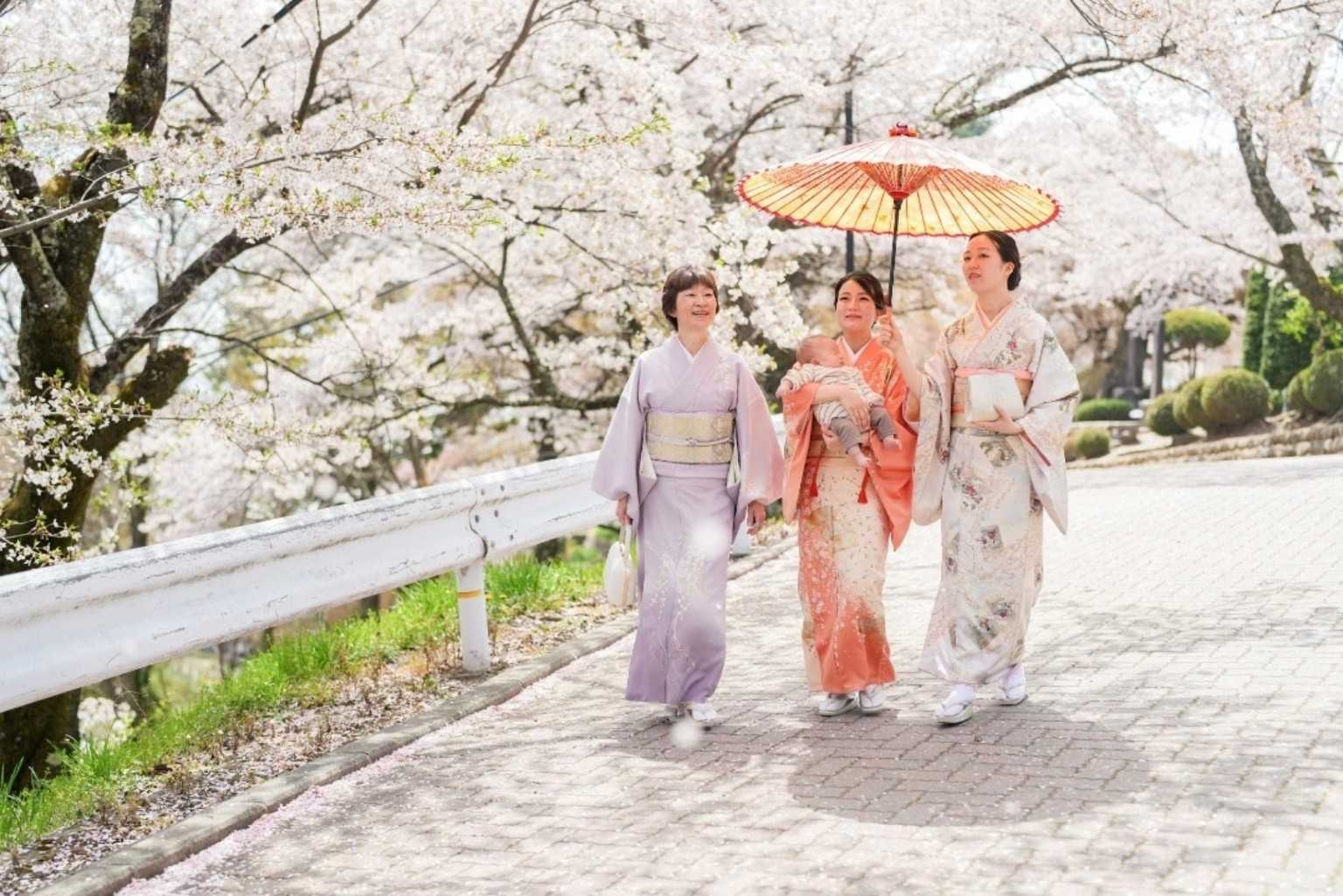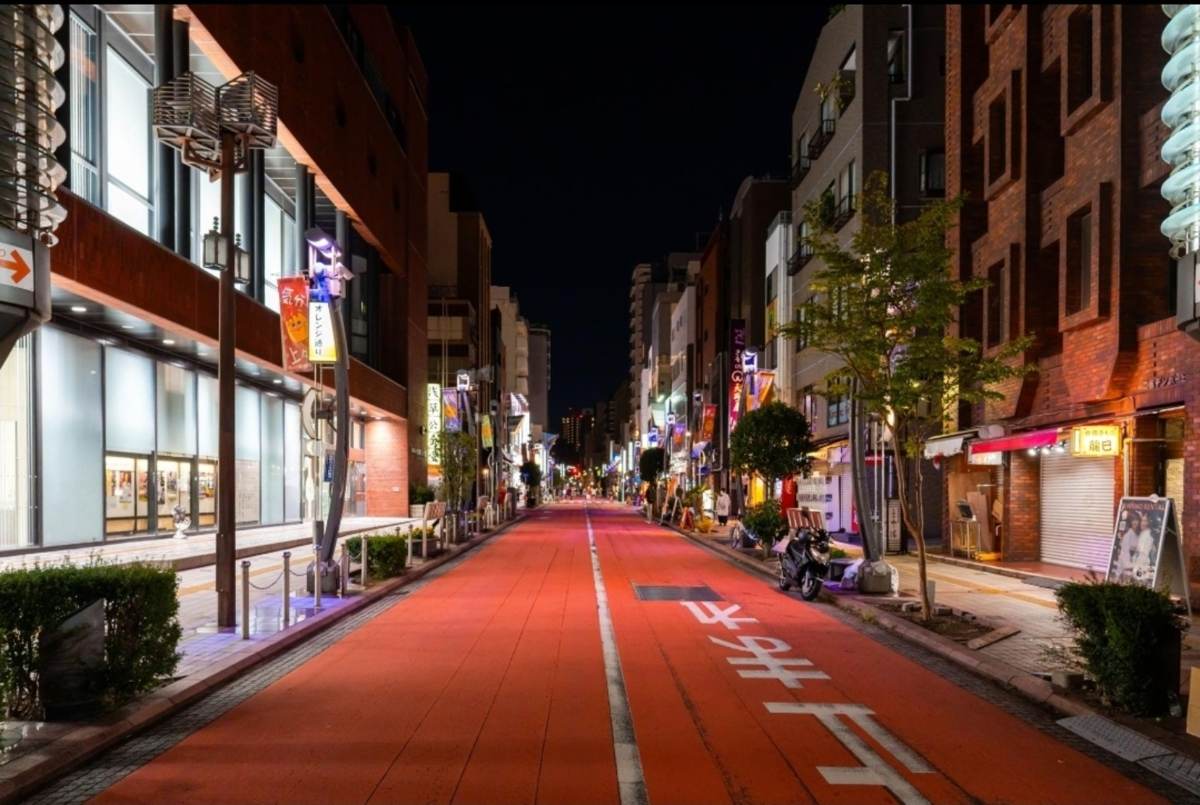


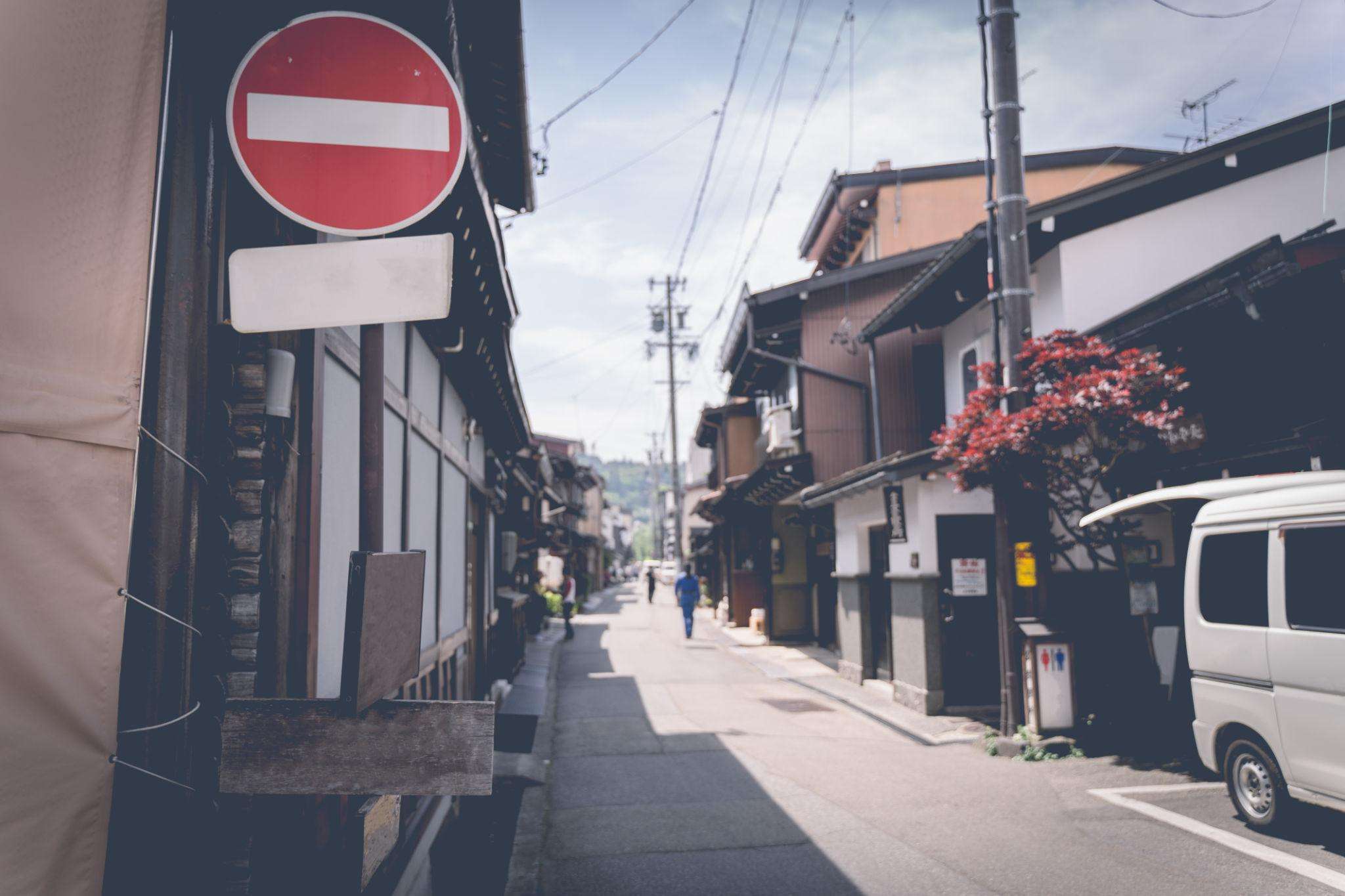
When people think about Japan, they often think about the big things: Tokyo's skyline, bullet trains, ancient temples, anime, technology, and world-famous cuisine. Those things are certainly part of the experience, but after living in Japan, I discovered that what impacted me the most were the small, everyday moments.
Over time, I realized that Japan changed the way I think about community, responsibility, respect, and even how I approach my daily routine. It wasn't one major event that shifted my perspective. Instead, it was a collection of small experiences that gradually changed the way I viewed everyday life.
The Importance of Consideration for Others
One of the first things I noticed in Japan was how much consideration people show toward those around them.
Whether it is standing quietly on a train, waiting patiently in line, or keeping public spaces clean, there is often an unspoken understanding that individual actions affect everyone else. People generally make an effort not to inconvenience others, even in small ways.
Coming from a culture that often emphasizes individual expression, it was interesting to see a society where consideration for the group plays such an important role. Neither approach is necessarily better than the other, but it encouraged me to think more about how my own actions impact the people around me.
Over time, I found myself becoming more patient, more observant, and more mindful in everyday situations.

Cleanliness Is a Shared Responsibility
One thing that surprises many visitors is how clean Japan is.
What makes this especially interesting is that public trash cans are not nearly as common as people might expect. Instead, many people simply carry their trash until they find a place to dispose of it properly.
This reflects a broader mindset that cleanliness is not someone else's responsibility. It belongs to everyone.
That lesson extends beyond keeping streets clean. It creates a sense of ownership and pride in shared spaces. Schools, parks, train stations, and neighborhoods often benefit from a culture where people actively contribute to maintaining their environment.
It reminded me that communities often become stronger when people view themselves as participants rather than simply consumers of public services.

Finding Value in Routine
Japan also helped me appreciate routine in a way I had not before.
Many aspects of daily life operate with remarkable consistency. Trains arrive on time. Businesses follow predictable schedules. Systems are designed to function efficiently and reliably.
At first, this may seem like a small thing. However, over time, I came to appreciate the sense of stability it creates. When daily systems work well, people can spend less energy worrying about logistics and more energy focusing on their goals, families, and personal growth.
Living in that environment encouraged me to develop better habits and become more intentional with my own time.

Respect for Craftsmanship
Another lesson I learned in Japan is the value of doing things well, even when nobody is watching.
Whether visiting a local restaurant, working with educators, or simply observing professionals in different fields, I frequently encountered people who took pride in their work. The focus was often not on recognition but on the quality of the finished product.
This dedication to craftsmanship can be found almost everywhere. It appears in food preparation, customer service, education, manufacturing, and countless other industries.
Seeing this mindset firsthand encouraged me to focus less on speed and more on quality in my own professional and personal life.

The Balance Between Tradition and Innovation
Japan is often described as a country where ancient traditions and modern technology exist side by side.
You can visit a centuries-old shrine in the morning and use some of the world's most advanced transportation systems in the afternoon. You can walk through historic neighborhoods and then step into areas filled with cutting-edge technology.
What impressed me most was not simply the presence of tradition or innovation, but the ability to respect both at the same time.
Japan showed me that progress does not always require abandoning the past. Sometimes the strongest societies find ways to preserve their cultural identity while continuing to move forward.

Community Matters More Than We Think
One of the most valuable lessons I learned was the importance of community.
Throughout Japan, there are countless examples of people working together to support neighborhoods, schools, local businesses, and public spaces. While no society is perfect, there is often a visible sense of connection between individuals and the communities they belong to.
As an educator, this was particularly meaningful. Strong schools are rarely built by teachers alone. They depend on families, community members, leaders, and students working together toward common goals.
Living in Japan reinforced my belief that meaningful progress often happens when people focus on collaboration rather than competition.

Final Thoughts
Living in Japan did not completely change who I am, but it certainly changed how I see many aspects of everyday life.
It taught me to appreciate routine, value craftsmanship, take greater responsibility for shared spaces, and be more mindful of the people around me. Most importantly, it reminded me that some of the most meaningful lessons we learn come not from major events, but from the ordinary moments we experience every day.
Sometimes a different country does more than show us a new culture. It helps us see our own lives from a different perspective.
And for me, that may be one of the greatest gifts Japan has given.