



Editorial Note
Minority-Owned Business Spotlight is a New To Education series highlighting businesses with publicly documented minority, immigrant, veteran, women, Indigenous, or historically underrepresented ownership and founder stories.
This article is intended for educational and informational purposes only. Inclusion does not constitute an endorsement, sponsorship, paid promotion, formal minority-business certification claim, or recommendation of any company, product, or service. Business locations, menus, prices, and operating details may change, so readers should consult the company’s official website before visiting or placing an order.
Chai is often treated as a flavor in the United States.
It appears in sweetened concentrates, coffee-shop lattes, desserts, candles, and seasonal products. The word itself is sometimes separated from the family routines, regional traditions, and everyday conversations that give the drink meaning across South Asia.
Kolkata Chai Co. was created to offer something different.
Founded by Indian American brothers Ani and Ayan Sanyal, the New York business places masala chai at the center of the experience. The company serves chai, Indian-inspired food, and packaged products while using its cafés and online presence to tell a larger story about Bengali culture and the first-generation American experience.
The founders did not simply see chai as a beverage category with commercial potential. They saw an opportunity to present something deeply familiar to South Asian households with greater care, context, and cultural confidence.
Growing Up Between Bengali and American Cultures
Ani and Ayan Sanyal were raised outside Boston by Bengali parents who immigrated to the United States in 1987.
Like many first-generation Americans, the brothers grew up moving between different cultural environments. Their home life was shaped by Bengali food, family customs, language, and traditions, while their education and professional lives were influenced by the wider American culture around them.
Chai was part of that family experience.
It was not an occasional luxury or a heavily customized coffee-shop order. It was a regular part of hospitality, conversation, and daily life. Tea could mark the beginning of a morning, accompany a family discussion, or be offered when someone entered the home.
The brothers later recognized a difference between the chai they knew and the products commonly sold in the United States.
Many commercial versions were extremely sweet, lightly spiced, or presented as alternatives to coffee without much explanation of their South Asian origins. Ani and Ayan believed customers were ready for a more culturally grounded experience.
Kolkata Chai Co. became their response.
Turning a Trip to India Into a Business Idea
The idea gained momentum after the brothers traveled to India.
Their experiences in Kolkata reinforced how central chai was to everyday public life. It was sold by street vendors, shared among friends, and consumed by people from a wide range of social and professional backgrounds.
The drink was inexpensive and accessible, but it also carried emotional and cultural importance.
Ani and Ayan began thinking about why New York, a city with a large and diverse South Asian population, lacked a prominent café concept devoted to authentic masala chai.
Indian restaurants served chai, and coffee shops often offered chai lattes, but the drink was rarely treated as the foundation of an entire brand.
The brothers launched Kolkata Chai Co. during the winter of 2018 with a straightforward goal: make it easier to find a satisfying cup of masala chai in New York.
That focus gave the company a strong starting position. Customers could quickly understand what it offered and why it was different.
Opening a South Asian-Owned Chai Café in New York
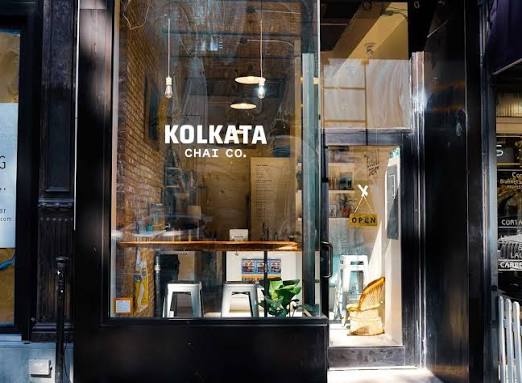
Kolkata Chai Co. began as a direct-to-consumer and event-based business before opening its first café in Manhattan’s East Village in 2019.
The founders described the location as the first South Asian-owned chai café in New York City. Its menu placed chai at the center rather than treating it as an afterthought.
The company’s signature masala chai combines black tea with milk and spices such as cardamom, ginger, cloves, and cinnamon. It has also offered variations involving rose, saffron, and other flavors, along with food inspired by Indian street snacks and Bengali traditions.
The café environment was equally important.
Ani and Ayan wanted to create a space reflecting the dual identity of first-generation South Asian Americans. That meant respecting tradition without designing a business that felt frozen in the past.
Music, art, language, food, and contemporary design helped communicate a version of South Asian culture that felt confident, creative, and current.
The company was not trying to reproduce a Kolkata street stall exactly. It was translating the feeling and cultural importance of chai into a New York business.
Why Calling Everything “Chai Tea” Misses the Point
The word “chai” means tea in several South Asian languages. For that reason, the common American phrase “chai tea” essentially repeats the same word.
More importantly, the phrase can reduce a diverse cultural tradition to a standardized flavor.
Masala chai generally refers to tea prepared with milk, sweetener, and a blend of spices. However, there is no single recipe used by every household or region. Families may adjust the amount of ginger, cardamom, cloves, cinnamon, black pepper, or other ingredients according to personal preference.
Preparation methods can also differ.
Kolkata Chai Co. uses this flexibility as part of its story while still maintaining a recognizable house product. The founders present chai as something living and adaptable rather than an exotic formula with one supposedly correct recipe.
That distinction allows the business to educate customers without becoming overly formal.
Someone can visit for a drink and snack while gradually learning more about the meaning, language, and traditions behind what they are consuming.
Building Community Around a Familiar Drink
For many South Asian customers, visiting Kolkata Chai Co. offers a sense of recognition.
They may encounter flavors they remember from home, hear music connected to their upbringing, or see cultural references rarely presented in mainstream café chains. The experience can provide a feeling of belonging in a city where immigrant communities are highly visible but not always represented on their own terms.
For customers unfamiliar with masala chai, the café offers an approachable introduction.
This combination gives Kolkata Chai Co. the ability to serve two audiences without treating either one as an afterthought.
The company can create nostalgia for people who grew up drinking chai while offering education and discovery to customers experiencing it for the first time.
That is a difficult balance for culturally rooted businesses.
A concept designed only for outsiders may simplify or commercialize the culture too aggressively. A concept designed only for people already familiar with the tradition may struggle to explain itself to a wider market.
Kolkata Chai Co. attempts to remain culturally specific while making the experience accessible.
Surviving the Pandemic and Expanding Online
Opening a physical café shortly before the COVID-19 pandemic created an immediate test for the young company.
Restrictions on indoor dining and reduced foot traffic placed enormous pressure on restaurants and cafés throughout New York. Kolkata Chai Co. had to rely more heavily on online sales, packaged chai products, delivery, and direct relationships with customers.
The founders have described bootstrapping the business through the pandemic before later raising outside investment.
Packaged masala chai allowed customers outside New York to interact with the brand. People could purchase tea blends, concentrates, kits, and related products without visiting a café.
This helped the company evolve from a local food-service operation into a broader consumer-products business.
The transition also reduced its dependence on a single location.
A café generates revenue largely from people who live, work, or travel nearby. An online store can reach former visitors, South Asian customers in other states, gift buyers, and people who discover the brand through media or social platforms.
The company’s growth demonstrates why modern food businesses often need both physical and digital strategies.
Celebrity Attention Without Losing the Cultural Mission
Kolkata Chai Co. attracted investment and support from comedian and actor Hasan Minhaj, who became one of the company’s most prominent stakeholders.
Minhaj’s involvement made sense beyond celebrity visibility. His work frequently explores the experiences of Indian American and first-generation families, making him culturally aligned with the founders’ mission.
Celebrity investment can provide capital, attention, and access to new audiences. However, it also creates a risk that the investor’s name will overshadow the founders or alter the company’s direction.
Kolkata Chai Co. has continued presenting Ani and Ayan’s family story and cultural mission as the center of the brand.
The partnership offers a useful lesson for entrepreneurs considering outside investment.
The most valuable investor may not be the person with the largest public profile. It may be someone who understands the company’s customers, respects its purpose, and can help the founders grow without stripping away what made the business distinctive.
Expanding Without Turning Chai Into a Trend
Kolkata Chai Co. has continued developing additional café locations and expanding its online marketplace.
Growth creates both opportunity and pressure.
More locations can increase revenue, visibility, and employment. They can also make it harder to maintain product quality, customer service, staff training, and cultural consistency.
For a culturally rooted business, expansion brings another challenge: how to reach a mainstream audience without reducing the culture to a passing trend.
The founders have spoken about helping chai achieve broader recognition while preserving its roots. That requires explaining why the drink matters and resisting the temptation to present it only as the next fashionable alternative to coffee or matcha.
Kolkata Chai Co.’s strongest position is not simply that it sells chai. Large chains can easily add chai products to their menus.
Its advantage comes from ownership of the story, the founder experience, the community it has built, and the cultural knowledge behind the product.
What Entrepreneurs Can Learn From Kolkata Chai Co.
Kolkata Chai Co. demonstrates the power of building around one clear product.
The founders did not begin by attempting to represent every part of Indian cuisine. They focused on masala chai, a product they understood personally and believed was poorly represented in the market.
The company also shows how cultural knowledge can reveal business opportunities.
Ani and Ayan recognized a gap that might have been invisible to someone without their background. They knew the difference between the chai served in their family and the sweeter, less culturally specific products often sold by American cafés.
Another lesson is the value of combining physical and online sales.
The cafés create atmosphere, community, and direct customer relationships. The online marketplace allows the company to reach people beyond New York and generate revenue from products that do not require immediate preparation.
Kolkata Chai Co. also illustrates the importance of founder storytelling. The brothers’ Bengali American upbringing is not an unrelated biography added to the company’s marketing. It explains why the business exists and why its approach to chai is different.
Finally, the company shows that preserving culture does not require refusing change. Tradition can be respected while products, designs, locations, and business models continue evolving.
Key Takeaways
Kolkata Chai Co. is an Indian American-owned New York chai company founded by Bengali American brothers Ani and Ayan Sanyal.
The company launched in 2018 and later opened its first café in Manhattan’s East Village. Its goal was to make authentic masala chai more visible and accessible while presenting South Asian culture through a modern first-generation American perspective.
Kolkata Chai Co. built its identity around one recognizable product instead of attempting to represent every part of Indian food culture.
The company survived the disruption of the COVID-19 pandemic by strengthening online sales and developing packaged products that could reach customers outside New York.
Its story demonstrates how cultural knowledge, a focused product, founder storytelling, community engagement, and a combination of physical and digital sales can support business growth.
Frequently Asked Questions
Who founded Kolkata Chai Co.?
Kolkata Chai Co. was founded by brothers Ani and Ayan Sanyal.
Is Kolkata Chai Co. an Indian-owned business?
Yes. The company was founded by Indian American brothers from a Bengali immigrant family. It is accurately described as an Indian American-owned, Bengali American-founded, or South Asian-owned business.
When was Kolkata Chai Co. founded?
The brothers launched Kolkata Chai Co. in 2018. The company later opened its first physical café in New York City.
What does Kolkata Chai Co. sell?
The company sells masala chai, specialty chai drinks, Indian-inspired snacks, packaged tea products, concentrates, brewing kits, merchandise, and other items. Availability varies by location and online inventory.
Does Kolkata Chai Co. have physical cafés?
Yes. Kolkata Chai Co. operates café locations in New York. Customers should consult the official company website for current addresses, hours, menus, and ordering information.
Is chai the same as chai tea?
The word “chai” means tea, so “chai tea” is a repetitive phrase. Masala chai is a more specific term for tea commonly prepared with milk, sweetener, and spices.
Final Thoughts
Kolkata Chai Co. began with a simple frustration: the masala chai Ani and Ayan Sanyal knew from their family and travels was difficult to find in New York.
Instead of accepting the watered-down or overly sweet versions commonly available, the brothers built a business around presenting chai with greater care and cultural context.
Their company now operates at the intersection of food, identity, retail, hospitality, and education.
A cup of chai may appear ordinary, but ordinary products can carry extraordinary meaning. They can represent family routines, migration stories, regional traditions, friendships, and the experience of growing up between cultures.
Kolkata Chai Co. shows that entrepreneurs do not always need to search for an unfamiliar invention. Sometimes the strongest opportunity is something they have understood their entire lives but that the wider market has never experienced properly.
Related Articles
Minority-Owned Business Spotlight: Saapaaduu Brings South Indian Homestyle Cooking to San Jose
Minority-Owned Business Spotlight: Diaspora Co. Reimagines the Indian Spice Trade From Oakland
Support New To Education
New To Education publishes educational resources, business spotlights, news coverage, and practical information for students, educators, families, professionals, and entrepreneurs.
Readers who value our work can support New To Education through the donation area below. Each contribution helps us continue publishing accessible content, expanding our platform, supporting educators and creators, and connecting education with business and opportunity.
Sources
Kolkata Chai Co. — Official Website and Founder Information
Kolkata Chai Co. — Why the Founders Opened a Chai Café in New York
Kolkata Chai Co. — Surviving the First 60 Days
South Asian Trailblazers — Ani and Ayan Sanyal, Founders of Kolkata Chai Co.
Busboy — Ani and Ayan Sanyal of Kolkata Chai Co.
The Quality Edit — Ayan and Ani Sanyal of Kolkata Chai Co.
Epicurious — There Is More to Masala Chai Than Spiced Milk Tea
Kolkata Chai Co. — Expanding the Café Business Into Brooklyn