

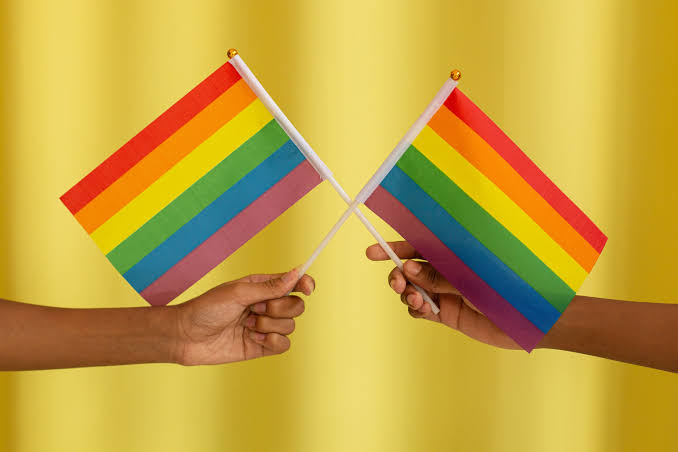

Japan is preparing to introduce a nationwide education program focused on LGBTQIA+ awareness, gender identity, and sexual diversity. The plan would be the country’s first standardized national effort to promote understanding of LGBTQIA+ people across schools, universities, workplaces, households, and local communities. (ABC News)
The initiative comes as Japan continues to discuss how schools and public institutions should support students and families from diverse backgrounds. While Japan has made some local progress through partnership systems and workplace policies, national education on LGBTQIA+ topics has remained limited compared with many other developed countries.
What the Plan Would Do
According to recent reporting, the proposed program would create educational materials and awareness resources to help students, educators, workers, and communities better understand gender and sexual diversity. Schools would be encouraged to provide students with accurate information about LGBTQIA+ people, while also improving access to support systems such as counselors and social workers. (ABC News)
The plan is also expected to affect higher education. Universities that train future teachers and healthcare workers may be asked to strengthen curriculum related to sexual orientation, gender identity, and student or patient support. (Attitude)
Why This Matters for Schools
Schools play an important role in helping students feel safe, respected, and understood.
For LGBTQIA+ students, lack of awareness can contribute to bullying, isolation, confusion, and difficulty accessing support. A nationwide education program could help create more consistent expectations for how schools discuss diversity and respond to student needs.
This does not mean every classroom will look the same. Local schools will still need to adapt materials based on student age, community needs, and professional guidance. However, a national framework could give educators clearer direction and more reliable resources.
Teacher Training Could Be Important
One of the most important parts of the plan may be teacher preparation.
Teachers are often the first adults outside the family to notice when a student is struggling. If educators receive better training, they may be more prepared to respond respectfully, prevent bullying, and connect students with appropriate support.
For future teachers, university-level coursework on diversity and student wellbeing could become increasingly important. Education is not only about academics. It is also about helping students learn in environments where they feel safe enough to participate and grow.
A Wider Social Conversation
Japan does not currently recognize same-sex marriage nationally, although many municipalities and prefectures have created partnership systems that provide limited recognition for same-sex couples. The proposed education program is part of a broader national discussion about equality, family structures, public awareness, and social inclusion.
The plan is connected to Japan’s 2023 law promoting public understanding of sexual orientation and gender identity diversity. Recent reports describe the new program as a practical next step in turning that broader law into education, training, consultation systems, and public awareness efforts. (Nation Thailand/Jiji Press)
Why the Program May Face Debate
Like many education reforms, this proposal may receive different reactions.
Supporters may view it as an important step toward reducing discrimination and helping schools better support all students. Others may raise questions about curriculum design, parental communication, age-appropriate materials, and how schools should handle sensitive social topics.
Those questions matter. Successful implementation will likely depend on transparency, teacher training, clear materials, and thoughtful communication with families.
Looking Ahead
Japan’s proposed nationwide LGBTQIA+ education program could become a significant moment in the country’s education policy.
If implemented carefully, it may help schools, universities, workplaces, and communities build better understanding of gender and sexual diversity while giving educators stronger tools to support students.
The larger lesson is that education systems are constantly evolving. As societies change, schools are often asked to prepare students not only academically, but also socially and emotionally.
For Japan, this plan represents a step toward a more structured national conversation about inclusion, student support, and the role education plays in shaping public understanding.
Sources
- ABC News – Japan to Roll Out Nationwide LGBTQIA+ Education for the First Time
https://www.abc.net.au/news/2026-06-15/japan-rolling-out-lgbtqia-education-for-the-first-time/106775430 - Attitude – Japan to Launch Nationwide LGBTQ+ Education Programme
https://www.attitude.co.uk/news/world/japan-to-launch-nationwide-lgbtq-education-programme-525751/ - Nation Thailand / Jiji Press – Japan Outlines Multilayered Plan to Improve LGBT Understanding
https://www.nationthailand.com/news/world/40066917 - HR Brew – Japan to Implement LGBTQIA+ Education in Workplaces, Schools
https://www.hr-brew.com/stories/world-of-hr-japan-to-implement-lgbtqia-education-in-workplaces-schools