




Editorial Note
Minority-Owned Business Spotlight is a recurring New To Education series highlighting businesses with publicly reported minority, immigrant, veteran, women, or historically underrepresented founder stories. This article is intended for educational and informational purposes only. Inclusion in this series does not constitute an endorsement, sponsorship, paid promotion, certification claim, or recommendation of any company, product, or service. Business details may change over time, so readers should consult official company sources for the most current information.
Some businesses preserve culture by selling products. Others preserve culture by teaching, demonstrating, and keeping traditions alive through community connection.
Arrow’s Native Foods, based in Fresno, California, is a meaningful example of a Native American-owned food business that connects entrepreneurship with Indigenous food traditions. According to the company’s official website, Arrow’s Native Foods is owned by Arrow Sample and Rochelle Bonillas, who are enrolled members of the Big Sandy Rancheria Band of Western Mono Indians.
For this Minority-Owned Business Spotlight, Arrow’s Native Foods offers a powerful example of how a small business can support cultural preservation, food education, community identity, and economic opportunity at the same time.
A Native American-Owned Food Business in Fresno
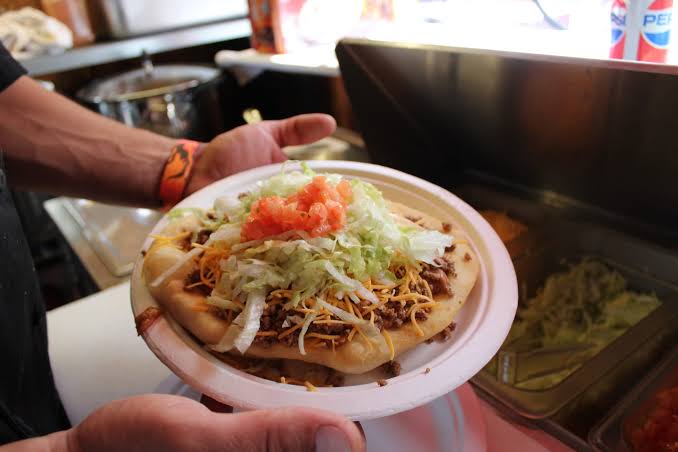
Arrow’s Native Foods is located in Fresno, California, and focuses on Native food products, food booths, acorn demonstrations, classes, wholesale and private label jerky, and gathering-related experiences.
That combination makes the business especially interesting because it is not only about selling food. It is also about sharing knowledge. Food is one of the most important ways communities pass down history, identity, survival skills, family traditions, and cultural values.
For Native communities, food traditions can carry deep meaning. They may connect to land, seasonal cycles, gathering practices, tribal knowledge, language, ceremony, and community memory. A Native-owned food business like Arrow’s Native Foods helps keep those connections visible in a modern marketplace.
Why Arrow’s Native Foods Fits a Minority-Owned Business Spotlight
Arrow’s Native Foods fits this series because it shows how minority-owned businesses can serve both an economic and cultural purpose.
Many people think of entrepreneurship only in terms of sales, profit, and growth. Those things matter, but they are not the whole story. Some businesses also help protect knowledge, strengthen identity, and educate the public.
Arrow’s Native Foods does that by highlighting Indigenous foodways and offering demonstrations and classes connected to traditional food practices. That makes it especially relevant for New To Education readers, because the business sits at the intersection of culture, entrepreneurship, and learning.
A business can be a classroom when it teaches people where food comes from, why traditions matter, and how communities keep knowledge alive.
Indigenous Food Is Also Indigenous Knowledge
Food is education.
Traditional food practices often include lessons about the environment, seasons, sustainability, preparation, patience, and respect for natural resources. Acorn processing, for example, is not simply a cooking method. It reflects generations of knowledge about gathering, preparation, safety, nutrition, and cultural practice.
When businesses like Arrow’s Native Foods offer demonstrations or classes, they help preserve knowledge that can easily be overlooked in mainstream food systems.
This matters because Indigenous food traditions have often been disrupted by colonization, land loss, forced assimilation, environmental damage, and changes in access to traditional gathering areas. Supporting Native food businesses is one way communities can recognize that Indigenous food knowledge is still present, valuable, and alive.
Representation in the Food Industry Matters
Representation matters in every industry, but it carries special weight in food. Restaurants, food products, farmers markets, and cultural food businesses shape how people understand communities.
Too often, Native American food is either ignored, misunderstood, or reduced to stereotypes. Native-owned food businesses help challenge that by presenting Indigenous food through the voices and leadership of Native people themselves.
That matters. When communities tell their own stories through food, they control the meaning, context, and purpose behind what they share.
Arrow’s Native Foods helps show that Native food is not only history. It is present-day business, culture, education, and entrepreneurship.
What Entrepreneurs Can Learn From Arrow’s Native Foods
Arrow’s Native Foods offers several lessons for entrepreneurs.
First, a strong business can begin with cultural knowledge. Entrepreneurs do not always need to copy what already exists in the marketplace. Sometimes the strongest business idea comes from protecting, sharing, and honoring something deeply rooted.
Second, education can be part of a business model. Classes, demonstrations, and storytelling can help customers understand the value behind a product.
Third, community identity can be a strength. Businesses that know who they are and who they serve can build trust in ways that generic brands cannot.
Finally, small businesses can have large cultural impact. A company does not need thousands of locations to matter. It can matter by preserving knowledge, serving customers well, and strengthening community visibility.
Why This Story Matters for Students
For students, Arrow’s Native Foods is a useful example of how entrepreneurship can connect with culture, history, and environmental learning.
A student studying business can learn about niche markets, branding, customer education, and community-based entrepreneurship. A student studying history can learn about Indigenous foodways and cultural preservation. A student studying environmental science can explore the relationship between land, food, sustainability, and traditional ecological knowledge.
This is why stories like this belong in education. They show that business is not separate from culture or learning. A business can help people understand history, identity, and the world around them.
Supporting Native-Owned Businesses Thoughtfully
Supporting Native-owned businesses should be done with respect. It is not only about buying a product because it is “unique.” It is about recognizing the people, culture, and knowledge behind the business.
Customers can support businesses like Arrow’s Native Foods by learning from official sources, respecting cultural boundaries, purchasing directly when possible, sharing accurate information, and avoiding stereotypes or assumptions.
For educators and community leaders, Native-owned businesses can also be valuable examples when teaching about entrepreneurship, cultural preservation, food systems, and local economies.
Why This Spotlight Matters
Arrow’s Native Foods matters because it shows how Native entrepreneurship can support both economic opportunity and cultural continuity.
The business reflects a larger truth: minority-owned businesses are not all the same. Some focus on technology. Some focus on food. Some focus on art, consulting, education, construction, energy, or retail. What many have in common is that they bring lived experience, culture, and community knowledge into the marketplace.
For New To Education readers, this spotlight is a reminder that education can happen through business, food, family, and tradition. Learning is not limited to textbooks. Sometimes it happens through a demonstration, a recipe, a gathering practice, or a story passed from one generation to the next.
Key Takeaways
Arrow’s Native Foods is a Native American-owned food business located in Fresno, California. The company is owned by Arrow Sample and Rochelle Bonillas, enrolled members of the Big Sandy Rancheria Band of Western Mono Indians. The business focuses on Native foods, acorn demonstrations, classes, food booths, jerky, and cultural food experiences.
Its story highlights Indigenous entrepreneurship, food education, cultural preservation, and community representation. For students, families, and entrepreneurs, Arrow’s Native Foods shows how a business can serve both a market and a mission.
FAQ
Is Arrow’s Native Foods Native American-owned?
Yes. Arrow’s Native Foods describes itself as a Native American-owned food business. Its owners, Arrow Sample and Rochelle Bonillas, are listed as enrolled members of the Big Sandy Rancheria Band of Western Mono Indians.
Where is Arrow’s Native Foods located?
Arrow’s Native Foods is located in Fresno, California.
What does Arrow’s Native Foods offer?
The business offers Native food products and services, including food booth offerings, acorn demonstrations and classes, jerky, wholesale and private label options, and gathering-related experiences.
Why is Arrow’s Native Foods a good Minority-Owned Business Spotlight?
It is a strong spotlight because it combines Native American ownership, California-based entrepreneurship, Indigenous food traditions, cultural education, and community representation.
What can entrepreneurs learn from Arrow’s Native Foods?
Entrepreneurs can learn that cultural knowledge, community identity, education, and storytelling can all become part of a meaningful business model.
Related Articles
10 Ways New To Education Can Help Your Business Grow
New To Education: Helping Learners, Families, and Businesses Grow in a Changing World
Sources
Arrow’s Native Foods — Official Website
NativeAmericans.com — Native-Owned Businesses Directory




