

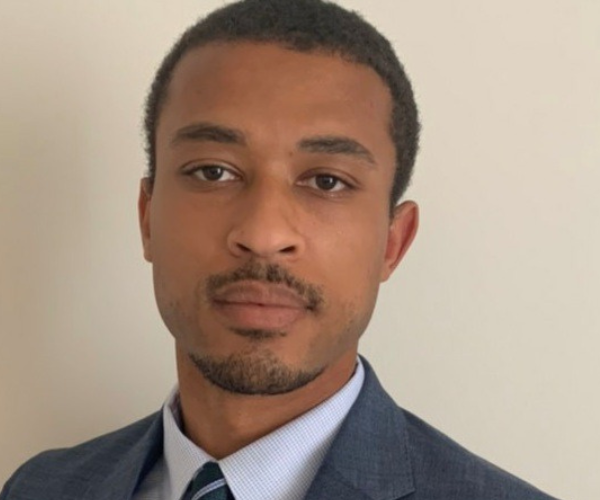


Vietnamese American entrepreneurs Yen Vo and Chef Jimmy Ly built Madame Vo around family recipes, Southern Vietnamese comfort food, cultural representation, and a modern vision for Vietnamese dining in New York City.
Editorial Note
Minority-Owned Business Spotlight is a recurring New To Education series highlighting businesses with publicly documented minority, immigrant, women, veteran, Indigenous, or historically underrepresented ownership stories.
This article is provided for educational and informational purposes. Inclusion does not constitute an endorsement, sponsorship, paid promotion, investment recommendation, restaurant review, or formal certification that the company qualifies for a particular minority-business program.
Madame Vo publicly identifies husband-and-wife team Yen Vo and Chef Jimmy Ly as its owners and founders. Public sources describe the restaurant as a Vietnamese American-owned business. Readers seeking a formally certified minority-owned vendor should independently verify its current ownership and certification status through the appropriate organization.
Some restaurants begin with a business plan. Others begin with a question.
When Yen Vo moved from Houston to New York, she wanted to know where she could find the type of Vietnamese food she remembered from home. New York had Vietnamese restaurants, but she felt that the city lacked the Southern Vietnamese comfort food, family recipes, and familiar flavors that had shaped her childhood.
That question eventually became part of the inspiration for Madame Vo.
Yen Vo and Chef Jimmy Ly opened the restaurant in New York City’s East Village in 2017. They built the menu around homestyle cooking, noodle soups, rolls, wings, and recipes connected to their families and memories. The restaurant describes itself as a love letter to Vietnamese home cooking rather than an attempt to reproduce every region or tradition within Vietnamese cuisine.
Madame Vo demonstrates how a minority-owned business can preserve cultural memory while adapting it to one of the world’s most competitive restaurant markets.
Its story connects food with marriage, migration, family knowledge, neighborhood identity, entrepreneurship, and the challenge of presenting Vietnamese cuisine without reducing it to only pho or inexpensive takeout.
A Vietnamese American Business in the East Village
Madame Vo is located at 212 East 10th Street in Manhattan’s East Village.
The neighborhood is known for restaurants, nightlife, small businesses, immigrant history, artistic communities, and constant commercial change. Opening there placed the restaurant in an area with significant customer traffic but also intense competition and high operating costs.
The East Village already had restaurants representing many parts of the world. Madame Vo needed to distinguish itself while remaining understandable to customers who might have limited familiarity with Vietnamese food.
The founders did not build the restaurant around novelty alone.
Instead, they focused on food that felt recognizable to Vietnamese and Vietnamese American diners while remaining welcoming to people discovering those dishes for the first time.
The result was a modern dining room serving food rooted in family experience.
Madame Vo’s official history identifies the business as the creation of Chef Jimmy Ly and Yen Vo and says the restaurant specializes in homestyle Vietnamese cooking, noodle soups, and comfort foods.
Who Are Yen Vo and Jimmy Ly?
Yen Vo and Jimmy Ly are a husband-and-wife entrepreneurial team.
Vo moved to New York from Houston, where she had grown up with access to a large Vietnamese community and a wide range of Vietnamese restaurants. Ly grew up in Queens and developed his cooking through family influence, restaurant experience, and a desire to represent Vietnamese food more fully in New York.
Their personal relationship became intertwined with the development of the restaurant.
The business reflects Vo’s memories of Southern Vietnamese cooking and Ly’s interpretation of the food he learned through family and professional practice.
Madame Vo’s name places Yen Vo at the center of the brand. It also signals the importance of women in preserving and transmitting family recipes.
Many traditional dishes survive because mothers, grandmothers, aunts, sisters, and other relatives prepare them repeatedly over generations. That knowledge is often passed through observation, taste, repetition, and spoken instruction rather than formal culinary schools.
By building a commercial restaurant around those influences, Madame Vo gives family cooking a public and economic value.
Family Recipes Became the Foundation of the Brand
Madame Vo’s menu is built around nostalgic Vietnamese dishes rather than a claim to represent all of Vietnam.
Vietnam has significant regional diversity. Northern, Central, and Southern Vietnamese cooking can differ in ingredients, preparation, sweetness, spice, herbs, climate, and historical influence.
The founders’ perspective is shaped particularly by Southern Vietnamese food and family experience.
This distinction matters because immigrant cuisines are often presented to American diners as though one menu represents an entire country.
A more honest approach recognizes that every restaurant reflects particular regions, families, migrations, and personal choices.
Madame Vo’s dishes include noodle soups, rice dishes, rolls, wings, and other forms of comfort food. The restaurant’s signature pho has become one of its best-known items, but the broader business introduces customers to a range of Vietnamese flavors and meal traditions.
The restaurant therefore uses familiar dishes as an entry point without allowing Vietnamese cuisine to be defined by only one item.
Why Vietnamese Home Cooking Matters
Home cooking rarely receives the same public recognition as restaurant innovation.
Professional chefs are praised for originality, technique, presentation, and creativity. Family cooks may spend decades preserving recipes without receiving formal titles or awards.
Madame Vo’s concept helps challenge that separation.
Homestyle food can require considerable skill. A broth may need hours of preparation. Sauces depend on balance rather than a simple written formula. Herbs, aromatics, meat, noodles, and condiments must work together.
The knowledge involved may be deeply technical even when it was learned inside a family kitchen.
Turning that knowledge into a restaurant creates both opportunity and responsibility.
The business must maintain consistency, train employees, comply with health requirements, purchase ingredients at scale, and reproduce dishes for customers who may arrive with different expectations.
What feels natural in a family home must be translated into systems that can support a commercial dining room.
Madame Vo’s success shows that family recipes can become the foundation of a serious hospitality business without losing their emotional meaning.
The Restaurant Challenges Narrow Ideas About Vietnamese Food
Many American customers first encounter Vietnamese cuisine through pho or bánh mì.
Those foods are important, but they do not represent the full range of Vietnamese cooking.
When one or two dishes become commercially dominant, restaurants may feel pressure to focus only on what customers already recognize.
That creates a difficult cycle.
Customers order only familiar dishes because they have limited exposure. Businesses offer fewer unfamiliar dishes because they fear those items will not sell.
Madame Vo helped expand New York’s Vietnamese dining conversation by serving recognizable favorites alongside other homestyle dishes and later developing a second restaurant with a different focus.
The restaurant group’s official description says Madame Vo presents noodle soups and comfort foods, while Monsieur Vo explores street food, drinking food, and large-format meat and fish dishes.
Together, the concepts show that Vietnamese food can support multiple dining formats rather than being confined to one restaurant model.
Building a Modern Restaurant Without Hiding Its Heritage
Minority-owned businesses often face a branding dilemma.
A company may be encouraged to modernize its presentation to reach a broader audience. At the same time, it may be criticized if customers believe it has moved too far from tradition.
This creates an impossible standard when authenticity is treated as something outsiders can define.
Madame Vo uses a contemporary dining environment while placing Vietnamese family cooking at the center of the experience.
The restaurant does not need to resemble a family kitchen visually for its food to reflect family memory.
A modern dining room, professional branding, reservation system, cocktail program, and social-media presence do not automatically weaken cultural identity.
These are tools for operating within the current restaurant industry.
The more important question is whether culture is being used only as decoration or remains connected to ownership, recipes, decision-making, and the people receiving the economic benefit.
At Madame Vo, Vietnamese American ownership and family influence are central to the company’s story.
A Husband-and-Wife Business Brings Unique Strengths and Risks
Running a business with a spouse can create a strong partnership.
Each person may bring different abilities. One may focus more heavily on cooking and restaurant operations, while the other contributes to branding, customer experience, business development, or financial planning.
A married couple may also share a long-term commitment that helps the company survive difficult periods.
The arrangement brings risks as well.
Business disagreements can follow the couple home. Personal stress can enter the workplace. Financial pressure may affect both the company and the family at the same time.
Clear responsibilities become essential.
A family business needs professional communication, financial transparency, decision-making procedures, and boundaries between personal and operational conflict.
Vo and Ly have discussed their restaurants and marriage as connected parts of their lives. Their experience illustrates how family entrepreneurship can transform a personal vision into a recognizable brand while requiring both partners to navigate constant overlap between work and home.
Madame Vo Became More Than One Restaurant
After opening Madame Vo in 2017, the founders expanded their work.
They opened Madame Vo BBQ in 2019, presenting Vietnamese barbecue through a dedicated restaurant format. The couple later developed Monsieur Vo, which opened in 2022 and focuses on street-style dishes, drinking food, and large-format preparations.
Expansion allowed the founders to explore additional parts of Vietnamese cuisine.
It also demonstrated that the original brand had developed enough recognition to support new concepts.
Growing from one restaurant into a restaurant group is not simply a matter of duplicating the first location.
Each concept requires staffing, leadership, training, supply systems, marketing, financial oversight, quality control, and a clear identity.
Expansion becomes especially difficult when a company’s reputation depends heavily on a founder’s personal story and culinary judgment.
The founders must determine which responsibilities can be delegated without weakening the experience customers associate with the brand.
Representation Matters in New York’s Restaurant Industry
New York is one of the most diverse cities in the world, but diversity among customers does not automatically create equal opportunity among business owners.
Restaurants owned by immigrants and people of color may face limited access to capital, high commercial rents, language barriers, unequal media attention, and customer assumptions about what their food should cost.
Vietnamese American owners may also feel pressure to explain their cuisine while competing against better-funded hospitality groups.
A successful independent restaurant can challenge those conditions by becoming visible on its own terms.
Madame Vo does not treat Vietnamese identity as a secondary theme added to a generic restaurant. It makes Vietnamese family cooking the reason the business exists.
That representation can influence younger chefs, hospitality workers, and entrepreneurs who want to build businesses around their own cultural backgrounds.
Seeing a Vietnamese American couple operate recognizable New York restaurants demonstrates that cultural food can support ownership, leadership, and business growth.
The Price of Cultural Food Is Often Misunderstood
Customers frequently associate immigrant food with low prices.
That expectation may come from the history of immigrant businesses serving working-class communities. It may also reflect the way American consumers have undervalued the labor involved in Asian, Latin American, African, Middle Eastern, and Caribbean cuisines.
A restaurant still must pay rent, wages, insurance, utilities, vendors, delivery costs, taxes, repairs, and licensing expenses.
A broth that simmers for many hours is labor-intensive even when the dish has historically been sold at an affordable price.
Fresh herbs, quality meat, specialty ingredients, and careful preparation all have costs.
Minority-owned restaurants must be able to price food in a way that supports employees and keeps the business operating.
Supporting cultural food should not require expecting its owners to remain permanently underpaid.
Madame Vo’s modern presentation helps communicate that Vietnamese home cooking carries culinary and economic value.
The Pandemic Tested the Restaurant’s Community Role
The COVID-19 pandemic created severe challenges for New York restaurants.
Dining rooms closed, tourism declined, employees lost work, and owners faced uncertainty about rent, supply costs, safety rules, and reopening.
Madame Vo remained active during the crisis and delivered hundreds of free meals to frontline workers, according to a profile published by Song Cai Distillery.
That response reflects a broader tradition among minority-owned businesses.
Restaurants often operate on narrow margins, yet they become important community-support systems during emergencies. They provide food, information, jobs, gathering space, and assistance to neighbors.
This work may not appear in standard business measurements.
Revenue, growth, and market share do not capture the full value of a business that helps sustain a community during a crisis.
At the same time, community service should not create the expectation that minority-owned companies must constantly give away products or labor.
A business can contribute to the public while still needing customers, revenue, and financial stability.
The Restaurant Helps Preserve Cultural Memory
Food can carry memories across borders and generations.
A child may remember the smell of broth in a family kitchen, the way herbs were arranged on a table, or the dishes prepared for a holiday.
When families migrate, those foods become part of maintaining identity in a new place.
Restaurants can preserve those memories, but preservation is not exact duplication.
Ingredients may differ. Equipment changes. Customers bring new expectations. Family recipes must be adapted for commercial production.
The result becomes part of the continuing development of Vietnamese American culture.
Madame Vo preserves memory by making family-connected dishes available in a public setting. It also creates new memories for diners who encounter those foods in New York.
A Vietnamese American customer may recognize something from childhood. Another diner may taste the dish for the first time.
Both experiences become part of the restaurant’s cultural role.
The Business Connects New York With the Vietnamese Diaspora
Vietnamese American communities developed across the United States after several waves of migration, particularly following the end of the Vietnam War.
Large communities formed in California and Texas, while New York’s Vietnamese population remained smaller and more dispersed.
That history helps explain why Yen Vo’s move from Houston to New York affected her perception of the local food scene.
Houston offered access to a substantial Vietnamese community and numerous restaurants. New York had immense culinary diversity but did not necessarily provide the same concentration of Southern Vietnamese food she remembered.
Madame Vo helped connect those experiences.
The business brought family influences associated with Vietnamese communities in Texas and New York into a restaurant located in Manhattan.
This reflects how diaspora culture moves within the United States, not only between Vietnam and America.
Immigrant identity is shaped by cities, states, neighborhoods, and multiple generations.
Expanding Cultural Understanding Without Becoming a Classroom
Minority-owned restaurants are often expected to educate customers.
Menus may need explanations. Employees answer questions about ingredients and customs. Owners may spend interviews describing national history or defending whether a dish is authentic.
Education can be valuable, but a restaurant is not obligated to turn every meal into a formal lesson.
Customers also have a responsibility to approach unfamiliar food with curiosity and respect.
They can ask thoughtful questions without demanding that employees represent an entire culture.
Madame Vo makes Vietnamese cooking more visible, but its primary role remains operating a restaurant.
The strongest cultural learning may occur naturally.
A diner encounters a new dish, learns the name, enjoys the experience, and becomes interested in understanding more.
That form of education grows through participation rather than explanation alone.
The Importance of Naming and Storytelling
The name Madame Vo is personal, memorable, and connected directly to the business’s co-founder.
It gives the restaurant an identity beyond a generic description of Vietnamese food.
The use of “Madame” also creates a sense of hospitality, personality, and respect. It centers Yen Vo within the company’s public image rather than treating her as an invisible partner behind the chef.
Naming can be especially important for family-owned and minority-owned businesses.
A name communicates who has authority, whose story matters, and what customers should remember.
The later opening of Monsieur Vo extended that naming structure while creating a complementary concept.
Madame Vo and Monsieur Vo represent different menus and dining experiences, but they remain connected through family identity and shared ownership.
This gives the restaurant group a recognizable brand architecture without making every concept identical.
Employees Are Essential to Cultural Hospitality
Founder stories receive considerable attention, but restaurants depend on teams.
Cooks, dishwashers, servers, bartenders, hosts, managers, cleaners, delivery personnel, and suppliers all contribute to the customer experience.
A culturally significant restaurant must still function as a workplace.
Its long-term impact should therefore be considered partly through employment quality.
Important questions include whether employees receive training, opportunities for advancement, predictable communication, safe working conditions, and respectful leadership.
Minority ownership alone does not guarantee that every workplace practice will be equitable.
The spotlight should recognize ownership representation while still acknowledging that responsible entrepreneurship requires attention to employees.
A successful restaurant creates cultural value through food and economic value through jobs.
Both parts matter.
What Other Entrepreneurs Can Learn From Madame Vo
The first lesson is that a business idea can begin with a clearly identified gap.
Yen Vo recognized that she could not easily find the particular Vietnamese food experience she wanted in New York. The founders responded by developing a restaurant around that unmet demand.
The second lesson is that personal history can become a strategic advantage.
Family recipes, migration experiences, and regional knowledge gave Madame Vo an identity that a generic restaurant concept could not easily reproduce.
The third lesson is that a company can be modern without hiding its roots.
Contemporary branding and presentation can help cultural businesses reach new audiences while preserving ownership and meaning.
The fourth lesson is that one concept does not need to represent an entire culture.
Madame Vo focuses on home cooking and comfort food. Monsieur Vo explores other parts of Vietnamese cuisine. Each business has a clearer identity because it does not attempt to do everything at once.
The final lesson is that growth should emerge from a strong foundation.
The founders expanded only after building recognition around the original restaurant and establishing a story customers could understand.
Why Madame Vo Fits a Minority-Owned Business Spotlight
Madame Vo is a strong spotlight candidate because its ownership story is publicly documented and closely connected to Vietnamese American identity.
The company also offers more than a restaurant success story.
It demonstrates how cultural knowledge can become business knowledge. Family recipes become menu development. Migration experience becomes market awareness. Cultural memory becomes branding and customer connection.
The restaurant also shows why minority-owned businesses should not be valued only because they are inspiring.
They should be understood as serious companies managing employees, real estate, inventory, customer expectations, and financial risk.
Madame Vo succeeds culturally only because it also performs the difficult operational work required of a New York restaurant.
Supporting Vietnamese-Owned Businesses Responsibly
Customers can support Vietnamese-owned businesses by purchasing their products and services, but responsible support extends beyond a single visit.
Restaurant customers should respect reservations, cancellation policies, employees, operating hours, and the realities of independent-business pricing.
They can also explore Vietnamese businesses outside the most familiar categories.
Vietnamese American entrepreneurs operate companies in technology, design, healthcare, law, education, beauty, manufacturing, finance, media, and many other fields.
Supporting one prominent restaurant should not replace learning about the broader business community.
Customers should also avoid treating the owners as representatives of every Vietnamese person.
Madame Vo reflects the founders’ families, histories, and culinary perspective. Another Vietnamese-owned restaurant may present different regional traditions and interpretations.
That diversity is a strength.
How New To Education Approaches Minority-Owned Business Spotlights
New To Education publishes Minority-Owned Business Spotlights to introduce readers to entrepreneurs whose companies connect business development with culture, innovation, education, and community history.
These articles do not rank companies or guarantee the quality of their products or services.
They examine publicly documented stories that can offer lessons for students, educators, aspiring entrepreneurs, professionals, and consumers.
Madame Vo provides a valuable case study in family entrepreneurship, cultural branding, restaurant development, customer education, business expansion, and the economic value of inherited knowledge.
Key Takeaways
Madame Vo is a Vietnamese American-owned restaurant founded by husband-and-wife team Yen Vo and Chef Jimmy Ly.
The restaurant opened in New York City’s East Village in 2017 and focuses on Vietnamese home cooking, noodle soups, rolls, wings, and family-connected comfort foods.
The concept was shaped partly by Vo’s desire to find the Southern Vietnamese food she remembered after moving from Houston to New York.
Family recipes and memories provide the foundation for the restaurant’s brand, but the company also operates through a contemporary dining and hospitality model.
The founders later expanded their work through additional restaurant concepts, including Monsieur Vo.
Madame Vo challenges the assumption that Vietnamese cuisine can be represented only through pho, bánh mì, inexpensive food, or one standardized version of authenticity.
The business demonstrates how minority ownership can transform cultural knowledge into employment, public representation, neighborhood investment, and long-term entrepreneurial value.
Frequently Asked Questions
Where is Madame Vo located?
Madame Vo is located at 212 East 10th Street in New York City’s East Village.
Who owns Madame Vo?
The restaurant was created and is owned by husband-and-wife team Yen Vo and Chef Jimmy Ly.
When did Madame Vo open?
The restaurant opened in 2017.
What type of food does Madame Vo serve?
It specializes in Vietnamese homestyle cooking, including noodle soups, rolls, wings, rice dishes, and other comfort foods connected to the founders’ families.
Is Madame Vo the same as Monsieur Vo?
No. The two restaurants share founders and a broader restaurant group, but they have different concepts. Madame Vo focuses on home cooking and comfort food, while Monsieur Vo explores street-style dishes, drinking food, and large-format preparations.
Is Madame Vo formally certified as minority-owned?
Public sources document the founders’ Vietnamese American identity and ownership. This article does not claim that the restaurant holds a specific government or private minority-business certification.
Does the restaurant represent all Vietnamese cuisine?
No individual restaurant can represent every Vietnamese region, family, or tradition. Madame Vo reflects the founders’ experiences, Southern Vietnamese influences, and family recipes.
Why is the business significant?
Madame Vo helped increase the visibility of Vietnamese family cooking in New York while creating a recognizable business around Vietnamese American ownership, cultural identity, and hospitality.
Final Thoughts
Madame Vo began with a desire for food that felt familiar.
Yen Vo wanted the type of Vietnamese cooking she remembered from her life before New York. Together with Chef Jimmy Ly, she transformed that desire into a restaurant, brand, workplace, and expanding hospitality company.
The business shows that preserving culture does not always require keeping food inside the home.
Family recipes can enter a commercial kitchen without losing their meaning. They can create employment, introduce customers to new experiences, and give greater public value to knowledge carried across generations.
Madame Vo also demonstrates that Vietnamese cuisine is not one fixed menu.
It can include home cooking, noodle soups, barbecue, street food, shared dishes, modern dining, and regional traditions that many American customers have not yet encountered.
The restaurant’s greatest contribution may therefore be larger than any individual dish.
It gives Vietnamese American entrepreneurs the power to define how their own food, history, and hospitality are presented.
Support New To Education
New To Education publishes independent content about minority-owned businesses, entrepreneurship, immigrant communities, education, culture, careers, and economic development.
Readers can support this work by sharing the article, subscribing to New To Education updates, joining the New To Education community, exploring our educational and professional services, or using the support options available through the website.
Related Articles
Vietnamese-Owned Business Spotlight: Bạn Bè Preserves Culture Through Baking in Brooklyn
Minority-Owned Business Spotlight: Nguyen Coffee Supply
Sources
Madame Vo — About
https://www.madamevo.com/about
Madame Vo — Official Website
Monsieur Vo — About
https://www.monsieurvonyc.com/about
Vietcetera — Chef Jimmy and Madame Vo on Bringing Genuine Vietnamese Cooking to New York City
https://vietcetera.com/en/chef-jimmy-and-madame-vo-on-bringing-genuine-vietnamese-cooking-to-nyc
Song Cai Distillery — Spirit of Việt Nam: Yen Vo, Owner of Madame Vo
https://www.songcaidistillery.com/journal/spirit-of-vietnam-madame-vo
Vogue — How AAPI Chefs Are Putting a New Spin on Fusion Cuisine
https://www.vogue.com/article/top-aapi-chefs-reinventing-asian-fusion-cuisine
Resy — Madame Vo Archives
https://blog.resy.com/venue/madame-vo-nyc-2352/
The New Yorker — The East Village’s Wave of Vietnamese Food
https://www.newyorker.com/magazine/2017/08/07/the-east-villages-wave-of-vietnamese-food