



Editorial Note
This article is intended for educational and informational purposes only. It is not a substitute for medical advice, diagnosis, prenatal care, or mental health treatment.
Anyone experiencing persistent sadness, severe anxiety, difficulty functioning, thoughts of self-harm, thoughts of harming a child, or other concerning symptoms during or after pregnancy should contact a qualified healthcare professional or emergency service.
The study discussed below identifies associations between pregnancy, brain changes, bonding, and symptoms of peripartum depression. It does not establish a diagnostic brain scan for depression, nor does it mean that all women experience pregnancy-related brain changes in the same way.
A second pregnancy does not simply repeat the neurological changes that occurred during the first, according to new research published on July 11, 2026.
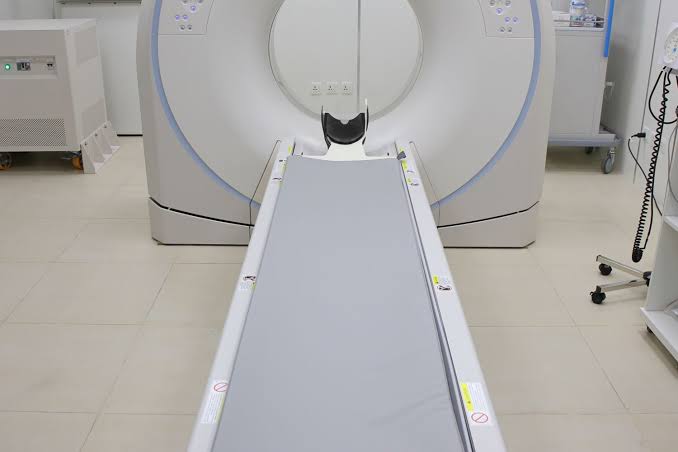
Researchers from Amsterdam University Medical Center followed 110 women and used repeated brain scans to compare women experiencing a first pregnancy, women experiencing a second pregnancy, and women who did not become pregnant during the study period.
The researchers found that both first and second pregnancies changed the structure and function of the brain. However, the pattern of change was not identical.
A first pregnancy produced the greatest changes in a network associated with self-reflection and social understanding. During a second pregnancy, researchers observed more prominent changes in networks involved in attention and responding to sensory information.
The findings add to growing evidence that pregnancy is not only a major physical and hormonal event. It is also a period of substantial neurological adaptation.
The study may eventually help researchers better understand maternal bonding and identify biological patterns associated with mental health difficulties during and after pregnancy. However, the findings remain an early step and are not ready to be used as a clinical screening test.
Researchers Followed Women Through Repeated Brain Scans
The study, published in Nature Communications, examined how pregnancy history influenced changes in women’s brains.
Researchers followed 110 women over time. The group included women preparing for their first child, women experiencing a second pregnancy, and women who remained childless during the study.
Rather than relying on a single scan, the team repeatedly scanned participants’ brains. This allowed the researchers to observe how brain structure and function changed across pregnancy and after childbirth.
Longitudinal research of this kind can provide information that a one-time comparison cannot. A single scan may show that two groups look different, but repeated scans can help researchers observe how those differences develop.
Previous research from the same team had already demonstrated that a first pregnancy can produce measurable changes in the human brain. The new study extended that work by asking whether a second pregnancy creates the same neurological pattern or a different one.
The answer appears to be both.
Some changes were similar across pregnancies, while others depended on whether the woman was becoming a mother for the first time or already had a child.
A First Pregnancy Produced the Largest Changes in the Default Mode Network
The largest changes during a first pregnancy occurred in an interconnected system known as the default mode network.
This network is involved in several complex mental processes, including self-reflection, understanding other people, recalling personal experiences, and interpreting social information.
Researchers studying pregnancy have proposed that changes in this network may help the brain adapt to motherhood. Caring for an infant requires adults to interpret subtle expressions, sounds, movements, and needs while reorganizing their own priorities and routines.
This does not mean pregnancy removes brain tissue in a harmful way or makes women less intelligent.
Changes in brain structure can reflect adaptation and specialization. The brain regularly reorganizes itself in response to learning, development, injury, hormones, and major life experiences.
Pregnancy-related brain changes may therefore represent the nervous system preparing for a new set of social, emotional, and caregiving demands.
The researchers found that the connection between brain changes and mother-child bonding was stronger after a first pregnancy than after a second.
One possible explanation is that becoming a parent for the first time requires a particularly large psychological and neurological transition. However, the researchers did not conclude that bonding is weaker or less important after a second pregnancy.
The pattern simply differed between the two groups.
A Second Pregnancy Affected Attention and Sensory Networks More Strongly
During a second pregnancy, the default mode network changed again, but the alterations were generally smaller than those observed during the first pregnancy.
Instead, the most noticeable second-pregnancy changes appeared in brain networks involved in directing attention and responding to sensory information.
The researchers suggested that these adaptations may be useful for someone preparing to care for more than one child.
A parent with a newborn and an older child may need to divide attention, switch rapidly between tasks, recognize competing needs, and respond to more complex activity within the home.
The brain changes observed by the research team do not prove that pregnancy automatically improves multitasking or attention. They do suggest that a second pregnancy may place different adaptive demands on the brain than the first.
This distinction is important because maternal health research has often treated pregnancy as though it creates one universal biological experience.
The new findings suggest pregnancy history matters.
A person experiencing a first pregnancy may be undergoing a different pattern of neurological adaptation than someone preparing to welcome another child.
Every Pregnancy May Leave Its Own Neurological Mark
The researchers concluded that each pregnancy may leave a partly unique mark on the maternal brain.
This does not mean the brain is permanently altered in exactly the same way for every person. Brain development is influenced by genetics, health, age, sleep, stress, relationships, environment, previous experiences, and many other factors.
It does mean that pregnancy deserves greater attention as a major period of adult brain plasticity.
Neuroplasticity refers to the brain’s ability to reorganize its structure, connections, and activity in response to experience.
Scientists have long studied brain development during childhood and adolescence. Pregnancy and parenthood are now receiving greater recognition as periods when the adult brain also adapts substantially.
This research could eventually help healthcare providers understand why the emotional, cognitive, and behavioral experience of one pregnancy may feel different from another.
Some women report that their second pregnancy feels easier because they know what to expect. Others find it more demanding because they are managing pregnancy while caring for another child.
Neurological differences may be one part of that much larger experience.
The Study Found Links to Peripartum Depression
One of the most important findings involved peripartum depression.
Peripartum depression refers to depression that develops during pregnancy or after childbirth. The term includes what is commonly called postpartum depression, while recognizing that symptoms may begin before the baby is born.
The researchers identified associations between changes in the brain’s cortex and symptoms of peripartum depression during both first and second pregnancies.
The timing differed between groups.
Among first-time mothers, the associations were most apparent after childbirth. Among women experiencing a second pregnancy, they were more noticeable during pregnancy.
This does not mean the researchers found one brain change that directly causes maternal depression. Mental health conditions rarely have a single cause.
Peripartum depression may involve a combination of hormonal shifts, personal or family history, sleep deprivation, relationship stress, financial pressure, birth complications, lack of support, previous trauma, and other biological and social factors.
The brain findings may eventually contribute to a more complete understanding of risk, but they should not be interpreted in isolation.
Peripartum Depression Is More Than Temporary Sadness
Emotional changes after childbirth are common.
Some parents experience temporary mood swings, crying, irritability, worry, or exhaustion during the first days after delivery. These symptoms are sometimes described as the “baby blues” and often improve within a relatively short period.
Peripartum depression is generally more persistent and disruptive.
Symptoms may include prolonged sadness, hopelessness, loss of interest, severe guilt, difficulty bonding, anxiety, changes in sleep or appetite beyond those expected from caring for a baby, and difficulty completing everyday tasks.
Some people may experience frightening or intrusive thoughts. In severe cases, there may be thoughts of self-harm or suicide.
These symptoms are not evidence that someone is a bad parent or does not love their child.
Peripartum depression is a health condition that deserves medical attention and support. Treatment may include counseling, social support, medication, practical assistance, or a combination of approaches based on the person’s circumstances.
The new research may help reduce stigma by reinforcing that maternal mental health is connected to significant biological and neurological changes, not simply personal weakness.
The Findings Do Not Create a Brain-Scan Test for Depression
The relationship between brain changes and depressive symptoms is scientifically important, but the study should not be overstated.
Doctors cannot currently perform a routine brain scan during pregnancy and use it to reliably predict whether a patient will develop peripartum depression.
The study involved a relatively limited group of participants, and the results will need to be examined in larger and more diverse populations.
Researchers will also need to determine how brain changes interact with medical history, pregnancy complications, social support, economic conditions, sleep, hormonal differences, and previous mental health diagnoses.
A statistical association at the group level does not necessarily allow accurate predictions for one individual patient.
Future research may produce useful screening tools, but current mental health care still depends heavily on conversations, questionnaires, clinical evaluations, medical history, and patients feeling safe enough to describe what they are experiencing.
The study should encourage closer attention to maternal mental health rather than create expectations that technology can replace human care.
Why Second Pregnancies Need Their Own Research
Second pregnancies are often treated as though they are simply more familiar versions of first pregnancies.
A parent may already understand prenatal appointments, childbirth, feeding, sleep disruption, and infant care. Friends, relatives, employers, and even healthcare systems may therefore assume less support is needed.
That assumption can be misleading.
A second pregnancy may occur at a different age, under different financial circumstances, or with different medical risks. The parent may also be caring for another child while attending appointments, working, managing fatigue, and preparing for a new family structure.
There may be less time for rest and fewer opportunities to focus exclusively on the pregnancy.
The new brain research reinforces that a second pregnancy is a distinct biological and psychological transition. It deserves the same attention to mental health, physical recovery, and family support as a first pregnancy.
Previous experience can be helpful, but it does not make someone immune to depression, anxiety, exhaustion, or pregnancy complications.
Support Should Begin During Pregnancy
Because the study found that depression-related brain associations appeared during pregnancy among some second-time mothers, healthcare systems should not wait until after childbirth to discuss mental health.
Prenatal care can include routine questions about mood, anxiety, sleep, relationships, safety, stress, and available support.
Patients should also be told where they can seek help if symptoms develop between appointments.
Partners and relatives can play an important role by noticing changes without becoming judgmental. A person experiencing depression may not always recognize how significantly their mood or functioning has changed.
Support can include helping with meals, childcare, transportation, household tasks, medical appointments, or opportunities for uninterrupted rest.
Practical help cannot replace professional treatment when treatment is needed, but it can reduce some of the pressures that make recovery more difficult.
Employers can also support maternal health through reasonable leave, flexible transitions, access to benefits, and workplace cultures that do not punish parents for requesting help.
Maternal Brain Changes Should Not Be Used to Reinforce Stereotypes
Research about pregnancy and the brain must be discussed carefully.
Popular culture often uses phrases such as “pregnancy brain” to suggest that pregnant women become forgetful, irrational, or less capable.
The new study does not support treating pregnant women as intellectually impaired.
It describes changes in particular networks associated with attention, sensory processing, social understanding, and adaptation. Brain change does not automatically mean brain decline.
The same principle applies to many life experiences. Learning a new skill, adapting to stress, recovering from an injury, and entering a new developmental stage can all alter the brain.
Pregnancy-related neuroscience should be used to improve healthcare and understanding, not to justify discrimination in education, employment, leadership, or family decision-making.
Pregnant employees and parents remain capable individuals, even when they are also managing fatigue, discomfort, hormonal changes, or mental health symptoms.
What the Study Means for Families
For families, the most useful message is that every pregnancy may be different.
A person who felt emotionally well during a first pregnancy could still experience depression or anxiety during a second. Someone who struggled after a first birth may have a different experience later.
Families should avoid assuming that past experience guarantees a particular outcome.
Regular communication can make it easier to identify changes early. Partners can ask specific questions about mood, fears, sleep, and daily functioning rather than simply asking whether everything is fine.
Parents should also be encouraged to discuss mental health during prenatal and postnatal appointments without fear that honesty will automatically result in judgment.
Seeking support early may help prevent symptoms from becoming more severe.
The goal is not to treat every emotional change as an illness. It is to recognize when distress becomes persistent, overwhelming, or disruptive enough to require professional attention.
What Researchers Need to Study Next
The Amsterdam UMC findings open several important research questions.
Scientists will need to determine how long the observed brain changes last and whether they continue after additional pregnancies.
Future studies may examine how breastfeeding, sleep, pregnancy complications, birth experiences, parental leave, caregiving support, and hormonal changes influence the maternal brain.
Researchers will also need more diverse participants.
Pregnancy experiences can differ significantly across cultures, racial and ethnic groups, income levels, family structures, and healthcare systems. A finding observed in one population should not automatically be assumed to apply identically everywhere.
Another important question is whether the neurological patterns can help identify people who would benefit from earlier mental health intervention.
That possibility is promising, but it will require careful validation and strong privacy protections. Brain data and mental health information are highly sensitive and should not be used to discriminate against pregnant people or parents.
Key Takeaways
A study publicized and published on July 11, 2026, found that first and second pregnancies produce both shared and distinct changes in the maternal brain.
Researchers followed 110 women using repeated brain scans, including women experiencing first pregnancies, second pregnancies, and no pregnancy during the study period.
First pregnancies produced the largest changes in the default mode network, which is associated with self-reflection and social understanding.
Second pregnancies produced more prominent changes in networks associated with attention and responding to sensory information.
The researchers found associations between pregnancy-related brain changes and symptoms of peripartum depression during both first and second pregnancies.
Among first-time mothers, these associations were more apparent after childbirth. Among second-time mothers, they were more apparent during pregnancy.
The results do not create a clinical brain-scan test for depression, and they do not prove that the observed brain changes directly caused depressive symptoms.
The study reinforces the importance of discussing maternal mental health during pregnancy as well as after childbirth.
FAQ
What health finding was published on July 11, 2026?
Researchers reported that a second pregnancy changes the maternal brain in ways that are partly similar to and partly different from the changes associated with a first pregnancy.
Where was the study published?
The peer-reviewed study was published in Nature Communications and was conducted by researchers associated with Amsterdam University Medical Center.
How many women participated?
The researchers followed 110 women, including first-time pregnant women, women experiencing a second pregnancy, and women who did not become pregnant during the study.
Does pregnancy damage the brain?
The study did not conclude that pregnancy damages the brain. The changes may reflect neuroplasticity and adaptation to pregnancy, parenthood, attention demands, and caregiving.
What is the default mode network?
It is a group of connected brain regions involved in self-reflection, personal memories, social understanding, and interpreting the thoughts or feelings of others.
Were the brain changes the same during both pregnancies?
No. Some changes were shared, but first pregnancies produced larger changes in the default mode network. Second pregnancies showed more prominent changes in networks related to attention and sensory processing.
Did the study examine postpartum depression?
The researchers examined peripartum depression, which can occur during pregnancy or after childbirth. They found associations between depressive symptoms and certain changes in the brain’s cortex.
Can a brain scan predict postpartum depression?
Not based on this study alone. The findings are not ready to be used as an individual diagnostic or screening test.
Can someone develop depression during a second pregnancy even if the first pregnancy went well?
Yes. Every pregnancy and life situation can be different. A previous pregnancy without mental health complications does not guarantee that later pregnancies will follow the same pattern.
When should someone seek professional help?
Help should be sought when sadness, anxiety, hopelessness, intrusive thoughts, difficulty functioning, or trouble bonding becomes persistent or severe. Urgent assistance is needed when there are thoughts of self-harm, suicide, harming a child, or an immediate safety concern.
Final Thoughts
The study published on July 11 offers another reminder that pregnancy is one of the most significant periods of change the human body and brain can experience.
A second pregnancy may feel familiar, but it is not simply a neurological replay of the first.
The brain appears to adapt to different demands, including caring for more than one child, dividing attention, processing sensory information, and navigating a changing family structure.
These findings may eventually help researchers improve the detection and treatment of maternal mental health conditions. For now, their most practical message is straightforward: mental health should be discussed throughout pregnancy, not only after a baby is born.
Every pregnancy deserves individualized care.
Every parent deserves to be taken seriously when something does not feel right.
And scientific interest in the maternal brain should lead not only to better research, but also to more compassionate healthcare and stronger support for families.
Related Articles
The Growing Focus on Mental Health Self-Care: Why Taking Care of Your Mind Matters
Sources
Nature Communications — The Effects of a Second Pregnancy on Women’s Brain Structure and Function