


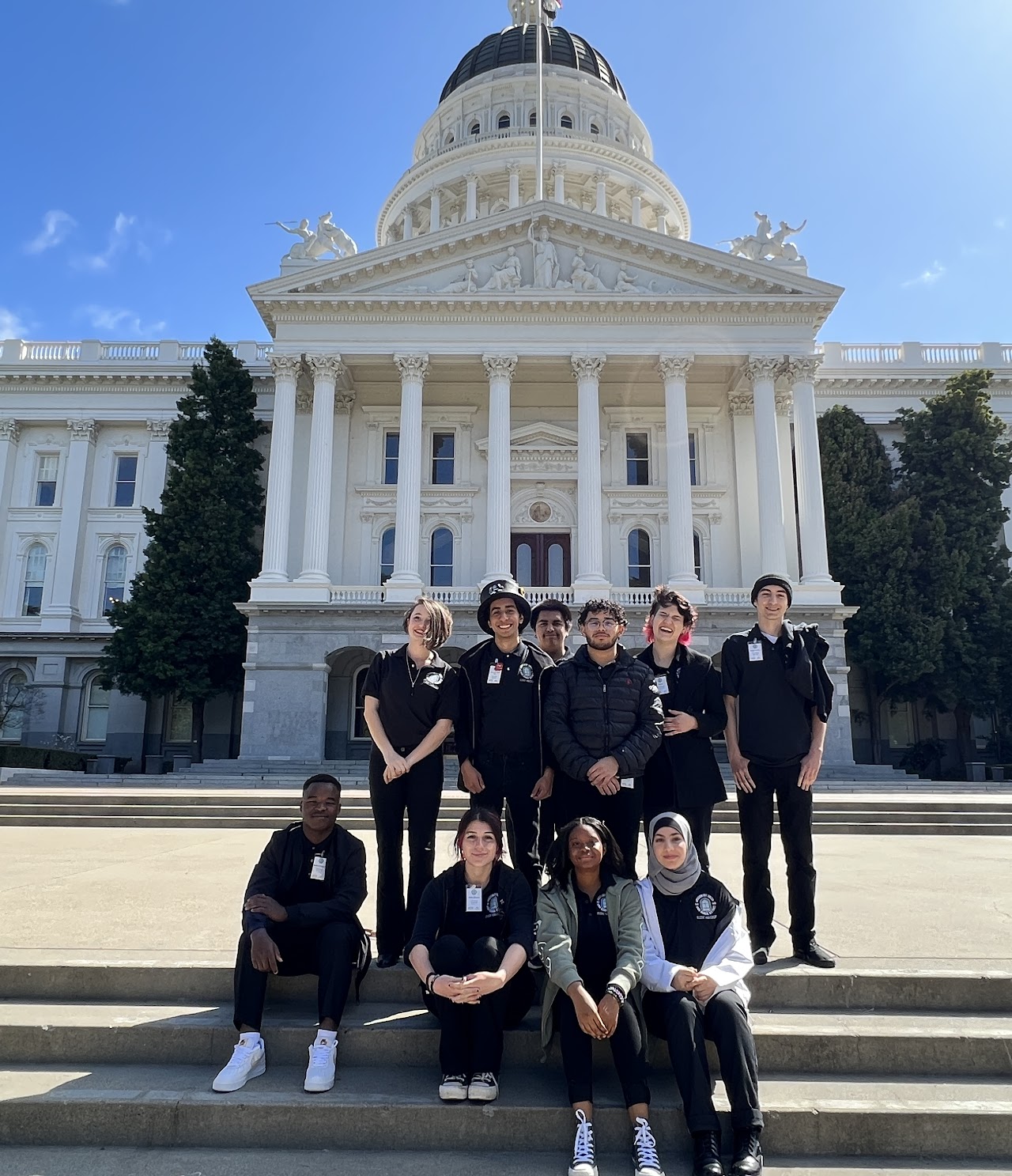

California may soon ask voters a major question:
Should billionaires pay more to help fund public programs like education?
A proposed ballot initiative known as the 2026 Billionaire Tax Act would place a one-time 5% tax on individuals with a net worth of $1 billion or more. Supporters say the revenue could help fund education, healthcare, food assistance, and other public services.
And as expected, the proposal is already creating debate.
Why this matters
California has the largest public school system in the United States, serving more than 5 million students.
That means funding decisions made in California don’t just affect budgets—they affect classrooms, teachers, families, and millions of students across the state.
Education funding is also connected to much larger conversations involving:
- economic policy
- healthcare spending
- public services
- and long-term workforce development
When budgets tighten, schools often feel the effects quickly through staffing shortages, classroom resources, student support programs, and operational cuts.
That’s part of why this proposal is getting so much attention.

What the proposal would do
Under the proposed measure:
- Individuals with a net worth over $1 billion would pay a one-time 5% tax
- The revenue would help fund public programs, including education
- Supporters estimate the proposal could generate roughly $100 billion
The initiative is still moving through the political process, but it could eventually appear before California voters.
The argument in favor
Supporters argue that some of the wealthiest individuals in the country have benefited heavily from California’s economy, infrastructure, workforce, and public systems.
From that perspective, asking billionaires to contribute more during periods of financial pressure may seem reasonable.
Supporters believe the proposal could:
- Protect education funding
- Reduce pressure on public programs
- Help maintain services for families and students
- Create a more balanced tax structure
For many people, the argument comes down to a simple question:
If public systems are struggling, should those with the greatest financial resources contribute more?
The argument against
Opponents see significant risks.
Unlike income taxes, wealth taxes are much more complicated to calculate and enforce. Wealth can include:
- private businesses
- investments
- real estate
- stocks that fluctuate in value
Critics also warn that higher taxes could encourage wealthy residents and businesses to leave California, potentially reducing future investment and tax revenue.
Others argue that a one-time tax may provide temporary relief without solving long-term structural funding problems.

How many families may view this
For many families, the debate is less about billionaires specifically and more about whether schools will have the resources students need moving forward.
Parents often care less about the political framing and more about practical outcomes:
- classroom quality
- student support
- teacher availability
- and access to opportunities
That’s part of why education funding discussions tend to attract attention across political lines.
One challenge that remains
Even if the measure passes, funding alone may not solve every issue facing education.
Schools still face challenges involving:
- staffing shortages
- teacher burnout
- student performance gaps
- technology integration
- and long-term planning
Money can help address some problems, but it may not automatically solve deeper structural issues within education systems.
A larger question beneath the debate
This conversation is about more than billionaires.
It raises a broader question:
How should states fund education in the future?
As costs continue to rise and education systems face increasing pressure, governments are being forced to rethink where funding comes from—and who is responsible for providing it.
The bigger picture
California often becomes a testing ground for larger national debates.
What happens there can influence:
- education policy
- taxation discussions
- public funding models
- and political conversations across the country
Because of California’s size and economic influence, the outcome of this proposal could shape how other states approach education funding in the future.
Final thought
Public education requires stable, long-term investment.
The real question is whether a billionaire tax is the right way to provide it—or whether different long-term solutions are needed moving forward.
California voters may eventually decide.
What do you think?
Should states explore new ways to fund education, or are there better long-term solutions?