
For years, we’ve heard the same thing:
There aren’t enough teachers. And to be fair in many places, that’s true.
Classrooms are understaffed. Workloads are increasing. Burnout is real.
But there’s another side to this conversation that doesn’t get talked about enough.
What if it’s not just a shortage?
What if part of the issue isn’t how many teachers we have…
but where they are?
Because here’s the reality:
There are qualified educators around the world who are: underemployed, working outside their field or simply don’t have access to consistent opportunities
At the same time, schools in other regions are struggling to find teachers.
So the question becomes:
Is this really a shortage… or is it a disconnect?

We’re thinking about access differently now
For a long time, access to education meant one thing:
A teacher in the room.
But that’s starting to change.
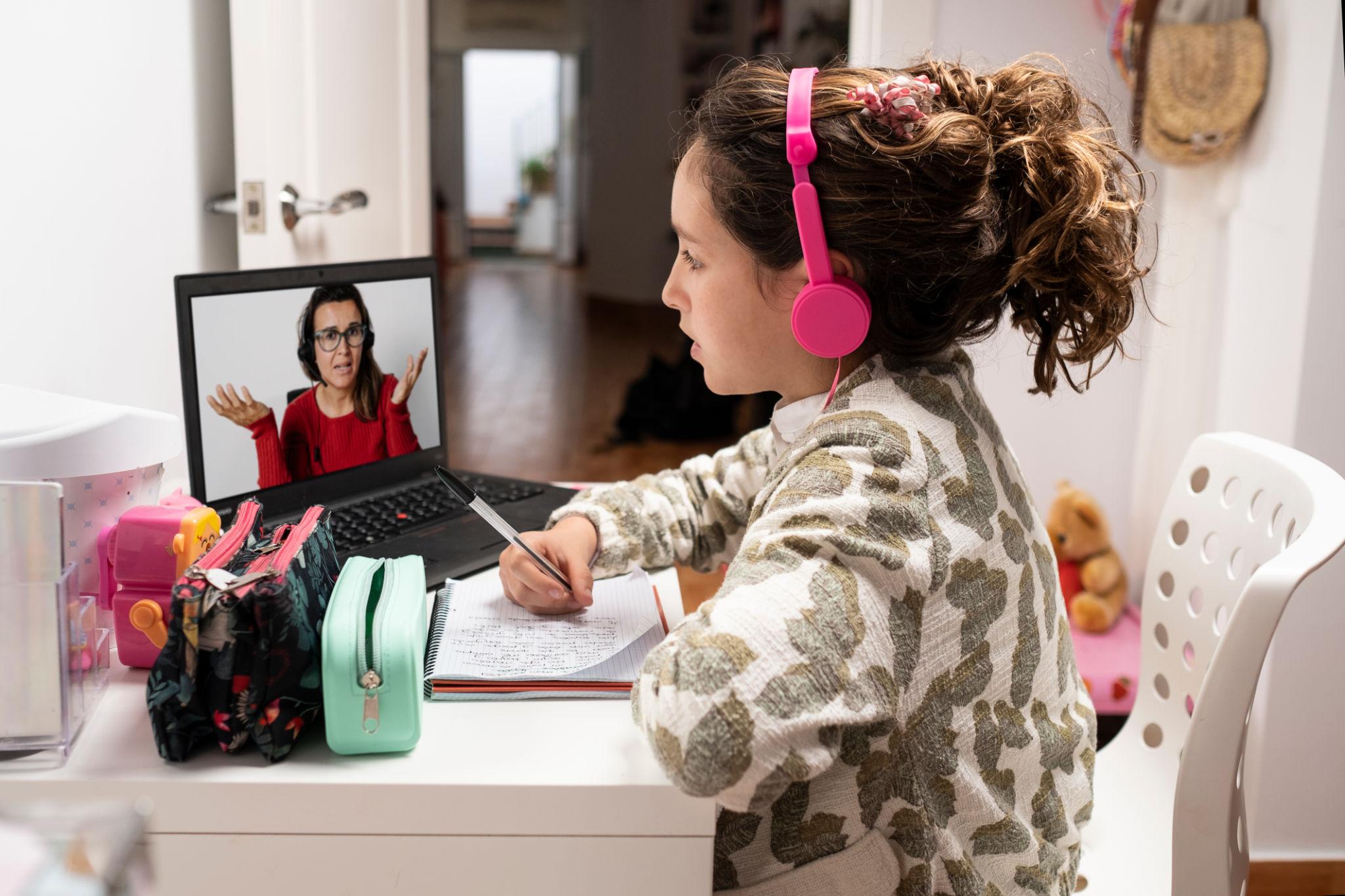
Today, a student in one country can learn from a teacher in another. A family can find support that doesn’t exist locally. An educator can reach students far beyond their immediate environment.
That’s not a future idea. It’s already happening.
A simple example
Think about this:
A qualified teacher in one country is struggling to find consistent work.
Meanwhile, a student or school somewhere else is actively looking for help.
Both needs exist. But without a connection between them, nothing happens.
That’s where the gap really is.
So what does online education actually change?
It doesn’t replace classrooms.
But it does fill gaps.
- It gives students access to support when local options are limited.
- It gives teachers the ability to reach beyond geography.
- It gives families more choice in how their children learn.
And when you look at it that way…
The idea of a “shortage” starts to look a little different.

Let’s be real for a second
This doesn’t mean the teacher shortage isn’t real.
Schools still need in-person educators. Burnout, retention, and workload are still major issues.
None of that disappears. But at the same time, we might not have fully adapted to how and where teaching can happen.
What needs to happen next
If this shift continues, a few things matter:
- Better systems to connect teachers and students globally
- Stronger support for educators working online
- Smarter integration between traditional schools and digital learning
Because this isn’t about replacing one system with another.
It’s about expanding what’s possible.
Where this is heading
For a long time, education was limited by location.
Now, it’s being shaped by access.
- Access to people.
- Access to platforms.
- Access to opportunity.
And that changes everything.
Final thought
The teacher shortage hasn’t disappeared.
But the way we think about it might need to. Because in a connected world, the real question isn’t just:
How many teachers do we have?
It’s:
How well are we connecting them to the students who need them?
A quick note
I’m really glad to be back writing again.
I’ve been working behind the scenes on our new site, and we’re continuing to build it out not just for tutoring, but for blogs, creative content, and more.
If you get a chance, feel free to stop by and take a look.