
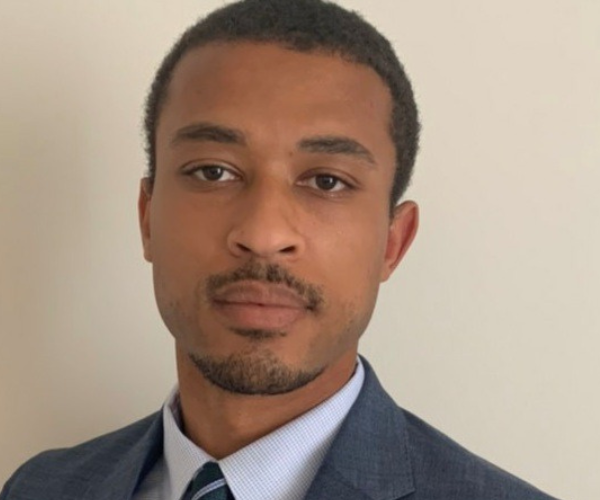


St. Thomas University President David A. Armstrong has been placed on leave while the Miami Gardens university investigates allegations of conduct that may have violated institutional policy.
Editorial Note
This article concerns St. Thomas University in Miami Gardens, Florida, not the University of St. Thomas in Minnesota or the University of St. Thomas in Houston.
The university has disclosed only that President David A. Armstrong is being investigated over allegations of conduct that may violate university policy. It has not publicly described the alleged conduct, identified the people involved, or announced any finding of wrongdoing.
Placing an employee on leave during an investigation is an interim administrative action. It does not establish guilt, confirm that university policy was violated, or determine what the final outcome will be.
St. Thomas University President David A. Armstrong has been placed on leave while the private Catholic university investigates allegations that his conduct may have violated institutional policy.
The Miami Gardens university confirmed the leadership change on July 23 but released few details about the accusations, the events that led to the investigation, or how long the review may take.
Armstrong has served as St. Thomas University’s president since 2018. During his absence, the Rev. Rafael Capó has been appointed interim administrator and is handling the responsibilities of the president.
The limited information has created a difficult situation for the university community. St. Thomas must protect the fairness and confidentiality of an active investigation while also maintaining confidence among students, employees, families, alumni, and supporters.
What St. Thomas University Announced
St. Thomas University said Armstrong was placed on leave while it investigates allegations of conduct that could violate university policy.
The university did not publicly explain what type of conduct is under review. It also did not identify the policy allegedly involved, say when the reported conduct occurred, or disclose whether the investigation began because of an employee complaint, a student report, an internal review, or another source.
University officials said additional information may be released when appropriate, depending on the findings of the investigation.
That lack of detail should not be interpreted as proof that the allegations are either serious or minor. It reflects only that the university has not yet made the underlying information public.
Armstrong Has Led the University Since 2018
David A. Armstrong became St. Thomas University’s 10th president in 2018 and was formally inaugurated in 2019.
Before the current investigation, the university publicly credited his administration with efforts involving enrollment, institutional growth, professional programs, campus development, partnerships, and the university’s long-term strategic direction.
Armstrong is an attorney and has frequently discussed college leadership, financial sustainability, student success, and the challenges facing smaller universities.
His position as president gave him responsibility for the institution’s overall direction, administration, fundraising, external relationships, and implementation of policies approved by the university’s governing leadership.
That makes his placement on leave a significant institutional development even though the nature of the allegations remains unknown.
Rev. Rafael Capó Assumes Presidential Responsibilities
The university appointed the Rev. Rafael Capó as interim administrator while the investigation proceeds.
Capó has served St. Thomas University since 2020 and has held leadership responsibilities involving mission, ministry, theology, and the institution’s Catholic identity.
His temporary appointment is designed to maintain continuity while Armstrong is unavailable.
An interim administrator may need to manage academic operations, executive decisions, external relationships, staffing matters, student concerns, and preparations for the coming academic year.
St. Thomas has not indicated that Capó’s appointment represents a permanent presidential transition. Armstrong remains on leave pending the results of the investigation.
Why Administrative Leave Is Used
Universities may place senior employees on leave when allegations require an investigation that is independent from the person’s daily authority.
A president ordinarily exercises influence over personnel, budgets, legal affairs, communications, and senior administrators. Allowing that individual to remain fully active during an investigation could create concerns about access to records, contact with witnesses, or influence over the review process.
Administrative leave can therefore protect both the institution and the person being investigated.
It allows the university to examine the allegations while reducing the possibility that normal leadership responsibilities will interfere with the process. It may also protect the employee from assumptions that every workplace decision made during the investigation is connected to the case.
However, leave should not be treated as discipline unless the university formally says otherwise.
An Investigation Is Not a Finding of Misconduct
The most important distinction in this case is the difference between an allegation and a conclusion.
An allegation is a claim that conduct may have occurred.
An investigation is the process used to gather documents, interview relevant people, review policies, and determine whether the available evidence supports that claim.
A finding occurs only after the reviewing authority reaches a conclusion.
St. Thomas University has not announced a finding that Armstrong violated university policy. No publicly identified court, government agency, or university panel has determined that the allegations are true.
Responsible coverage must therefore avoid describing Armstrong as having committed misconduct unless evidence and a formal finding later support that conclusion.
Why the University Has Released So Few Details
Employment investigations are frequently confidential, particularly during their early stages.
Universities may limit disclosure to protect the privacy of complainants, witnesses, and the person under investigation. Public statements could also affect witness cooperation, expose confidential personnel information, or create legal concerns.
The university may additionally be trying to prevent rumors from replacing evidence while investigators complete their work.
At the same time, excessive secrecy can weaken public trust.
Students and employees may reasonably want to know whether the allegations involve campus safety, financial management, discrimination, harassment, retaliation, governance, or another matter affecting the institution.
St. Thomas will eventually need to determine how much it can responsibly disclose without violating privacy or undermining the investigation.
What a Fair Internal Investigation Should Include
A credible university investigation should clearly identify the policy under review and give Armstrong a meaningful opportunity to respond.
Investigators should gather relevant communications, documents, institutional records, and witness statements. The people conducting the review should be sufficiently independent from the president and others whose decisions may be examined.
The process should also protect people who provide information from retaliation.
If the allegations involve conduct affecting students or employees, the university may need to determine whether additional protective or reporting measures are necessary while the review continues.
The final decision should be based on documented evidence rather than rumor, political pressure, personal loyalty, or concern about public image.
The University’s Catholic Mission Adds Another Layer of Accountability
St. Thomas University describes itself as a Catholic institution committed to academic and professional success, cultural and international diversity, service, and the development of ethical leaders.
Religious identity does not replace employment law, institutional policy, or due process. It does, however, shape the standards the university publicly establishes for leadership and community conduct.
When an institution promotes ethical leadership as part of its mission, allegations involving its president can become a test of whether those values guide internal accountability.
The university must avoid two opposite failures.
It should not protect a senior leader from appropriate scrutiny because of status or institutional reputation. It also should not presume wrongdoing or abandon procedural fairness because public attention has increased.
How Students May Be Affected
The investigation does not currently appear to change students’ enrollment status, academic programs, financial aid, or ability to attend the university.
However, uncertainty at the presidential level can affect institutional decision-making, public confidence, fundraising, recruitment, and employee morale.
Students may also encounter rumors about the allegations before the university releases verified information.
St. Thomas should communicate clearly about who is exercising presidential authority, whether normal operations are continuing, and where students or employees can report concerns connected to the investigation.
The institution does not need to reveal confidential evidence to reassure the community that an orderly process is in place.
Why Governing-Board Oversight Matters
A university president ordinarily reports to a board of trustees or comparable governing authority.
That governing body has responsibility for selecting, evaluating, supporting, and, when necessary, disciplining or removing the president.
An investigation involving the president therefore tests the board’s independence.
Trustees must protect the university’s mission and legal interests without allowing personal relationships, donor pressure, institutional embarrassment, or fear of controversy to control the outcome.
They should also ensure that the interim leadership arrangement does not create confusion about decision-making authority.
Once the investigation concludes, the governing leadership may need to determine whether Armstrong returns, receives corrective action, separates from the institution, or is cleared of the allegations.
What the Public Still Does Not Know
Several important facts remain undisclosed.
The university has not explained:
- what conduct Armstrong is accused of;
- which university policy may have been violated;
- who is conducting the investigation;
- whether an outside investigator has been retained;
- whether any students or employees are directly affected;
- whether Armstrong is on paid or unpaid leave; or
- when the review is expected to conclude.
These gaps significantly limit what can responsibly be concluded.
Until the university provides more information, claims circulating beyond the confirmed announcement should be treated cautiously.
What St. Thomas Should Communicate Next
The university should provide updates when doing so no longer threatens confidentiality or procedural fairness.
At a minimum, it should eventually explain whether the investigation found that a policy violation occurred and what institutional action followed.
If Armstrong is cleared, the university should state that clearly enough to prevent unresolved allegations from continuing to damage his reputation.
If investigators substantiate misconduct, the university should explain the general nature of the violation and how it responded, while protecting legally confidential information.
St. Thomas should also consider whether the investigation reveals broader weaknesses in reporting procedures, executive oversight, workplace culture, or board governance.
The strongest institutional response will not simply resolve Armstrong’s employment status. It will show whether the university can investigate its highest-ranking administrator under the same principles it expects other employees to follow.
How New To Education Covers University Leadership
New To Education reports on higher-education leadership, internal investigations, employee rights, university governance, institutional accountability, and policies affecting students and educators.
Leadership controversies require careful language because public allegations can cause serious harm even before the facts are established.
Our goal is to distinguish confirmed actions from unresolved claims while examining why the institutional response matters.
Key Takeaways
St. Thomas University in Miami Gardens placed President David A. Armstrong on leave during an internal investigation announced July 23.
The university says the investigation concerns allegations of conduct that may have violated institutional policy.
St. Thomas has not publicly described the allegations or announced any finding that Armstrong committed misconduct.
The Rev. Rafael Capó has been appointed interim administrator and is handling the president’s duties.
Armstrong has led St. Thomas University since 2018.
Administrative leave is an interim action and should not be interpreted as a determination of guilt.
The investigation will test the university’s commitment to confidentiality, due process, transparency, and executive accountability.
Frequently Asked Questions
Which St. Thomas institution is involved?
The case involves St. Thomas University in Miami Gardens, Florida. It does not involve the University of St. Thomas in Minnesota or the University of St. Thomas in Houston.
Why was David Armstrong placed on leave?
The university says he is being investigated over allegations of conduct that may violate university policy. It has not disclosed the specific conduct.
Has Armstrong been found responsible?
No. The university has not announced a finding that he violated policy.
Who is running the university?
The Rev. Rafael Capó has been appointed interim administrator and is managing the president’s responsibilities.
Is Armstrong still the president?
Armstrong remains identified as the university president but is on leave while the investigation proceeds.
When will the investigation end?
St. Thomas University has not publicly provided a completion date.
Does this affect current students?
The university has not announced changes to classes, enrollment, financial aid, or ordinary academic operations because of the investigation.
Final Thoughts
St. Thomas University has taken a significant step by placing its president on leave, but the available information remains extremely limited.
That requires caution from both the university and the public.
Armstrong should not be treated as responsible for misconduct before the evidence is reviewed and a conclusion is reached. At the same time, the university must not allow his senior position to weaken the independence or seriousness of the investigation.
St. Thomas now has two responsibilities: conduct a fair process and maintain the trust of its community.
The investigation’s credibility will depend not only on its final conclusion but also on who conducts it, how evidence is evaluated, whether affected people are protected, and whether the university ultimately provides an appropriate explanation.
Support New To Education
New To Education publishes independent coverage of educational law, higher education, university leadership, employee rights, student protections, and institutional accountability.
Readers can support this work by sharing the article, subscribing to New To Education updates, joining the New To Education community, exploring our educational and professional services, or using the support options available through the website.
Related Articles
Assistant Principal Resigns After Allegedly Sharing Photo of Graduate’s Ankle Monitor in Mocking Group Chat
https://www.newtoeducation.com/view-blog/assistant-principal-resigns-after-allegedly-sharing-photo-of-graduates-ankle-monitor-in-mocking-group-chat-6a6039e23a717
Former Principal Accused of Using Evaluations and Job Authority to Control a Teacher
https://www.newtoeducation.com/view-blog/former-principal-accused-of-using-evaluations-and-job-authority-to-control-a-teacher-6a603ae3e9392
Sources
CBS News Miami — St. Thomas University President on Leave Pending Investigation
https://www.cbsnews.com/miami/news/st-thomas-university-miami-gardens-president-david-armstrong-investigation/
WSVN 7News — St. Thomas University President Placed on Leave Amid Investigation Into Alleged Misconduct
https://wsvn.com/news/local/miami-dade/st-thomas-university-president-placed-on-leave-amid-investigation-into-alleged-misconduct/
NewsRadio 610 WIOD — Miami Gardens’ St. Thomas University President Placed on Leave
https://wiod.iheart.com/featured/florida-news/content/2026-07-23-miami-gardens-st-thomas-university-president-placed-on-leave/
St. Thomas University — Office of the President
https://www.stu.edu/about-stu/office-of-the-president/
St. Thomas University — Meet David A. Armstrong, STU’s 10th President
https://www.stu.edu/news/meet-david-a-armstrong-stus-10th-president/
St. Thomas University — The Inauguration of David A. Armstrong
https://www.stu.edu/news/the-inauguration-of-david-a-armstrong/
St. Thomas University — Vice Presidents and Cabinet
https://www.stu.edu/about-stu/vice-presidents-and-cabinet/
St. Thomas University — St. Thomas University Welcomes New Vice President of Mission
https://www.stu.edu/news/st-thomas-university-welcomes-new-vice-president-of-mission/
St. Thomas University — Mission and Catholic Identity
https://www.stu.edu/about-stu/catholic-identity/