
When people think about Japan, they often imagine the bright lights of Tokyo, the historic temples of Kyoto, or the iconic silhouette of Mount Fuji. Those destinations are popular for good reason, and they deserve their place on any travel itinerary.
However, one of the things I've come to appreciate while living in Japan is that some of the country's most memorable experiences can be found far away from the places that dominate travel brochures and social media feeds. Beyond the major cities are quiet coastal towns, remote islands, mountain villages, and historic communities that offer a different perspective on Japan.
Some of the destinations on this list I've visited personally, while others have earned a reputation among travelers and locals alike for their natural beauty, cultural significance, and unique character. If you're planning a trip to Japan or simply enjoy learning about fascinating destinations these hidden gems may inspire your next adventure.
1. Hayama, Kanagawa
Nestled along the coastline south of Tokyo, Hayama is one of those places that feels like a secret hiding in plain sight.
While many visitors rush toward Tokyo's attractions, Hayama offers a slower pace of life. The town is known for its beaches, ocean views, and laid-back atmosphere. It's easy to spend an afternoon walking along the shoreline, visiting a local café, or simply watching the waves roll in.
What I enjoy most about Hayama is the sense of calm it provides. On clear days, the view across the water can even reveal Mount Fuji in the distance, creating one of the most picturesque scenes in the region.
How to Get There: Take the JR Yokosuka Line to Zushi Station and continue by local bus to Hayama.

2. Sarushima (Monkey Island)
A short ferry ride from Yokosuka brings visitors to Sarushima, Tokyo Bay's only natural island.
The first thing many people notice about Sarushima is how quickly the city seems to disappear. Once you step off the ferry, you're surrounded by nature, walking trails, and historic military fortifications that have slowly been reclaimed by the forest.
The island's brick tunnels and moss-covered structures create an atmosphere that feels almost cinematic. Whether you're interested in history, photography, or simply exploring somewhere different, Sarushima is one of the most unique day trips in the region.
How to Get There: Take the ferry from Mikasa Terminal in Yokosuka. The ride takes approximately ten minutes.
3. Misaki, Kanagawa
At the southern end of the Miura Peninsula lies Misaki, a fishing town famous throughout Japan for its tuna.
Many visitors pass through Kanagawa without ever reaching Misaki, which is a shame. The town offers fresh seafood, waterfront views, and a glimpse into a part of Japan where fishing remains an important part of daily life.
A walk through the harbor area reveals local markets, family-owned restaurants, and fishing boats coming and going throughout the day. It is the kind of destination that rewards travelers who enjoy exploring beyond the typical tourist attractions.
How to Get There: Take the Keikyu Line to Misakiguchi Station and transfer to a local bus.

4. Kakunodate, Akita
Often called the "Little Kyoto of the North," Kakunodate offers visitors an opportunity to experience Japan's samurai history without the crowds often associated with more famous destinations.
Walking through Kakunodate feels like stepping into another era. Traditional samurai residences line the streets, many of them preserved for generations. During cherry blossom season, the entire town becomes even more beautiful as pink blossoms frame historic buildings and pathways.
For travelers interested in Japanese history, culture, and architecture, Kakunodate is one of the country's hidden treasures.
How to Get There: Accessible via the Akita Shinkansen from Tokyo.
5. Ouchi-juku, Fukushima
There are very few places in Japan where visitors can genuinely feel transported back in time. Ouchi-juku is one of them.
This former Edo-period post town remains remarkably preserved. Traditional thatched-roof homes line the main street, creating a scene that looks much as it did centuries ago.
Walking through Ouchi-juku offers a rare opportunity to imagine what travel in Japan might have been like long before bullet trains and modern highways connected the country.
How to Get There: Reachable by train and local transportation from Aizu-Wakamatsu.
6. Takachiho, Miyazaki
If there is one destination on this list that consistently appears on travelers' "most beautiful places in Japan" rankings, it is Takachiho.
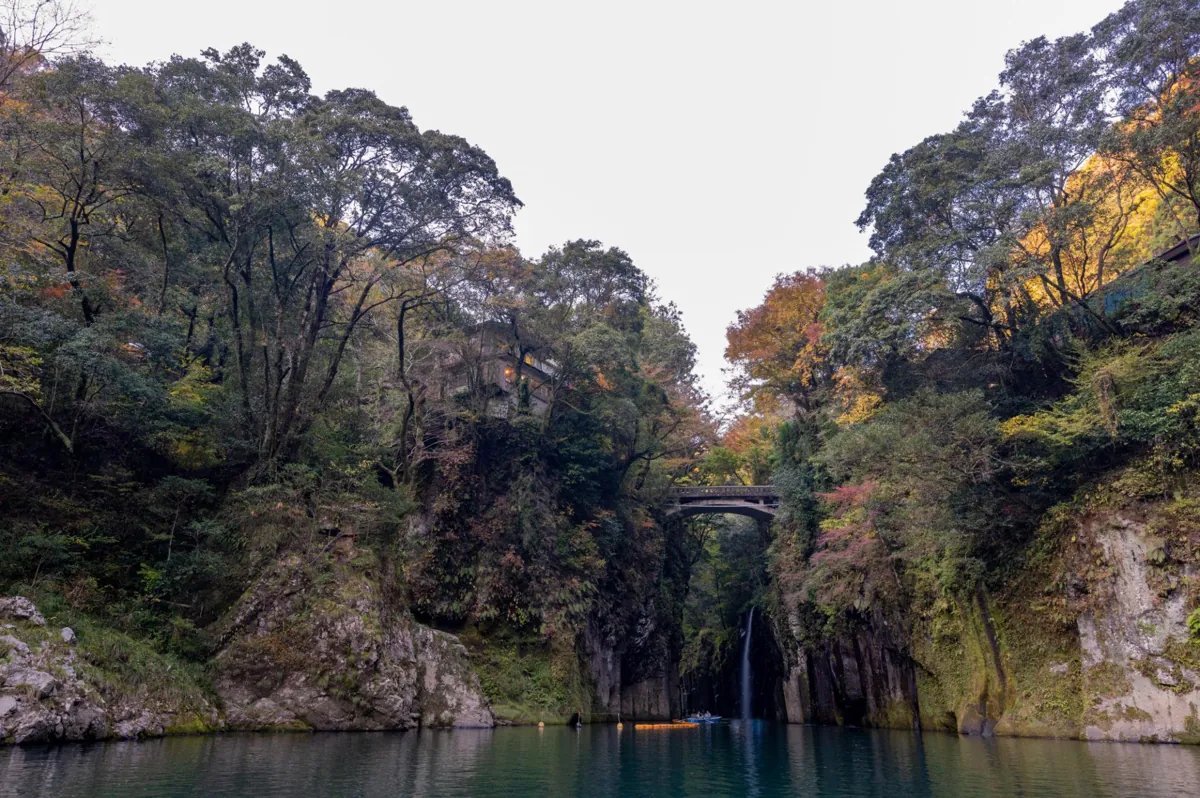
The area's most famous attraction, Takachiho Gorge, features towering volcanic cliffs surrounding emerald-green water. Visitors can rent small boats and paddle beneath waterfalls while taking in some of Japan's most dramatic natural scenery.
Beyond its beauty, Takachiho is also deeply connected to Japanese mythology, adding another layer of fascination to an already unforgettable destination.
How to Get There: Most visitors arrive via bus from Kumamoto or Miyazaki.

7. Iya Valley, Tokushima
Tucked away in the mountains of Shikoku, Iya Valley feels worlds away from modern city life.
The valley's winding roads, dramatic mountain views, and traditional villages create a sense of adventure that many visitors don't expect to find in Japan. Its famous vine bridges, originally built centuries ago, continue to attract travelers from around the world.
For those seeking a more rugged and scenic side of Japan, Iya Valley is an unforgettable destination.
How to Get There: Accessible by train and bus from Tokushima City.
8. Aizuwakamatsu, Fukushima
History enthusiasts often speak highly of Aizuwakamatsu, and for good reason.
The city played a significant role during the final years of the samurai era and remains deeply connected to that history today. Visitors can explore historic sites, museums, and landmarks that help tell the story of one of Japan's most transformative periods.
Unlike some historical destinations that feel frozen in time, Aizuwakamatsu balances preservation with everyday life, giving visitors a deeper appreciation for both the past and present.
How to Get There: Reachable by train through Koriyama from Tokyo.

9. Shodoshima, Kagawa
Located within the Seto Inland Sea, Shodoshima surprises many visitors with its unique atmosphere.
The island is famous for its olive groves, scenic coastlines, and peaceful pace of life. Some travelers even compare parts of Shodoshima to Mediterranean destinations because of its landscape and climate.
Whether you're hiking, cycling, or simply enjoying the sea views, the island offers a relaxing escape from the fast pace of Japan's larger cities.
How to Get There: Accessible by ferry from several ports throughout the Seto Inland Sea region.
10. Gujo Hachiman, Gifu
Some destinations are memorable because of famous landmarks. Others are memorable because of how they make you feel. Gujo Hachiman falls into the latter category.
Known for its crystal-clear waterways and charming streets, the town encourages visitors to slow down and enjoy the moment. Water flows through canals woven throughout the community, creating a peaceful atmosphere rarely found in larger cities.
During summer, the famous Gujo Odori dance festival brings the entire town to life and showcases a vibrant cultural tradition that has continued for generations.
How to Get There: Reachable from Nagoya by train and bus.
11. Yugawara, Kanagawa
Overshadowed by neighboring Hakone, Yugawara remains one of Kanagawa's best-kept secrets.
Known for its hot springs and mountain scenery, Yugawara offers visitors the chance to relax in a traditional Japanese onsen town without the larger crowds found elsewhere.
For travelers looking to recharge and experience a quieter side of Japan, Yugawara is an excellent choice.
How to Get There: Directly accessible via the JR Tokaido Line.

12. Aogashima Island
Perhaps the most remote destination on this list is Aogashima.
Located hundreds of kilometers south of Tokyo, this volcanic island sits inside a massive caldera surrounded by the Pacific Ocean. The journey to reach it is part of the adventure, requiring careful planning and favorable weather conditions.
Those who make the trip are rewarded with stunning landscapes, incredible stargazing opportunities, and an experience unlike anywhere else in Japan.
How to Get There: Typically reached through ferry or helicopter connections from Hachijojima.
Why Travel Matters
At New To Education, we believe some of life's most valuable lessons happen outside the classroom.
Travel allows us to experience different cultures, perspectives, traditions, and ways of life. It encourages curiosity, adaptability, and a deeper understanding of the world around us. Whether you're learning a new language, exploring history firsthand, or simply stepping outside your comfort zone, travel can be one of the most powerful educational experiences available.
The destinations on this list remind us that learning can happen anywhere from a mountain village in Shikoku to a fishing town in Kanagawa.
Frequently Asked Questions
What is the most underrated place in Japan?
Many travelers consider Takachiho, Iya Valley, and Shodoshima among Japan's most underrated destinations due to their beauty and relatively low visitor numbers.
Are these hidden destinations difficult to reach?
Some require additional planning, but most are accessible by train, bus, ferry, or a combination of transportation options.
Should first-time visitors only visit Tokyo and Kyoto?
Not at all. While Tokyo and Kyoto are excellent starting points, adding a smaller destination often provides a richer and more authentic experience.
What is the best season to visit these destinations?
Spring and autumn are generally considered the most comfortable seasons, although each destination offers something special throughout the year.
Final Thoughts
Living in Japan has taught me that some of the country's most memorable places aren't necessarily the ones that appear on postcards or dominate social media feeds. More often, they're the small towns, hidden islands, and quiet communities where you can slow down, explore, and experience everyday life.
Tokyo, Kyoto, and Japan's other famous destinations will always be worth visiting. But if you have the opportunity, I encourage you to leave room in your itinerary for places that aren't always listed at the top of travel guides. You may discover that your favorite memories come from destinations you had never heard of before arriving.
Have you visited any of these hidden gems? Let us know in the comments and share your own recommendations for travelers exploring Japan.