



Discover Onomichi, Japan, a scenic port city in Hiroshima Prefecture known for hillside temples, narrow streets, local cats, Onomichi ramen, and access to the Shimanami Kaido cycling route.
Editorial Note
This guide is intended to help readers plan an informed and respectful visit to Onomichi. Transportation schedules, admission fees, bicycle-rental conditions, opening hours, and local business information can change, so travelers should confirm the latest details through official sources before departing.
New To Education has not received payment to promote the destinations, attractions, restaurants, or organizations discussed in this article.
Onomichi Offers a Slower Side of Japan
Japan’s largest destinations tend to announce themselves immediately.
Tokyo surrounds visitors with towers, crowds, trains, and seemingly endless neighborhoods. Osaka draws people in through food and nightlife. Kyoto presents some of the country’s most recognizable temples, gardens, and preserved streets.
Onomichi is quieter.
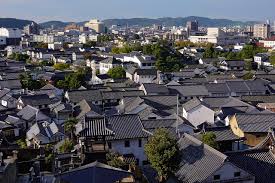
Located in eastern Hiroshima Prefecture along the Seto Inland Sea, Onomichi is a compact port city built between the waterfront and a steep hillside. Houses, temples, stairways, cafés, railway tracks, shopping streets, and small neighborhood paths occupy a relatively narrow strip of land.
The city’s appeal does not come from one enormous landmark. It comes from the way its different parts fit together.
You may climb a stone staircase and unexpectedly reach a temple courtyard. A narrow lane may lead past an old wooden house, a neighborhood cat, a tiny gallery, or a view across the Onomichi Channel. Ferries move between the mainland and nearby islands while trains pass close to the waterfront below.
Official tourism material describes Onomichi as a slender hillside city where mountains meet the coastline, with houses and long-established temples built along its slopes.
That geography gives Onomichi a personality that feels intimate rather than overwhelming.
Why Onomichi Is Worth Visiting
Onomichi is a strong destination for travelers who enjoy walking, photography, architecture, local food, coastal scenery, cycling, or cultural exploration.
It also works well for people who have already visited Japan’s biggest cities and want to experience somewhere with a more regional rhythm.
The city is known for its retro streets, hillside temples, cats, shopping arcade, local cafés, and its position as the Honshu gateway to the Shimanami Kaido.
Unlike a destination built around a rigid list of major attractions, Onomichi rewards wandering. The experience often comes from what happens between the named places: the sound of a train below a temple, a small garden beside a staircase, an old storefront, or a sudden view of the water between two houses.
That makes it especially suitable for travelers who do not want every hour of their trip scheduled.
Start at Senkoji Park
One of the best places to begin exploring Onomichi is Senkoji Park.
The park sits above the city and offers views over the Onomichi Channel, surrounding neighborhoods, nearby islands, and the Seto Inland Sea. Visitors can reach the upper area on foot or by using the Mt. Senkoji Ropeway.
The official ropeway site describes the journey as a three-minute ride from the foot of the mountain to the upper station, with views over Onomichi and the waterway.
Beginning at the top and gradually walking downhill can make the visit more manageable, particularly for travelers who do not want to climb the full hillside from the waterfront.
The ropeway also gives visitors an immediate understanding of the city’s geography. From above, it becomes clear how tightly Onomichi is positioned between the hills and the water.
The current official tourism listing states that the ropeway normally departs every 15 minutes during operating hours. Fares and hours should still be checked shortly before visiting because these details can change.
Visit Senkoji Temple
Senkoji Temple is one of Onomichi’s best-known religious sites and an important part of the hillside experience.
The temple is positioned above the city, creating a striking relationship between religious architecture, rock formations, rooftops, the railway, and the water below.
Rather than treating the temple as a quick photo stop, visitors should take time to observe how it fits into the surrounding landscape. The city’s temples are not separated from daily life in the way a large, isolated tourist complex might be. Many sit close to residential buildings, narrow paths, cemeteries, gardens, and local streets.
This is one reason Onomichi feels different from more heavily concentrated temple districts. Spiritual, historic, and residential spaces overlap throughout the hillside.
Visitors should remember that Senkoji remains a religious site. Speaking quietly, following posted photography rules, and avoiding blocked entrances or worship areas are simple ways to show respect.
Walk Through Onomichi’s Temple District
Onomichi has a long-established temple walk that connects religious sites along the hillside.
Visit Shimanami describes a roughly three-kilometer route connecting 25 temples, while a shorter seven-temple pilgrimage provides another way to experience the city’s spiritual and architectural history.
Travelers do not need to complete every stop to appreciate the route.
A more relaxed approach may be better for most visitors. Choose several temples, follow the marked paths, and leave time to notice the houses, stairways, stone walls, gardens, and viewpoints between them.
The routes reveal how Onomichi developed vertically. The waterfront served the city’s commercial and transportation needs, while temples and residential areas spread across the slopes above.
For students and families, this provides a useful real-world lesson in geography, urban development, architecture, religion, and community history.
Explore Cat Alley
One of Onomichi’s most recognizable locations is Neko no Hosomichi, commonly called Cat Alley.
The narrow path is approximately 200 meters long and contains cat-themed sculptures, paintings, decorations, and artwork.
Visitors may also encounter actual neighborhood cats, but they should not arrive expecting a controlled animal attraction.
Cat Alley is still part of a living neighborhood. The animals appear according to their own routines, and there is no guarantee that visitors will see a particular number of them.
That unpredictability is part of the experience.
The area’s appeal comes from the combination of art, old buildings, steep pathways, cafés, vegetation, and the city’s retro atmosphere. Official tourism material notes that Cat Alley begins near the ropeway area and passes cafés and galleries as it climbs the hillside.
Visitors should avoid chasing, feeding, cornering, or disturbing the cats. They should also be thoughtful when photographing homes and private property.
A quiet neighborhood should not have to become a film set simply because it is visually interesting.
Take Time to Notice the Architecture
Onomichi’s older buildings are a major part of the city’s character.
Some appear carefully maintained. Others show visible signs of age. A number have been adapted into cafés, galleries, guesthouses, shops, and creative spaces.
This creates an interesting contrast between preservation and reuse.
Travelers can see how older structures continue to serve modern purposes without being completely stripped of their original identity. In some cases, renovated buildings help bring economic activity back to areas that might otherwise decline.
This makes Onomichi useful as more than a sightseeing destination. It can encourage conversations about population change, aging communities, vacant homes, tourism, preservation, and regional development in Japan.
Not every old building needs to become a museum. Sometimes survival depends on allowing a structure to serve a new purpose.
Walk Through the Shopping Arcade
The flatter area near the waterfront has a different energy from the hillside.
Onomichi’s covered shopping arcade stretches for approximately 1.1 kilometers and contains local stores, restaurants, cafés, and older commercial buildings.
The arcade is useful during hot, rainy, or especially sunny weather because it provides some protection from the elements.
It also gives visitors an opportunity to support local businesses rather than spending the entire day moving between major attractions.
Some parts of the shopping district feel nostalgic, while others show how the city is adapting to newer forms of tourism and entrepreneurship. Traditional businesses may sit near contemporary cafés, design stores, bicycle facilities, or renovated spaces.
This mixture is one of the more interesting things about Onomichi. The city does not feel frozen in the past, but neither has it completely removed the signs of its history.
Spend Time Along the Waterfront
The waterfront helps explain why Onomichi developed where it did.
Ferries cross the channel, bicycles move toward the Shimanami Kaido, trains run nearby, and travelers can look across toward Mukaishima.
The water is not simply a scenic backdrop. It remains part of the city’s transportation system and daily rhythm.
Walking near the station and waterfront can provide a welcome break after navigating the hillside. It is flatter, easier to explore, and gives visitors a different perspective on the city.
Watching ferries cross the narrow channel also helps visitors understand how closely Onomichi is connected to the surrounding islands.
For travelers with limited mobility, the waterfront and shopping district may be considerably easier to experience than the steep temple paths.
Try Onomichi Ramen
Onomichi ramen is the city’s best-known local dish.
It is generally associated with a soy sauce-based broth, noodles, pork, and pieces of pork back fat that give the soup a richer texture. Recipes vary by restaurant, so one bowl should not be treated as the single definitive version.
Popular ramen shops may develop lines during lunch periods, weekends, and holidays.
Travelers do not necessarily need to wait at the most famous restaurant to have a good meal. Onomichi contains multiple ramen shops, and a less-publicized local option may provide a more relaxed experience.
Food is also a useful way to understand a destination.
Regional dishes often reflect local ingredients, working traditions, transportation networks, climate, affordability, and the tastes of the communities that created them.
Eating local ramen may seem like a simple part of the trip, but it connects visitors to the city in a way that a convenience-store lunch eaten in a hurry may not.
Use Onomichi as the Starting Point for the Shimanami Kaido
Onomichi is widely known as the Honshu starting point for the Shimanami Kaido.
The cycling route connects Onomichi in Hiroshima Prefecture with Imabari in Ehime Prefecture on Shikoku. The full recommended cycling route is approximately 70 kilometers and crosses several islands in the Seto Inland Sea.
A painted blue line helps cyclists follow the recommended route between Onomichi and Imabari. The area also includes cyclist-friendly rest locations, rental services, repair support, and accommodation options.
The route is internationally recognized for its combination of coastal scenery, island communities, bridges, and cycling infrastructure.
However, travelers should not underestimate it.
Visit Shimanami advises recreational cyclists using standard rental bicycles to plan around an average pace of approximately 10 kilometers per hour. Beginners and slower riders may need as long as ten hours for the full route once breaks, meals, photographs, and sightseeing are included.
Completing the entire route in one day is possible, but it is not required.
You Do Not Need to Cycle the Entire Route
A common mistake is assuming that the Shimanami Kaido is only worthwhile for serious cyclists.
Travelers can rent a bicycle and explore a shorter portion of the route. They may cross by ferry to Mukaishima, ride part of the island, stop at a café, enjoy the coastal scenery, and return to Onomichi.
Rental fleets may include city bicycles, cross bikes, battery-assisted bicycles, and sports-style electric bicycles, although availability varies.
The right option depends on the rider’s fitness, experience, schedule, and confidence.
A shorter ride can be more enjoyable than forcing the entire journey into an unrealistic timetable. This is particularly true during summer, when heat, humidity, direct sunlight, and limited shade can make physical activity more demanding.
Travelers planning a longer ride should begin early, carry water, use sun protection, and confirm bicycle-return rules in advance.
Onomichi Is Still Worth Visiting Without a Bicycle
Onomichi is not merely a waiting room for the Shimanami Kaido.
A full day can easily be spent exploring Senkoji Park, the temple district, Cat Alley, the shopping arcade, local restaurants, small cafés, and the waterfront.
Visitors who prefer architecture, photography, food, history, or relaxed walking may enjoy central Onomichi more than a long bicycle ride.
A simple day could begin with the ropeway, continue downhill through Senkoji and the temple paths, include lunch in the shopping district, and end beside the waterfront.
That plan offers variety without requiring visitors to rush.
A Suggested One-Day Onomichi Itinerary
Begin in the morning near Onomichi Station and walk toward the lower ropeway station.
Ride the Mt. Senkoji Ropeway to the upper area, enjoy the viewpoint, and visit Senkoji Park and Senkoji Temple.
From there, gradually descend through the hillside paths. Follow part of the temple route, explore Cat Alley, and stop at a café or gallery when something catches your attention.
Reach the lower commercial area around lunchtime and try Onomichi ramen or another local meal.
Spend the afternoon walking through the covered shopping arcade and along the waterfront. Travelers with more energy could take a short ferry ride or rent a bicycle for a limited ride on Mukaishima.
The day should remain flexible. Onomichi works best when there is room to stop rather than an obligation to complete every attraction.
A Suggested Two-Day Visit
Staying overnight allows travelers to experience Onomichi at a slower pace.
On the first day, focus on the city itself: Senkoji, hillside temples, Cat Alley, cafés, shopping streets, and the waterfront.
On the second day, rent a bicycle and explore part of the Shimanami Kaido. More experienced riders could begin a longer journey toward the islands or Imabari.
Visit Shimanami recommends two- and three-day itineraries for travelers who want more time to enjoy the route and surrounding islands rather than treating it only as an endurance challenge.
An overnight visit also allows travelers to see the city during quieter morning and evening hours.
When Is the Best Time to Visit Onomichi?
Spring and autumn generally provide the most comfortable conditions for hillside walking and cycling.
Senkoji Park is known for its spring cherry blossoms, and official regional tourism materials highlight the seasonal scenery around the park and temple routes.
Summer can produce beautiful blue skies and strong coastal views, but heat and humidity make the stairs and cycling route more physically demanding.
Visitors traveling in summer should begin outdoor activities early, rest frequently, carry water, and pay attention to heat advisories.
Winter may offer a quieter atmosphere and fewer crowds, although colder temperatures and coastal wind can affect comfort.
Comfortable shoes are important in every season. The hillside includes stone steps, slopes, narrow lanes, and uneven surfaces.
Onomichi is charming, but the stairs have absolutely no sympathy for fashionable footwear.
Accessibility and Mobility Considerations
Onomichi’s most atmospheric hillside areas can be difficult for travelers with limited mobility.
Many paths are steep, narrow, uneven, or accessible only by stairs. The ropeway reduces the need for a full uphill climb, but it does not make every temple, alley, or viewpoint accessible.
Visitors who prefer flatter terrain can focus on the station area, waterfront, covered shopping arcade, restaurants, and ferry terminals.
Older travelers, families with young children, and anyone managing joint, balance, stamina, or mobility concerns should plan conservatively.
There is no prize for completing every staircase.
A shorter and more comfortable day is usually better than an ambitious route that becomes physically exhausting.
How to Reach Onomichi
Travelers arriving by rail should pay attention to the difference between Onomichi Station and Shin-Onomichi Station.
Central Onomichi Station is close to the waterfront, shopping streets, ferry services, and many of the city’s main walking areas.
Shin-Onomichi Station serves the Shinkansen but is located away from the central waterfront area. Travelers arriving there will generally need additional local transportation.
JNTO’s access guidance suggests traveling by Shinkansen to Fukuyama and transferring to the JR Sanyo Line for central Onomichi Station. Senkoji Park is approximately a 20-minute walk from Onomichi Station, depending on pace and route.
Travelers should check current train schedules and transfer information before departure.
What Onomichi Can Teach Travelers
Onomichi is an excellent example of educational travel because the city encourages visitors to examine how geography influences daily life.
Its narrow position between hills and water shaped where people built homes, temples, businesses, railway lines, roads, and ferry connections.
The city also offers lessons in preservation and adaptation. Older buildings remain visible, but many have taken on new roles as cafés, galleries, accommodation, or creative spaces.
Visitors can also consider how tourism changes smaller communities.
Cycling brings international attention and economic activity. Renovated buildings attract new businesses. Social media draws visitors toward cats, alleys, temples, and viewpoints. At the same time, residents still need privacy, safe paths, affordable housing, and neighborhoods that function normally.
Responsible tourism means recognizing that a beautiful place is also someone else’s home.
Key Takeaways
Onomichi offers a quieter and more intimate alternative to Japan’s largest tourism centers. Its character comes from the relationship between the hillside, temples, narrow streets, cats, older buildings, shopping district, railway, ferries, and the Seto Inland Sea.
Visitors can enjoy the city without cycling, although Onomichi is also an excellent starting point for exploring part or all of the approximately 70-kilometer Shimanami Kaido.
The best approach is to leave room for wandering. Begin above the city, walk downhill gradually, try local food, support small businesses, respect residential spaces, and avoid turning the day into a race between attractions.
Frequently Asked Questions
Is Onomichi worth visiting without cycling?
Yes. Senkoji Park, Senkoji Temple, Cat Alley, the hillside paths, shopping arcade, waterfront, cafés, and local restaurants can fill an entire day.
Can Onomichi be visited as a day trip?
Yes. A day trip is realistic for central Onomichi. Staying overnight is better for travelers who want to cycle, explore the city slowly, or visit nearby islands.
Is Onomichi difficult to walk around?
Parts of the hillside are physically demanding because of steep slopes, stone steps, narrow paths, and uneven surfaces. The ropeway can reduce uphill walking.
Are there always cats in Cat Alley?
No. Visitors may see cats, but Cat Alley is a neighborhood path rather than a controlled animal attraction. The cat artwork and retro atmosphere remain enjoyable even when few animals are present.
How long is the Shimanami Kaido?
The official recommended cycling route between Onomichi and Imabari is approximately 70 kilometers.
Can beginners ride part of the Shimanami Kaido?
Yes. Beginners can complete a shorter ride around Mukaishima or another nearby section rather than attempting the entire route.
How many days should travelers spend in Onomichi?
One day is sufficient for the main city sights. Two days provide a better balance for travelers who also want to cycle or explore the islands.
Support New To Education
New To Education creates travel, cultural, educational, career, business, and community-focused content designed to help readers learn from the world around them.
Readers can support our work by sharing this article, exploring our educational services, booking with one of our tutors, joining the New To Education community, or contributing through the support options available on our website.
Every visit, share, booking, and contribution helps us continue producing useful resources for educators, students, families, professionals, and travelers.
Related Articles
Kurashiki Travel Guide: Canals, Art, Denim, and a Slower Side of Japan
Matsue Travel Guide: Discover Japan’s Quiet City of Water, Castles, and Sunsets
Final Thoughts
Onomichi does not demand attention in the way Japan’s largest cities do.
It earns attention gradually.
A view appears between two houses. A train passes below a temple. A ferry crosses the channel. A cat rests beside an old wall. A narrow staircase leads somewhere that was not part of the original plan.
Individually, these moments may seem small. Together, they create a destination that feels personal and memorable.
Japan’s famous cities deserve their reputations, but destinations such as Onomichi remind travelers that a meaningful journey does not always require enormous landmarks or a packed schedule.
Sometimes the best place is the one that gives you enough time and space to notice where you are.
Sources
Japan National Tourism Organization — Onomichi City
https://www.japan.travel/en/japans-local-treasures/onomichi-city-2020/
Japan National Tourism Organization — Onomichi and Fukuyama
https://www.japan.travel/en/destinations/chugoku/hiroshima/onomichi-and-fukuyama/
Japan National Tourism Organization — Senkoji Park
https://www.japan.travel/en/spot/877/
Japan National Tourism Organization — Shimanami Kaido, Hiroshima