



Matsue, Shimane, offers one of Japan’s best combinations of original samurai history, peaceful waterways, tea culture, traditional sweets, hot springs, and unforgettable sunsets over Lake Shinji.
Editorial Note
This article highlights Matsue in Shimane Prefecture as a slower and less crowded alternative to Japan’s most heavily visited destinations.
Travel schedules, admission prices, transportation routes, operating hours, and seasonal events can change. Visitors should verify current information through official tourism and attraction websites before traveling.
New To Education does not receive compensation from the locations or organizations discussed in this article.
A Different Kind of Japan Trip
When most people begin planning a trip to Japan, the same cities usually appear first: Tokyo, Kyoto, Osaka, and perhaps Hiroshima.
Those places deserve their popularity, but Japan becomes much more interesting when you leave the most familiar route.
Matsue is a perfect example.
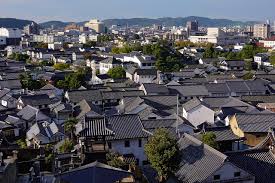
Located in Shimane Prefecture along the Sea of Japan side of western Honshu, Matsue is a historic castle city built around water. It sits beside Lake Shinji, with canals and a castle moat shaping the city’s appearance and pace.
Matsue does not overwhelm visitors with giant shopping districts, packed trains, or an endless list of famous attractions.
Its appeal is quieter.
You can climb through one of Japan’s few surviving original castles, ride a small boat beneath low bridges, walk through an old samurai neighborhood, drink matcha near a traditional garden, and finish the day watching the sun disappear across Lake Shinji.
It is the kind of city that rewards travelers who are willing to slow down.
Why Matsue Is Worth the Journey
Matsue is sometimes called Japan’s City of Water because of its relationship with Lake Shinji, the Ohashi River, canals, and the moat surrounding Matsue Castle.
The city is also the capital of Shimane Prefecture, a region strongly connected to Japanese mythology, ancient shrines, traditional performing arts, and samurai history.
Matsue offers something that can be difficult to find in busier destinations: a real sense of place without the feeling that every street has been transformed for tourism.
The city is large enough to provide hotels, public transportation, museums, restaurants, and cultural attractions, but compact enough that a traveler can explore many of its central sights at a relaxed pace.
Japan’s official tourism organization recommends Matsue for its original castle keep, Lake Shinji sunsets, moat cruises, tea culture, samurai district, and access to nearby destinations such as Izumo.
Matsue Castle Is the Center of the City
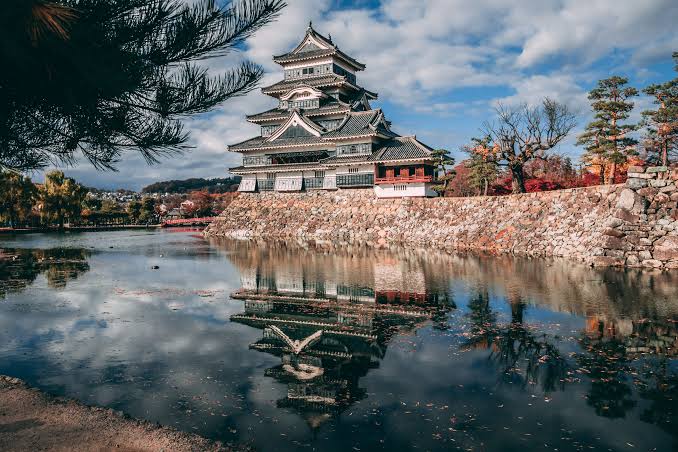
Matsue Castle is the city’s most important landmark.
Japan has many castles, but most of the structures visitors see today are modern reconstructions. Only 12 original castle keeps remain, and Matsue Castle is one of only five designated as National Treasures.
The keep was completed in 1611 and remains a rare example of original wooden castle architecture. From the outside, it appears to have five levels, but the interior contains six floors.
Visitors climb steep wooden staircases through exhibits of armor, weapons, and objects connected to the castle’s history. The final level opens to broad views across Matsue, the surrounding waterways, and Lake Shinji.
The experience feels very different from entering a modern museum inside a reconstructed castle. The uneven floors, heavy beams, narrow stairs, and defensive design make it easier to understand the building as an actual military structure.
Matsue Castle is not only something to photograph from the outside. Exploring the interior is one of the main reasons to visit the city.
Ride Through the Castle Moat
One of Matsue’s most memorable experiences is the Horikawa sightseeing boat ride around the castle moat and surrounding canals.
The small covered boats move slowly past stone walls, trees, historic neighborhoods, and views of the castle keep. Several bridges are extremely low, so the roof of the boat lowers and passengers lean down as it passes underneath.
The ride turns the city into something you experience from water rather than simply walking through it.
In colder weather, some boats use kotatsu-style heating beneath blankets, making the winter journey unusually comfortable. Matsue can receive snow, and the combination of a snow-covered original castle and a warm moat boat creates a scene that is difficult to reproduce elsewhere in Japan.
The boat ride is not fast or dramatic.
That is exactly why it works.
It allows visitors to notice small details they might otherwise miss: reflections on the water, old walls, low branches, traditional buildings, and the way the city developed around the castle.
Walk Through the Samurai District
Near Matsue Castle is Shiomi Nawate, a preserved street associated with the city’s former samurai district.
The area includes traditional residences, museums, old trees, narrow waterways, and historic architecture. It is one of the best places in Matsue for walking without a strict schedule.
The former home of Lafcadio Hearn is located here.
Hearn was a Greek-Irish writer who lived in Japan during the late nineteenth century and became known in Japan as Koizumi Yakumo. His writing introduced many international readers to Japanese customs, ghost stories, legends, and daily life.
Matsue preserves both his former residence and a museum dedicated to his work.
His connection to the city adds another layer to Matsue’s identity. The city is not only associated with samurai history but also with the experience of an outsider trying to understand Japan beyond its surface.
That makes Matsue especially fitting for travelers interested in culture, education, literature, and how Japan has been interpreted internationally.
Matsue Has One of Japan’s Strongest Tea Cultures
Many travelers associate Japanese tea culture primarily with Kyoto.
Matsue deserves to be part of that conversation.
The city’s tea tradition was strongly influenced by Matsudaira Harusato, a feudal lord and respected tea master commonly known as Lord Fumai.
His influence helped establish Matsue as a center for matcha, tea ceremony, and wagashi—traditional Japanese sweets usually served alongside tea.
The city remains famous for its carefully crafted sweets and relaxed approach to tea culture.
Meimei-an, a historic tea house near Matsue Castle, allows visitors to enjoy matcha and traditional sweets while looking across a peaceful garden toward the castle area. Japan’s official tourism site describes Matsue’s wagashi culture as comparable in importance to that of Kyoto and Kanazawa.
This is an experience that works even for travelers who know little about formal tea ceremony.
The purpose is not to perform every movement perfectly.
It is to sit down, slow the pace of the day, and appreciate how tea, architecture, gardens, ceramics, and sweets come together.
Visit the Matsue History Museum
The Matsue History Museum is a useful place to visit early in the trip.
Located near the castle moat, the museum explains how the castle town developed and how people lived within it.
Its architecture reflects the traditional buildings that once stood in the area, helping the museum blend naturally into the historic surroundings.
The museum also includes a reconstructed tea space where visitors can enjoy matcha and local wagashi while looking toward a traditional garden and Matsue Castle.
This is one of the best introductions to the city because it connects several themes visitors encounter elsewhere: the castle, feudal leadership, tea culture, local craftsmanship, and the development of the surrounding town.
Lake Shinji Is the Best Place to End the Day
Matsue’s most beautiful attraction may not be a building.
Lake Shinji is a large brackish lake connected to the Sea of Japan through the Nakaumi Lagoon. It is one of Japan’s largest lakes and the defining natural feature of Matsue.
The lake is particularly famous for its sunsets.
As the sun lowers, the water changes from silver to orange, red, and purple. Yomegashima, a small island visible from the shore, often appears as a dark silhouette against the evening sky.
The area near the Shimane Art Museum is one of the most popular viewing points. The museum’s lawn and nearby viewing areas give people space to sit, walk, take photographs, or simply watch the light change.
Matsue’s tourism service even provides a daily sunset index to help visitors estimate the likelihood of a strong sunset.
A Lake Shinji sunset is not something that needs to be rushed.
Arrive early, find a place near the water, and allow the evening to unfold.
In a trip filled with train schedules, reservations, and sightseeing lists, that quiet hour may become one of the moments you remember most.
Try the Food of Shimane
Matsue’s food reflects its connection to both the lake and the wider Izumo region.
One local specialty is Izumo soba, a darker buckwheat noodle commonly served in stacked lacquerware containers known as warigo.
Instead of placing all the dipping sauce in a separate cup, diners often pour it directly over the first serving of noodles, add toppings, and then transfer the remaining sauce to the next layer.
Lake Shinji is also known for shijimi clams, which commonly appear in soups and other local dishes.
Traditional wagashi are another essential part of the Matsue experience. These sweets often change with the seasons and may be shaped to resemble flowers, leaves, snow, or other natural elements.
They are usually delicate, lightly sweet, and designed to balance the bitterness of matcha.
A simple Matsue food day could include Izumo soba for lunch, matcha and wagashi during the afternoon, and a meal featuring local seafood or Lake Shinji ingredients in the evening.
Matsue Is a Good Base for Exploring Shimane
Matsue works well as a destination on its own, but it can also serve as a base for exploring the surrounding region.
Izumo Taisha, one of Japan’s most important Shinto shrines, is accessible from the Matsue area. The shrine is deeply connected to Japan’s mythology and the ancient identity of the Izumo region.
The Adachi Museum of Art, located near Yasugi, is internationally known for its carefully maintained Japanese gardens.
Tamatsukuri Onsen, a traditional hot-spring area, is also close to Matsue and can be reached by train.
Travelers with more time can continue toward the Oki Islands, Iwami Ginzan, or other parts of Shimane Prefecture.
Official tourism information presents Matsue as an effective base for visiting Izumo, the Adachi Museum of Art, hot-spring communities, coastal areas, and historic sites across eastern Shimane.
A Simple Two-Day Matsue Itinerary
Day One: Castle, History, and Water
Begin at Matsue Castle before the area becomes busier.
Take your time climbing the original keep and looking across the city from the upper level.
After leaving the castle, visit the Matsue History Museum and walk through Shiomi Nawate. Stop at the Lafcadio Hearn residence or museum when time allows.
In the afternoon, take the Horikawa boat tour around the moat.
End the day along Lake Shinji. Arrive before sunset and walk near the Shimane Art Museum or the lakeside viewing areas.
Day Two: Tea, Local Food, and a Regional Excursion
Begin with a slower morning near the castle district.
Visit Meimei-an or another local tea room for matcha and wagashi.
Have Izumo soba for lunch.
Use the afternoon for one nearby excursion. Depending on your interests, that could mean Izumo Taisha, the Adachi Museum of Art, or Tamatsukuri Onsen.
Return to Matsue for a relaxed dinner rather than trying to fit another major attraction into the evening.
How to Get to Matsue
Matsue is less direct than Tokyo, Kyoto, or Osaka, but it is not especially difficult to reach.
From Okayama, travelers can take the limited-express Yakumo train to Matsue. The trip takes approximately two and a half to three hours.
Travelers coming from Tokyo can take the Shinkansen to Okayama and then transfer to the Yakumo. The total rail journey is roughly six hours depending on the connection.
Another memorable option is the Sunrise Izumo overnight sleeper train from Tokyo, one of Japan’s few remaining regularly scheduled overnight trains.
Flights also serve nearby Izumo and Yonago airports, with ground transportation connecting the airports to Matsue.
From Shin-Osaka, travelers can take the Shinkansen to Okayama and transfer to the Yakumo for Matsue.
The journey takes longer than traveling between major tourist cities, but that extra distance is part of why Matsue feels less crowded.
When to Visit Matsue
Spring brings cherry blossoms around Matsue Castle and seasonal cultural events.
Summer offers green landscapes and long evenings near Lake Shinji, although the weather can be hot and humid.
Autumn provides comfortable temperatures and changing leaves around the castle and waterways.
Winter may bring snow, creating atmospheric views of the castle and the opportunity to ride a heated moat boat.
There is no single bad season, but autumn and spring may provide the easiest balance of weather, scenery, and outdoor walking.
Travelers visiting during holiday periods or seasonal festivals should reserve accommodations and transportation in advance.
Who Would Enjoy Matsue Most?
Matsue is ideal for travelers who enjoy:
Historic architecture and original castles.
Quiet neighborhoods and slower travel.
Japanese gardens, tea, and traditional sweets.
Literature, mythology, and cultural history.
Waterfront scenery and sunset photography.
Regional food and less crowded destinations.
It may be less suitable for visitors who mainly want nightlife, large shopping districts, theme parks, or a fast-moving urban experience.
Matsue is not trying to compete with Tokyo.
Its value comes from offering something completely different.
Why Travel Beyond Japan’s Famous Cities Matters
Japan’s major destinations receive attention for good reasons.
However, repeatedly visiting only the busiest areas can create a limited picture of the country.
Regional cities reveal how geography, history, food, and community identity change from one part of Japan to another.
Matsue feels different from Tokyo because it developed around a castle, a lake, and the history of the Izumo region.
Its pace reflects its environment.
Traveling there also supports a broader approach to tourism. Rather than placing additional pressure on the same crowded neighborhoods, visitors can spread their time and spending across places that have the infrastructure to welcome them but remain outside the standard international itinerary.
New To Education and Meaningful Travel
Travel can be more than visiting a famous location and taking a photograph.
It can teach history, architecture, religion, geography, food culture, transportation, language, and the ways communities preserve their identity.
Matsue is a strong example of educational travel because its attractions connect naturally.
The castle explains the city’s political history.
The samurai district shows how that society was organized.
The tea houses and wagashi preserve cultural traditions shaped by local leadership.
Lake Shinji explains the city’s geography and daily rhythm.
The area’s myths and nearby shrines connect the region to some of Japan’s oldest stories.
A meaningful trip does not always need the largest attraction.
Sometimes it needs a place quiet enough for the traveler to pay attention.
Key Takeaways
Matsue is the capital of Shimane Prefecture and is often called the City of Water because of Lake Shinji, its rivers, canals, and castle moat.
Matsue Castle is one of only 12 surviving original Japanese castle keeps and one of five designated as National Treasures.
Visitors can explore the castle district by foot or take a boat ride around the historic moat.
Matsue has a respected tea and wagashi culture connected to the legacy of Lord Fumai.
Lake Shinji is especially famous for sunset views near the Shimane Art Museum.
The city can serve as a base for visiting Izumo Taisha, the Adachi Museum of Art, and Tamatsukuri Onsen.
Matsue is best suited to travelers who value history, culture, local food, scenic water, and a slower pace.
FAQ
Where is Matsue?
Matsue is the capital of Shimane Prefecture in Japan’s Chugoku region. It is located along the Sea of Japan side of western Honshu.
Is Matsue worth visiting?
Yes. It is especially worthwhile for travelers interested in original castles, samurai history, tea culture, traditional sweets, waterways, and quiet regional travel.
How many days do you need in Matsue?
Two full days provide enough time to see the castle district, take the moat cruise, experience the tea culture, watch a Lake Shinji sunset, and make one nearby excursion.
Is Matsue Castle original?
Yes. Matsue Castle is one of Japan’s 12 surviving original castle keeps and is designated as a National Treasure.
Is Matsue crowded?
It generally receives fewer international visitors than Tokyo, Kyoto, Osaka, or Hiroshima. Major festivals and cherry-blossom periods can still attract larger crowds.
What food is Matsue known for?
Local specialties include Izumo soba, shijimi clams from Lake Shinji, matcha, and traditional wagashi sweets.
Can you visit Izumo Taisha from Matsue?
Yes. Matsue is commonly used as a base for visiting Izumo and other destinations in eastern Shimane.
What is the best place to watch the sunset?
The lakeside near the Shimane Art Museum is one of the city’s most popular sunset-viewing areas.
Does Matsue receive snow?
Yes. Winter snow is possible, and the castle and moat can become especially atmospheric during snowy conditions.
Is Matsue suitable for families?
Yes. The castle, boat ride, museums, lakeside spaces, and manageable city center can work well for family travel, though the castle’s steep interior stairs may be difficult for some visitors.
Final Thoughts
Matsue is not the Japan destination people usually mention first.
That may be its greatest advantage.
It gives travelers room to experience history without racing through it. The castle feels more powerful because the city still seems connected to it. The tea tastes better because there is time to sit down. The sunset becomes an event because the evening is not crowded with five more attractions.
Matsue reminds us that some of Japan’s best travel experiences are not found by following the most familiar route.
They are found by choosing a place with a strong identity and giving it enough time to reveal itself.
Support New To Education
New To Education publishes travel, education, culture, international living, and professional-development content designed to help readers learn through the world around them.
Readers can support our work by sharing this article, joining the New To Education community, subscribing to updates, exploring our educational and professional services, and using the support options available on our website.
Related Articles
Discover Kamakura: Japan’s Historic Coastal City Filled With Temples and Tradition
https://newtoeducation.com/view-blog/discover-kamakura-japans-historic-coastal-city-filled-with-temples-and-tradition-6a41e2de5781c
12 Hidden Places in Japan Most Tourists Miss—and Why They’re Worth Visiting
https://www.newtoeducation.com/view-blog/12-hidden-places-in-japan-most-tourists-miss-and-why-theyre-worth-visiting-6a23857570a6b
Sources
Japan National Tourism Organization — Matsue and Around
https://www.japan.travel/en/destinations/chugoku/shimane/matsue-and-around/
Japan National Tourism Organization — Matsue Castle
https://www.japan.travel/en/spot/933/
Japan National Tourism Organization — Travel Back in Time in Matsue Castle
https://www.japan.travel/en/experiences-in-japan/1991/
Japan National Tourism Organization — Tea Ceremony Culture in Matsue
https://www.japan.travel/en/japans-local-treasures/tea-ceremony-culture-matsue-2023/
Japan National Tourism Organization — Matsue History Museum
https://www.japan.travel/en/spot/932/
Japan National Tourism Organization — Lake Shinji
https://www.japan.travel/en/spot/1988/
Japan National Tourism Organization — Sunset at Lake Shinji
https://www.japan.travel/en/japans-local-treasures/sunset-lake-shinji-2022/
Japan National Tourism Organization — Shimane Prefecture
https://www.japan.travel/en/destinations/chugoku/shimane/