


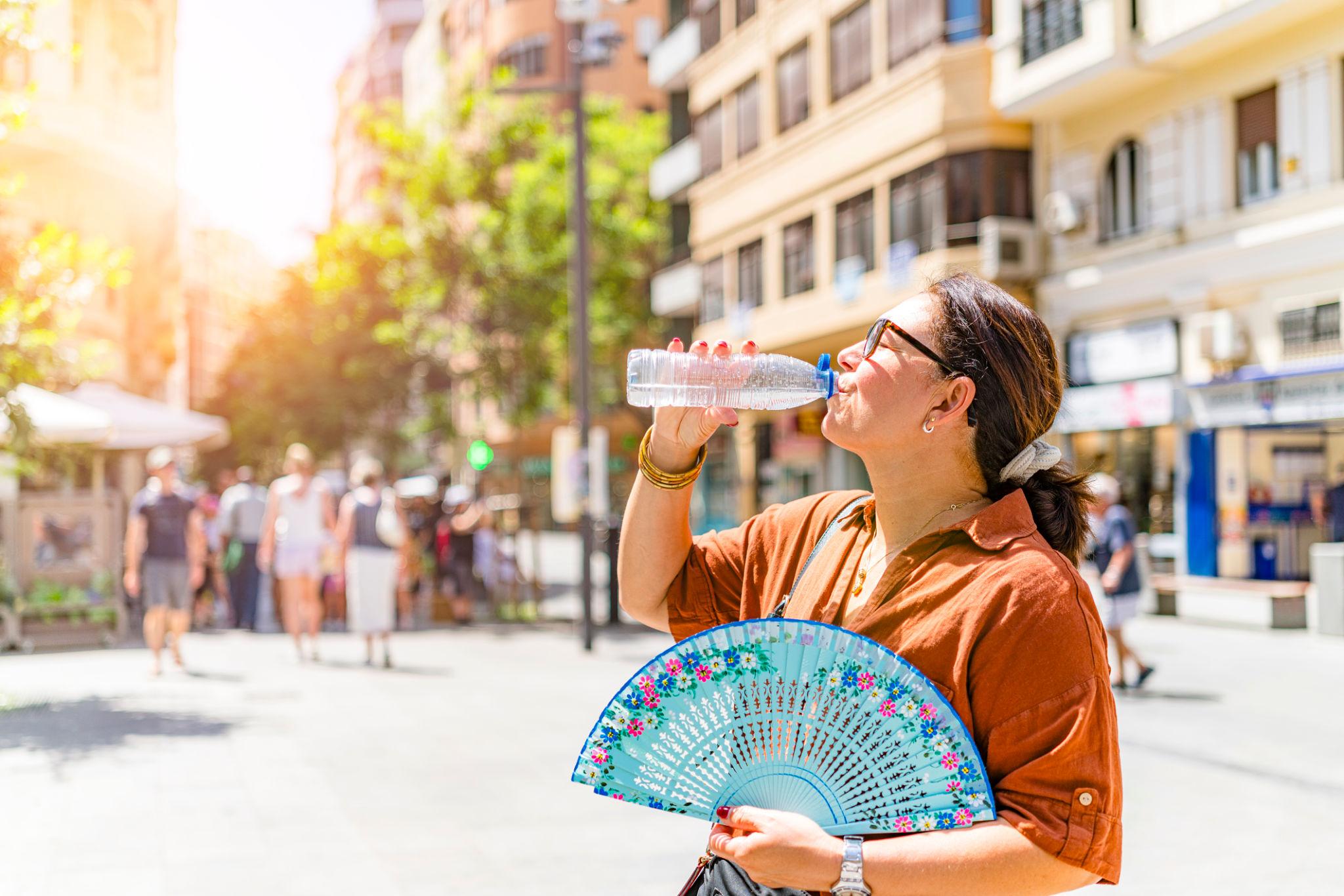
Heat safety advice often sounds obvious: drink water, stay cool, do not overdo it. But the reason heat still causes so many problems every year is that obvious advice is easy to ignore until a day becomes uncomfortable, then exhausting, then risky.
A better approach is to think about heat the way you think about storms or power outages. You do not need panic. You need a plan.
Why heat deserves more respect
The National Weather Service warns that heat can strain the body and worsen existing health conditions. It also emphasizes that some groups face higher risk: infants and young children, older adults, people with chronic medical conditions, and pregnant women.
OSHA adds an important point that many people miss: dangerous heat exposure is not only an outdoor problem and not only a heat-wave problem. It can happen indoors, at work, during exercise, in hot vehicles, or during everyday tasks when the body cannot cool itself fast enough.
That is why a useful heat plan is not just “stay inside.” It is a system for spotting risk early and lowering it.
Start with the people most likely to struggle
Every household should ask the same question first: who in this home would have the hardest time if the temperature kept rising for several hours?
For some families, the answer is an older relative living alone. For others, it is a baby, a pregnant family member, a person taking medication, or someone recovering from illness. For workers, it may be the person spending the most time outdoors or in a hot building. For active households, it may be the athlete who assumes conditioning makes them immune.
Heat safety gets better immediately when you stop treating everyone’s risk as equal.
Build a “hot day routine” before you need it
A strong heat plan is mostly routine, not heroics.
The evening before a hot day, check the forecast and decide whether any errands, workouts, or outdoor jobs should move earlier. Fill water bottles in advance. Make sure fans or cooling equipment actually work. Close blinds or curtains on the sunniest side of the home before rooms heat up. If someone in the household depends on air conditioning, do not wait until the hottest hour to test it.
If you will be outside, reduce intensity where possible. OSHA recommends fluids, more frequent breaks, and adjustments for people who have not recently spent time in hot conditions. That matters because acclimatization is real. A person may feel healthy and still be less prepared than they think.
Learn the warning signs before they escalate
People often miss early heat illness because the first symptoms can feel vague: fatigue, thirst, irritability, dizziness, cramping, headache, or nausea. OSHA notes that serious heat illness can progress to confusion, slurred speech, disorientation, or unconsciousness. That is no longer a “take a break and see how you feel” moment. That is an emergency.
If someone may be experiencing heat stroke, cool them immediately and call 911.
The rule should be simple: if the symptoms affect thinking, awareness, or balance, stop negotiating with the situation.
Your car is part of your heat plan
One of the clearest heat risks is also one of the most preventable. NHTSA says more than 1,000 children have died of heatstroke in hot cars over the past 25 years. Its guidance is blunt: never leave a child in a vehicle unattended for any length of time. Shade and cracked windows do not solve the problem.
The best prevention is habit, not confidence. Check the full vehicle before locking it. Put an important item in the back seat if you need a built-in reminder. Keep keys and fobs out of children’s reach. Lock the car when you are not using it.
Heat safety is not just about weather. It is about routine mistakes in hot conditions.
Do not forget indoor heat
People often imagine heat danger as a sun exposure issue, but indoor heat can be just as stressful, especially for people in older homes, upper-floor apartments, kitchens, warehouses, or poorly ventilated rooms.
If you do not have strong cooling, use the coolest room strategically. Limit oven or stove use during peak afternoon heat when possible. Schedule cleaning, laundry, or physically demanding tasks earlier. Check on anyone who may not mention that they are struggling.
A quiet, overheated room can become dangerous because nobody notices soon enough.
A simple family heat plan
You do not need a laminated emergency binder. You need a short working plan:
- Who needs checking on first?
- What time will outdoor tasks happen?
- Where is the coolest safe place in the home or nearby?
- Who has water ready before leaving?
- What symptoms mean “stop now”?
- Who calls for help if someone becomes confused or collapses?
That is enough to prevent a lot of avoidable trouble.
The bottom line
The most useful heat safety habit is preparation before discomfort begins. When families wait until the day feels unbearable, they are already late. When they plan ahead, reduce exposure, watch vulnerable people closely, and respond early to symptoms, they dramatically lower risk.
You do not need to fear summer. You do need to respect heat.
Wellness Checklist
- Check the forecast the night before very hot days.
- Move outdoor activity earlier when possible.
- Prep water, shade, and cooling before leaving home.
- Identify the highest-risk people in your household.
- Watch for dizziness, cramps, confusion, or unusual fatigue.
- Never leave a child alone in a car.
- Call 911 if heat illness appears severe or affects awareness.