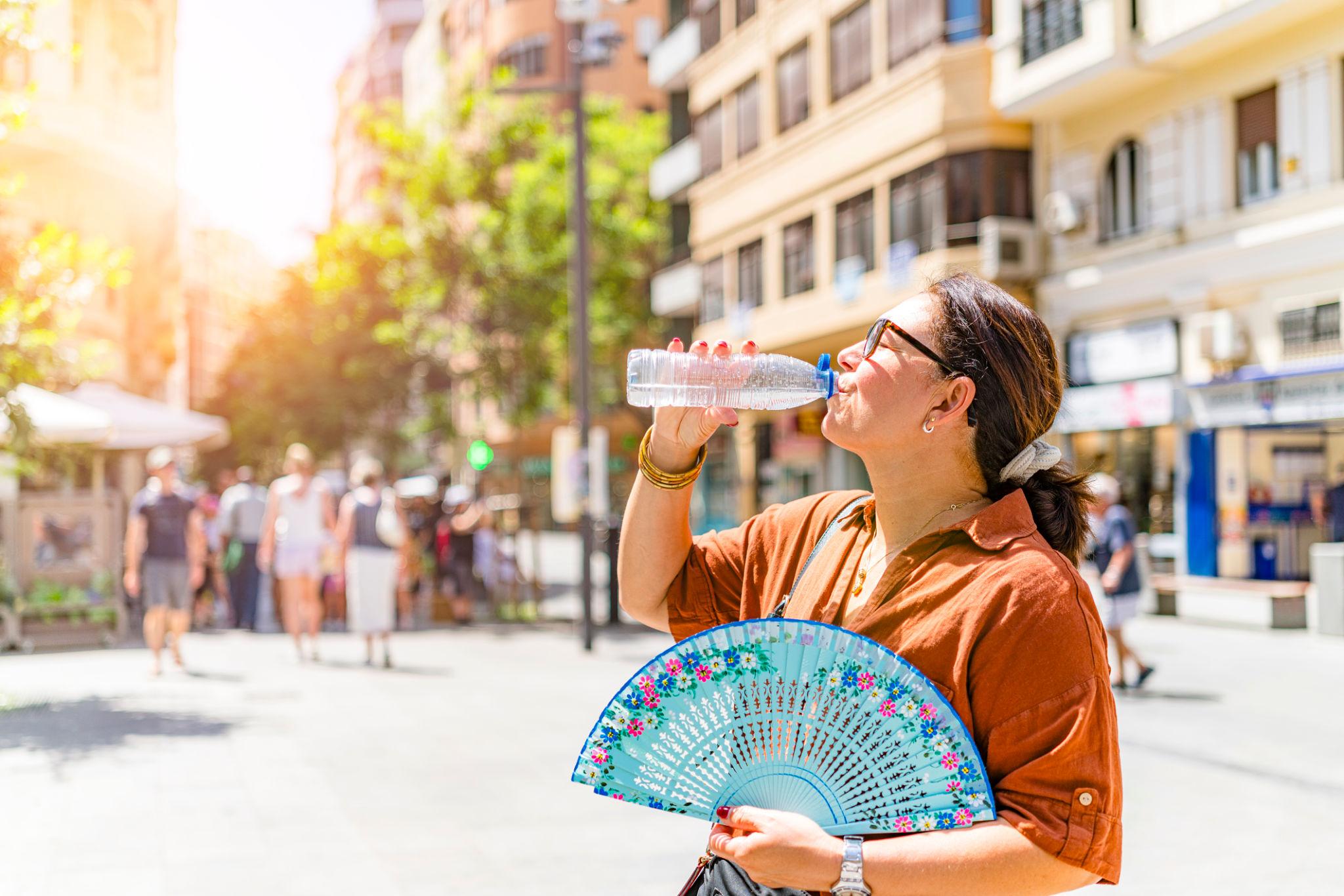



Hot weather makes a lot of people choose between two bad options: push through and feel miserable, or stop moving altogether. Neither is a great plan.
The better approach is to adjust how you move, work, and recover when temperatures and humidity rise. That matters because heat illness is not just about dramatic worst-case scenarios. It often starts with smaller mistakes: going out too late in the morning, underestimating humidity, skipping fluids, wearing the wrong clothes, or assuming yesterday’s tolerance means today will be fine too.
According to the Occupational Safety and Health Administration, heat-related illness is preventable, but risk rises when hard physical activity, hot conditions, poor acclimatization, and limited cooling all combine. NIH MedlinePlus also notes that older adults, young children, some medications, illness, and alcohol can increase the chance that a normal summer day turns into a health problem.
Here is the practical version: summer is not the season to prove how tough you are. It is the season to get more strategic.
Start by respecting the real risk factors
People often talk about “the temperature” as if that is the whole story. It is not.
OSHA highlights several factors that shape heat stress: physical activity, air temperature, humidity, sunlight, airflow, nearby heat sources, and clothing that makes it harder for your body to cool itself. That is why a 90-degree day can feel manageable in one situation and brutal in another.
A short walk in the shade is different from running in direct sun. Yard work is different from sitting at a sports practice. A delivery shift in a vehicle is different from lifting boxes in a warehouse.
Instead of asking, “Is it hot today?” ask better questions:
- How intense is the activity?
- Am I in direct sun?
- Is the air humid and still?
- Am I wearing clothing or gear that traps heat?
- Have I actually adapted to these conditions yet?
That small mental shift usually leads to better decisions.
Build an acclimatization plan, not a hero plan
One of OSHA’s clearest points is that people who have not spent much recent time in hot conditions need time to build tolerance. In practice, that means your body often needs a gradual ramp-up rather than a sudden return to intense summer effort.
If you are restarting outdoor exercise, coaching camps, commuting by bike, or handling physically demanding work, the first few days matter most. This is when shorter sessions, slower pacing, more breaks, and deliberate hydration help.
A good rule is simple: let your body earn the harder days.
That might mean:
- walking instead of running for the first several hot outings
- moving workouts earlier in the day
- taking planned breaks before you feel wiped out
- reducing the duration of yard work or sports drills
- treating humidity as a reason to scale back, not ignore the plan
This is not laziness. It is how you stay consistent.
Hydration is necessary, but it is not the whole strategy
People know they should drink water, but many still treat hydration like an emergency fix instead of a basic routine. By the time you feel awful, you are already behind.
OSHA advises adequate fluids during hot conditions. MedlinePlus also points to drinking fluids and replacing lost salt and minerals as part of lowering heat-illness risk. But hydration works best when paired with pacing, shade, and timing.
A practical hydration routine looks like this:
- start the day reasonably hydrated
- drink before extended outdoor activity, not only after
- keep fluids easy to reach
- use longer or harder sessions as a cue to increase structure
- remember that alcohol can increase risk
You also need to be honest about what hydration cannot do. Water does not cancel out direct afternoon sun, intense pace, poor sleep, or clothing that traps heat.
Learn the difference between discomfort and danger
Summer activity is supposed to feel warmer. That does not mean every warning sign should be brushed off.
MedlinePlus describes heat exhaustion as something that can happen after high temperatures and not enough fluids, with symptoms such as heavy sweating, rapid breathing, and a fast weak pulse. It also notes that heat stroke is life-threatening and may involve confusion, nausea, dizziness, and very high body temperature.
OSHA is even more direct: mental dysfunction such as confusion, disorientation, slurred speech, or unconsciousness can signal heat stroke, and emergency help is needed.
That matters because many people normalize symptoms that should stop the activity immediately.
Take a break and cool down early if you notice:
- unusual dizziness
- sudden weakness
- nausea
- cramps
- headache
- heavy fatigue that feels different from a normal workout
Treat confusion, collapse, or altered mental status as an emergency.
Use the environment better
You do not need a perfect gym membership or expensive equipment to reduce heat risk. Often the best changes are logistical.
Move the same activity to:
- earlier in the morning
- a shaded route
- an indoor setting with airflow
- a split schedule with shorter sessions
- a cooler part of the week
Clothing helps too. Light, breathable clothing is not a fashion tip here. It is part of heat management. The same is true for planning errands so you are not spending extra time in parked cars, lines, or paved lots during peak heat.
The National Weather Service’s heat-safety materials also emphasize risk in multiple settings, including home, outdoor spaces, and vehicles. That reminder matters for families. Heat safety is not only for athletes or outdoor workers. It applies to kids at practice, grandparents at events, and adults doing routine daily tasks.
Make a lower-risk summer routine you can actually maintain
The smartest summer health plan is not the most aggressive one. It is the one you can repeat safely.
A sustainable hot-weather routine often includes:
- a morning movement window
- a backup indoor option
- a water habit tied to activity
- permission to shorten the session
- a recovery plan that includes cooling down, rest, and food
This kind of routine protects consistency. You are much more likely to keep walking, training, gardening, or working well if you stop turning every hot day into a test.
Final thought
Summer health is not about hiding indoors for three months. It is about adjusting early enough that you do not pay for stubborn decisions later.
If you respect heat, pace yourself, build tolerance gradually, and act quickly when symptoms show up, you can stay active without making hot weather harder than it already is.
Professional-care note: This article is for general education only and is not personal medical advice. If you have a medical condition, take medications that may affect heat tolerance, or have had prior heat illness, consult a qualified health professional for individualized guidance.
Practical Checklist
- Check the day’s temperature and humidity before outdoor activity.
- Move strenuous activity earlier or shorten it when heat risk is higher.
- Build back into hot-weather activity gradually.
- Drink fluids before and during longer outdoor effort.
- Use shade, airflow, and lighter clothing whenever possible.
- Watch for dizziness, nausea, cramps, unusual fatigue, or headache.
- Treat confusion, collapse, or disorientation in the heat as an emergency.
- Use a lower-risk plan for children, older adults, and people with health conditions.
Sources
- OSHA Heat Exposure Overview: https://www.osha.gov/heat-exposure
- National Weather Service Heat Safety: https://www.weather.gov/safety/heat
- NIH MedlinePlus Heat Illness: https://medlineplus.gov/heatillness.html