


If your budget feels tighter even though you are trying to do the right things, you are not imagining it. In June 2026, the Federal Reserve is still holding rates at a relatively elevated range, and consumer prices have not fully settled back into an easy-cost environment. Energy moved up sharply in the latest CPI report, shelter is still climbing, and ordinary interruptions like a car repair or medical bill can easily knock a family off course.
That is why one of the most common personal-finance questions deserves a more practical answer: should you build an emergency fund first, or should you focus on paying off debt?
The best answer for most people is neither extreme. Build a small layer of cash protection first, then attack expensive debt hard while continuing to save steadily.
Why this question matters more in 2026
When interest rates are higher, debt becomes more punishing. Credit card balances, personal loans, and some variable-rate borrowing can drain a budget faster because more of each payment goes to interest. At the same time, when inflation still shows up in necessities like energy and shelter, it becomes harder to absorb surprise expenses out of normal monthly cash flow.
That combination creates a trap. If you put every extra dollar toward debt and keep no savings at all, the next emergency can push you right back onto a credit card. But if you save too aggressively while ignoring high-interest debt, you may lose ground because interest charges keep compounding.
The goal is not ideological purity. The goal is fewer reversals.
Step 1: Build a “panic buffer” before chasing optimization
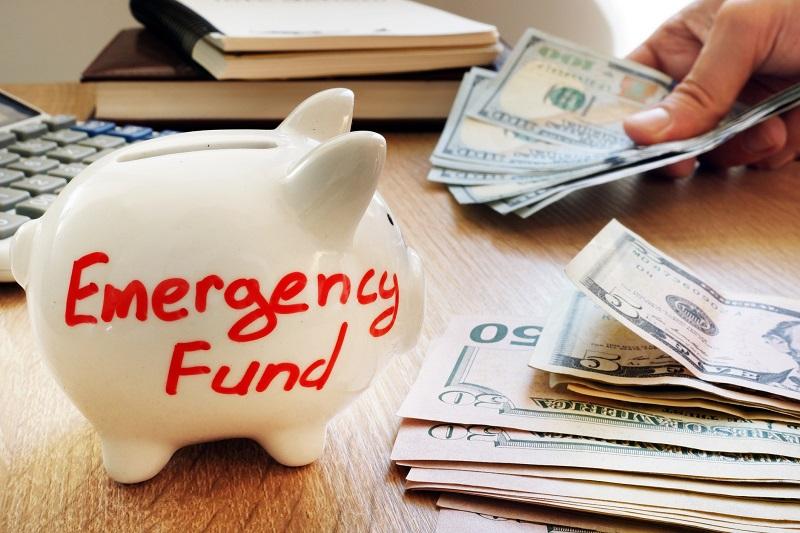
The CFPB’s guidance is useful here because it avoids fantasy budgeting. It recognizes that even a small emergency fund helps. That first savings goal does not need to be impressive. It needs to be available.
Think of this first layer as your panic buffer. It is the money that keeps a surprise expense from instantly becoming new debt. For some households, that might be enough to cover one urgent car repair, one travel emergency, or a few days of groceries after a work disruption. The exact number depends on your life, but the principle is the same: get some cash between you and chaos.
If you currently have zero emergency savings, this step should come before aggressive debt overpayments in most cases.
Step 2: Sort debt by danger, not emotion
After you have a basic cash cushion, stop treating all debt as morally identical.
Some debt is expensive and destabilizing. Credit cards, payday-style borrowing, and high-rate unsecured loans can keep a household stuck. Those balances usually deserve the most aggressive payoff focus.
Other obligations may still matter, but they are not equally urgent. A lower-rate fixed loan is often easier to manage while you keep building resilience. That does not mean ignoring it. It means ranking your next dollar by practical damage control.
A useful test is simple: which balance is most likely to keep punishing you if life gets messy again? That is the one to target first.
Step 3: Keep saving while paying down expensive debt
This is where many people quit too soon. They build a starter emergency fund, then stop saving completely while they fight debt. The problem is that life does not pause for your payoff plan.
A better middle path is to keep a smaller but steady savings habit going while sending most extra cash toward the highest-cost debt. That might mean an automatic transfer to savings every payday, even if it is modest, while the larger overpayment goes to the balance hurting you most.
This approach works for two reasons. First, it protects the habit of saving. Second, it reduces the odds that your next emergency wipes out progress.
Step 4: Keep emergency money somewhere safe and boring
Where you keep the money matters. Emergency savings should be easy to access, but not mixed into daily spending money. It should also sit in a protected institution. The FDIC reminds savers that deposits are automatically insured to at least $250,000 at each FDIC-insured bank, which is a useful baseline safeguard.
This is not the money to chase with risk. Emergency funds are not for speculation, timing the market, or trying to “beat” inflation in the short run. Their job is availability and stability.
Boring is good.
When to lean more toward savings first
You should usually tilt more toward savings if:
- your income is irregular
- you have children or caregiving responsibilities
- one breakdown could interrupt your work
- you rely on a single paycheck
- you already know a necessary expense is coming soon
In those situations, liquidity is not a luxury. It is risk management.
When to lean harder into debt payoff
You should usually lean harder into debt payoff after the starter fund is in place if:
- your highest-rate debt is growing quickly
- you are paying significant interest every month
- you already have enough cash to handle a realistic short-term shock
- you are using new credit mainly because old debt is consuming too much income
The key is sequencing, not choosing a permanent team.
A realistic 30-day reset
If you feel stuck, try this:
Week 1: total your essential monthly costs and list your highest-interest balances.
Week 2: set aside your first emergency-fund target in a separate insured account.
Week 3: automate a small ongoing savings transfer.
Week 4: direct the rest of your extra cash to the most expensive debt.
This is not flashy, but it works better than waiting for the perfect plan.
The bottom line
In a higher-rate, still-costly 2026 economy, the smartest answer is usually: save enough first to stop small emergencies from becoming new debt, then attack your most expensive balances while continuing to build cash gradually.
You do not need a dramatic money makeover to improve your position. You need a sequence that survives real life.
Money Checklist
- Open or confirm a separate emergency-savings account.
- Decide your first emergency-fund target based on your most common surprise expense.
- List debts from highest cost to lowest cost.
- Set one automatic savings transfer, even if small.
- Send extra payments to the debt doing the most damage.
- Recheck the plan after the next utility, rent, and transport bills hit.
Sources