

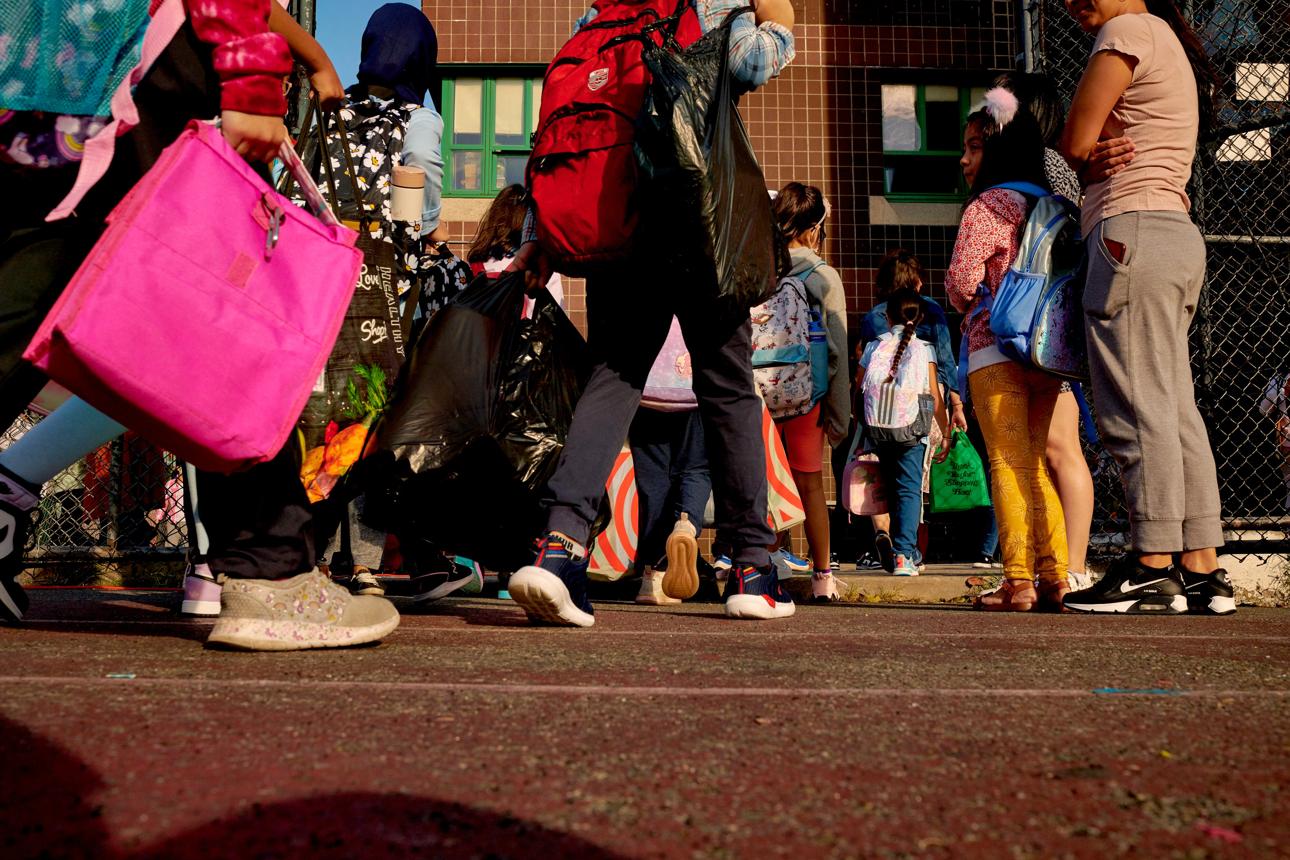

In one of the largest school systems in the world, small policy decisions can impact over a million students.
In New York City, education policy is being shaped through a series of ongoing discussions involving city and state officials. These conversations are not centered on a single issue. Instead, they reflect a broader challenge:
How to balance access, quality, and innovation in a system serving over 1.1 million students across more than 1,800 schools.
Admissions and Access: A Continuing Conversation
One of the most closely followed topics is how students gain access to specialized programs and schools.
New York has long used selective admissions for certain high-performing schools. Supporters emphasize the importance of maintaining academic rigor and creating pathways for advanced learning.
At the same time, other perspectives focus on access particularly whether all students have equal opportunities to prepare for and enter these programs.
Recent discussions around specialized admissions processes, including long-standing entrance exams and proposed technology-focused programs, have highlighted this balance. In some cases, proposals have been reconsidered as officials weigh:
- Academic readiness
- Equity in access
- Long-term student outcomes
There is no single agreed-upon approach, and discussions continue as policymakers and educators evaluate potential adjustments.

Technology in Schools: Expansion and Caution
Technology is another key area of focus.
Like many districts across the country, New York schools are exploring how to integrate digital tools including artificial intelligence into classrooms to support learning and skill development.
At the same time, there is growing attention on how much technology is appropriate, particularly for younger students.
Different perspectives emphasize:
- Expanding access to digital tools and AI literacy
- Managing screen time and device use
- Ensuring technology supports not replaces core learning
Officials and educators are weighing how to balance innovation with student engagement and well-being.

Funding and Resource Allocation
Funding remains a central part of education policy discussions.
With an annual budget of approximately $38 billion, New York City’s education system must allocate resources across a wide range of schools, programs, and student needs.
Recent discussions have focused on:
- Budget adjustments
- Distribution of funding across schools
- Staffing and program support
Managing resources at this scale requires ongoing evaluation, particularly as priorities evolve.

Why This Matters Beyond Policy
While these discussions may seem technical, they have direct effects on daily life:
- Where students attend school
- The types of programs available to them
- How classrooms are structured and taught
- The skills students develop for future careers
Policy decisions shape not just systems but individual experiences for students, families, and educators.
A System Responding to Multiple Pressures
What makes New York’s situation notable is not any single issue but the number of factors being addressed at once.
Across admissions, technology, and funding, the system is responding to:
- Rapid technological change
- Evolving expectations from families and educators
- The need to maintain both quality and accessibility
Rather than moving in one direction, the system is adapting through ongoing adjustment.
The Bigger Picture
While these discussions are taking place at the city and state level, they reflect broader questions facing education systems worldwide:
- How should access to opportunity be structured?
- What role should technology play in learning?
- How can large systems balance efficiency with individual student needs?
New York’s experience offers a clear example of how these questions are being addressed in real time.
Global Takeaway
The developments in New York City highlight an important reality:
Education policy is no longer static.
It is shaped through continuous discussion, evaluation, and adjustment particularly in systems serving large and diverse populations.
As these discussions continue, the decisions made today are likely to influence how large urban education systems evolve in the years ahead.
For observers around the world, the takeaway is not about specific outcomes but about process:
How education systems respond to complexity may matter just as much as the decisions themselves.