

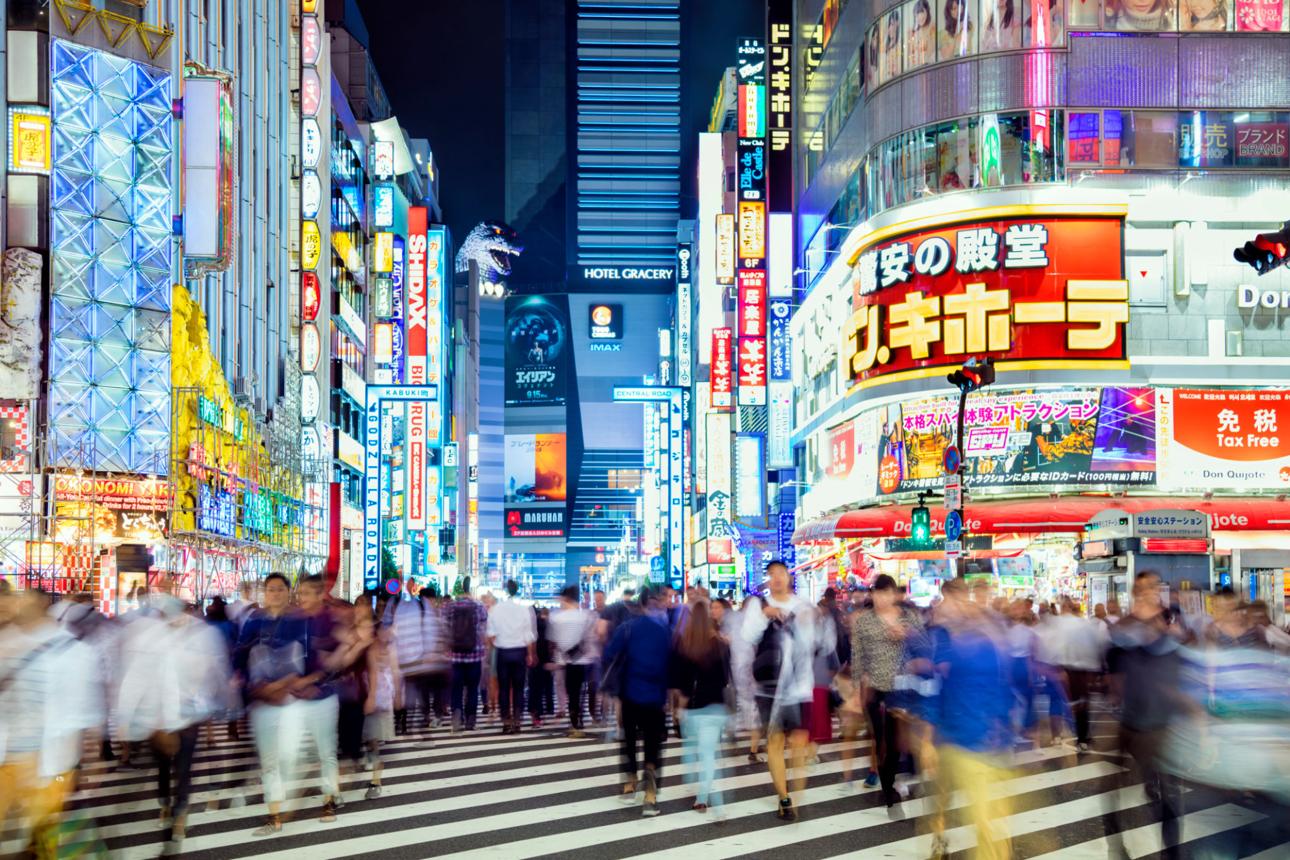

Japan is often described as one of the easiest countries to travel to.
The trains run on time.
The streets are clean.
The systems are efficient.
For a visitor, everything works.
And that’s exactly what makes it so interesting.
Because while Japan is easy to experience on the surface, it’s much harder to fully understand.
The Surface Is Designed for You
If you visit Japan for the first time, it feels smooth.
You can:
- Navigate cities using trains
- Order food from machines
- Find convenience stores on almost every corner
Even without speaking the language, you can move through the country with relatively little difficulty.
That’s not by accident.
Japan has built systems that allow people to function within them whether they fully understand the culture or not.

But the Depth Takes Time
The deeper parts of Japan aren’t always visible right away.
They show up in smaller, less obvious ways:
- Why people avoid talking on trains
- Why trash cans are rare, yet streets stay clean
- Why interactions feel polite, but also reserved
These aren’t rules written on signs.
They’re understood.
And for visitors, that’s where the experience shifts from tourism to observation.

Order Isn’t Just About Rules
One of the most noticeable aspects of Japan is order.
People line up.
Spaces are respected.
Things happen as expected.
But it’s not just about following rules.
It’s about a shared awareness of others.
That awareness shapes behavior in a way that doesn’t need constant enforcement.

Why It Feels Different
Many travelers describe Japan as “different,” but struggle to explain why.
It’s not just the language or the food.
It’s the combination of:
- Structure without chaos
- Quiet without emptiness
- Efficiency without pressure
That balance creates an environment that feels both organized and calm.
What Travelers Often Take Away
For many people, visiting Japan changes how they see everyday life.
Not because it’s perfect but because it operates differently.
You start to notice:
- How systems influence behavior
- How small habits create larger outcomes
- How culture is reflected in everyday actions
And once you see it, it’s hard to ignore.
Final Thought
Japan is easy to visit.
But understanding it takes more than a trip.
It takes time, attention, and a willingness to look beyond what’s immediately visible.
Have you been to Japan?
What stood out to you the most the efficiency, the culture, or something else?