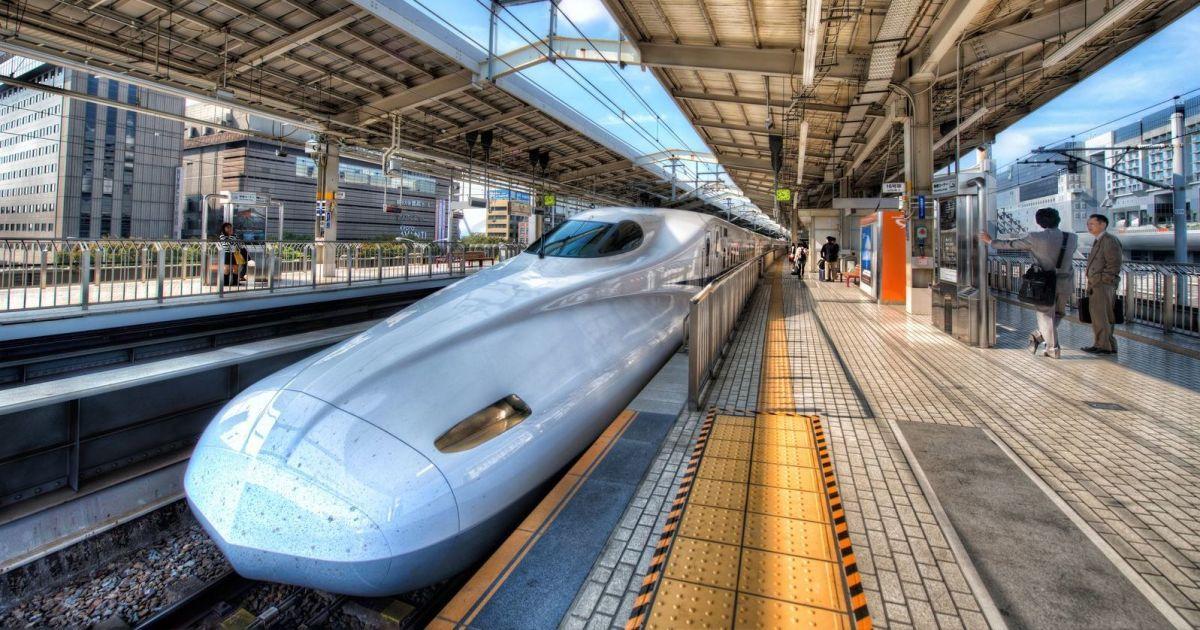

Japan’s Shinkansen is one of the easiest high-speed rail systems in the world to use, but first-time visitors still make the same expensive mistakes: buying the wrong pass, assuming giant luggage is fine, or leaving ticket reservations too late on popular routes.
If you are planning a Japan trip in 2026, the good news is that the system is very traveler-friendly once you understand one key point: there is no single “best” way to book trains for everyone. The right choice depends on your route, your luggage, and how concentrated your travel is.
Here is the practical version.
1. Start with your route, not with the JR Pass
Years ago, the national JR Pass was often the automatic recommendation. In 2026, that is no longer true for many travelers.
The official ordinary-car prices are currently ¥50,000 for 7 days, ¥80,000 for 14 days, and ¥100,000 for 21 days when purchased online. That can still work well for long, rail-heavy itineraries, but it is not a blanket bargain anymore.
For example, if your trip is mostly:
- Tokyo
- Kyoto
- Osaka
- Possibly Hiroshima
you should compare regular Shinkansen tickets against the pass before buying anything. Many travelers now save money by purchasing normal tickets for a few major rides instead of forcing their itinerary to “use up” a JR Pass.
One more detail matters in 2026: the official JR Pass site shows that prices for purchases through overseas agencies increase on October 1, 2026, while the online official purchase table currently shows the lower price set listed above. If you are planning late-2026 travel, check which purchase channel you are using.
2. When direct booking is the better move
If your intercity travel is concentrated on the Tokaido, Sanyo, or Kyushu Shinkansen lines, direct booking through SmartEX is often the cleanest option.
SmartEX currently allows reservations from 5:30 a.m. JST one year before travel until 4 minutes before departure. That is unusually flexible and especially useful if you want to lock in big travel days early. It also supports QR-ticket and IC-card boarding flows on eligible routes, which can reduce ticket-machine stress at busy stations.
For many first-time visitors, direct booking makes sense if:
- You only have 2-4 long-distance train days.
- You want specific departure times.
- You want to reserve oversized baggage seats in advance.
- You are not trying to cover all of Japan in one week.
The service is particularly relevant for North American travelers because the SmartEX site currently lists app availability in the United States and several other markets.
3. The national JR Pass still has a place
The JR Pass still works best when you are doing a genuinely big rail trip, such as moving across multiple regions over a short span:
- Tokyo to Kansai
- Kansai to Hiroshima
- Then onward to Kyushu or back north
It is also useful if you value simplicity over optimization and want one product covering a lot of JR travel. But even then, there is an important catch: Nozomi and Mizuho are not included by default.
JR Pass holders can still use those faster trains by buying a special add-on ticket. The official JR Pass site lists example prices including:
- Tokyo to Kyoto: ¥4,960
- Tokyo to Shin-Osaka: ¥4,960
- Tokyo to Hiroshima: ¥6,500
That means the pass is not always as frictionless as travelers expect. If your dream plan depends on the fastest departures at the most convenient times, calculate the real total, not just the pass price.
4. Regional passes are often the real sweet spot
This is where many savvy travelers save money in 2026.
Regional passes can be far more cost-effective than the national pass if your plans stay within one area. Two current examples from official operator sites:
- JR TOKYO Wide Pass: ¥16,000 for 3 consecutive days
- Kansai-Hiroshima Area Pass: ¥17,000 for 5 days
Those are strong options if your trip is built around side trips rather than a full-country rail sprint.
A Tokyo-based traveler might use the Tokyo Wide Pass for places like Nikko, Gala Yuzawa, or Fuji-area transport that fits the covered network. A Kansai-based traveler might find the Kansai-Hiroshima pass better value for Kyoto, Osaka, Himeji, Hiroshima, and Miyajima than buying a full national pass.
The practical lesson is simple: buy the smallest pass that fits your actual geography.
5. Luggage rules are stricter than many travelers expect
This is the mistake that turns a smooth train day into a stressful one.
On the Tokaido/Sanyo/Kyushu Shinkansen, JR Central says:
- Baggage up to 160 cm total dimensions can go in normal spaces.
- Baggage 161-250 cm requires a reservation for a seat with oversized baggage space.
- Baggage over 250 cm cannot be brought onboard.
If you travel with a large checked suitcase from an international flight, measure it before departure. A lot of “big but normal” luggage falls into that 161-250 cm band.
This does not mean train travel is difficult. It just means you should plan properly. If you want a calmer trip, consider packing lighter or using luggage-forwarding services between hotels, especially on city-hopping itineraries.
6. A simple 2026 decision rule
If you are stuck, use this:
- Choose direct tickets if you have a few major Shinkansen rides and want flexibility.
- Choose a regional pass if your travel is concentrated around Tokyo, Kansai, or another specific area.
- Choose the national JR Pass only if your itinerary is broad enough to justify it after comparing actual fares.
For first-time visitors, the smartest Japan rail strategy in 2026 is usually not “buy the famous pass.” It is match the rail product to the trip you actually planned.
That one mindset shift can save you money, reduce station confusion, and make your travel days feel much more like Japan at its best: fast, orderly, and surprisingly easy.
Practical Tips or Checklist
- Check whether your route is mainly Tokaido/Sanyo/Kyushu Shinkansen before deciding on SmartEX.
- If using SmartEX, book popular travel days early; reservations can open one year ahead.
- Measure your suitcase. If total dimensions are 161 cm or more, review oversized baggage rules before you buy tickets.
- Compare the national JR Pass against normal fares and at least one regional pass.
- If you want to use Nozomi with a JR Pass, budget for the extra special ticket.
- Save screenshots, QR tickets, and reservation emails before travel day.
- At stations, leave extra time if you have children, strollers, or large luggage.
- If your itinerary involves frequent hotel changes, consider luggage forwarding to make Shinkansen travel easier.
Sources
- SmartEX homepage: https://smart-ex.jp/en/index.php
- SmartEX reservation timing: https://smart-ex.jp/en/reservation/useful/accept_time/
- SmartEX QR boarding guide: https://smart-ex.jp/en/entraining/qr/
- SmartEX IC card boarding guide: https://smart-ex.jp/en/entraining/iccard/
- JR Central luggage information: https://global.jr-central.co.jp/en/info/oversized-baggage/
- JAPAN RAIL PASS prices: https://japanrailpass.net/en/purchase/price/
- JR Pass Nozomi/Mizuho special ticket rules: https://japanrailpass.net/en/use/special-ticket/
- JR East Tokyo Wide Pass: https://www.jreast.co.jp/en/multi/pass/tokyowidepass.html
- JR West Kansai-Hiroshima Area Pass: https://www.westjr.co.jp/travel-information/en/tickets-passes/jrwest-rail-pass/kansai_hiroshima/