

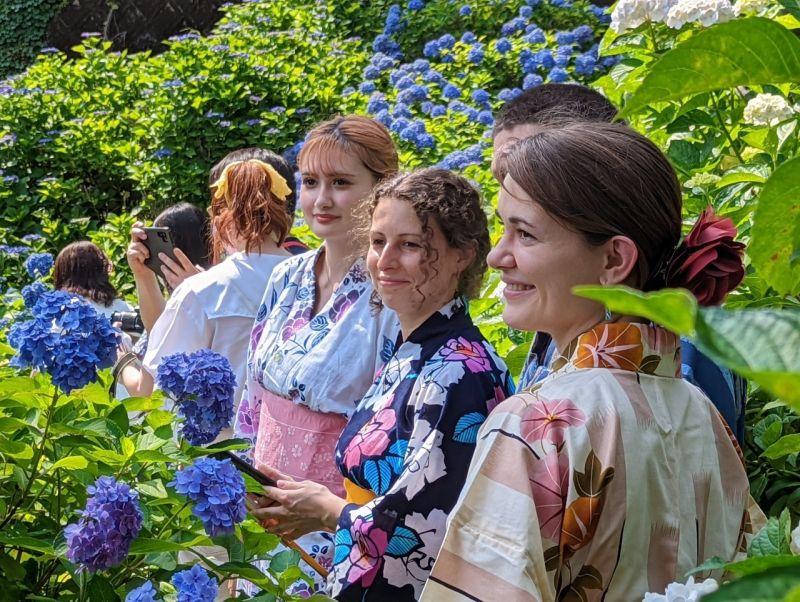
Japan in summer can be excellent, but it rewards practical travelers more than romantic ones. If you arrive expecting soft spring weather, you may spend your first few days sweaty, overloaded, and hiding in convenience stores. If you arrive prepared, summer becomes one of the easiest times to enjoy festivals, fireworks, mountain areas, evening walks, and long sightseeing days.
The key is simple: stop treating summer in Japan like a normal city break and start treating it like a heat-and-humidity trip with great infrastructure.
What summer in Japan actually feels like
According to the Japan National Tourism Organization, summer across much of Honshu and Kyushu is hot and humid. That matters more than the temperature number alone. Humidity changes how long you want to stay outside, how much water you need, and what kind of clothes stay comfortable.
This is why many experienced travelers build their days in three parts:
Morning for outdoor sightseeing, temple walks, markets, and neighborhood exploring.
Midday for museums, department stores, cafes, train transfers, or a rest break.
Evening for second-round sightseeing, food, festivals, and waterfront or city walks once the worst heat starts to fade.
That rhythm works better than trying to power through from 11 a.m. to 3 p.m. with a full backpack.
What to pack if you want to stay comfortable
Your packing list does not need to be large, but it does need to be deliberate.
Prioritize light, breathable clothing that dries quickly. Summer in Japan is not the time for heavy denim, thick overshirts, or shoes that trap heat all day. A compact umbrella is worth carrying even on days that start clear, and a small towel or handkerchief is more useful than many first-time visitors expect.
A refillable water bottle is essential. So is a small day bag that does not become miserable to carry in crowds. If you wear a backpack, keep it light enough that removing it on trains is easy and not irritating.
If you will be walking a lot, bring one pair of shoes you already trust. Summer travel is not the moment to break in stylish footwear.
Why transit setup matters more in summer
When you are hot, tired, and trying to switch lines in a large station, friction matters. JNTO’s official train guide recommends rechargeable IC cards because they save time across many train and transit systems. In major-city travel, that convenience is a real quality-of-life upgrade.
Instead of buying a paper ticket for every short move, you tap in and out quickly. For many visitors, that means less queueing, fewer fare mistakes, and less cognitive load when moving through places like Tokyo or Osaka.
JNTO notes that most IC cards require a 500-yen deposit, and that Welcome Suica is a deposit-free tourist option in the Kanto area valid for up to 28 days. That makes it especially useful for short stays focused on Tokyo and nearby trips.
The bigger point is not brand preference. It is momentum. Summer sightseeing is easier when your transport system is already set up before the hottest part of the day.
Train manners are not optional
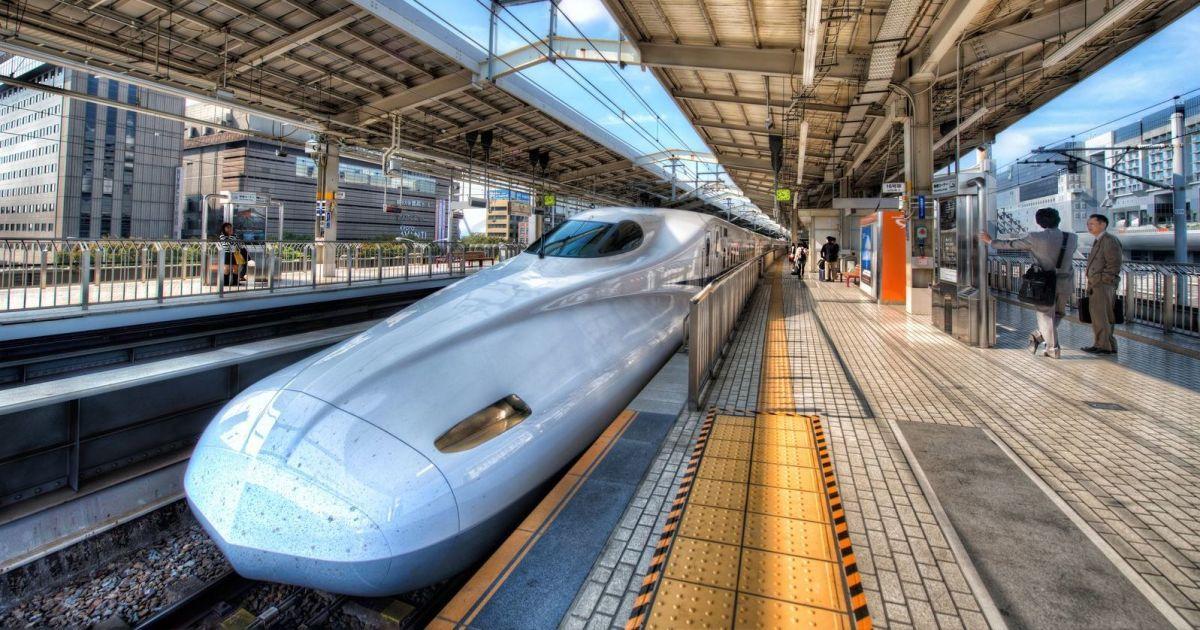
Japan is easy to navigate, but public courtesy is part of that ease. JNTO’s transit guidance explicitly tells riders to avoid talking on the phone on trains, remove backpacks from their shoulders, and keep them by hand or on a rack so they do not hit other people. On long-distance trains like the shinkansen, calls should be moved to the corridor between cars.
This matters because summer crowds can amplify small annoyances. If you are carrying shopping bags, an umbrella, and a backpack at rush hour, your behavior affects everyone around you. The fastest way to feel less overwhelmed is to move calmly, stand clear of doors, and keep your belongings compact.
You do not need perfect etiquette knowledge. You just need to be observant, quiet, and space-aware.
How to plan around rain and weather alerts
Summer does not only mean sunshine. JNTO’s safety site points travelers to Japan Meteorological Agency daily forecasts and warning pages, and that is the right habit to build. Japan’s system distinguishes between advisories, warnings, and emergency warnings, especially for heavy rain and strong winds.
For travelers, the practical lesson is this: do not rely only on your home-country weather app and assume you have the full picture. If a day looks unstable, check official local forecasts before committing to a mountain trip, coastal day, or long intercity transfer.
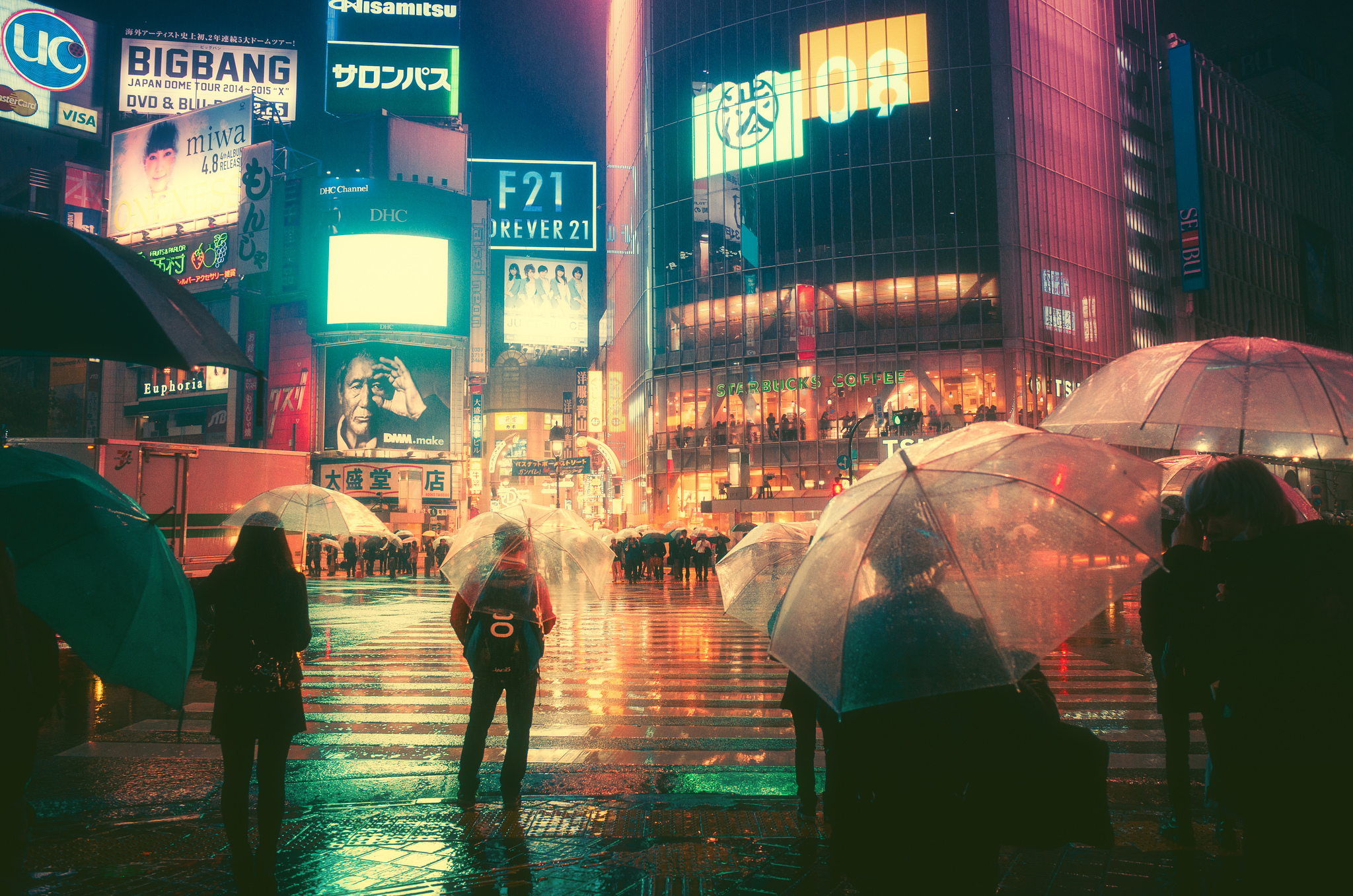
You also do not need to panic when rain appears. A lot of summer travel in Japan is still very workable with short showers, especially in cities with strong rail access and plenty of indoor options. The better strategy is to create backup layers in your itinerary:
Outdoor stop first.
Indoor stop second.
Flexible meal or shopping block third.
That way the weather changes your order, not your entire day.
The smartest summer itinerary style
Summer rewards shorter travel chains and fewer forced checklists. Instead of trying to hit six neighborhoods in one day, choose one main area plus one secondary stop. Instead of crossing a city for every meal, eat near your current station zone when the heat is draining you.
If you want a classic summer atmosphere, this is also the season to lean into evening culture. JNTO highlights fireworks and festival season in July and August, and those events often deliver the kind of memorable energy people imagine when they book Japan in summer anyway.
So the goal is not to “beat” summer. The goal is to work with it.
Final thought
Japan in summer is easier when you travel a little slower, pack a little lighter, and plan a little smarter. The country’s transport, convenience culture, and official safety information make that possible. Once you stop fighting the season, it becomes a very good one.
Practical Tips or Checklist
- Pack breathable tops, comfortable walking shoes, and a compact umbrella.
- Carry water, a small towel, and a light day bag.
- Get an IC card early if you will use urban transit often.
- Put outdoor sightseeing in the morning and keep indoor backup plans for midday.
- Check official JMA forecasts and warnings before long travel days.
- On trains, avoid phone calls and remove your backpack in crowded cars.
- Leave schedule slack for heat breaks, station transfers, and weather changes.
Sources
- JNTO, Summer in Japan: https://www.japan.travel/en/guide/summer-guide/
- JNTO, How to Travel by Train and Bus in Japan: https://www.japan.travel/en/guide/how-to-travel-by-train-and-bus-in-japan/
- JNTO, Japanese Manners and Etiquette: https://www.japan.travel/en/guide/understanding-and-mastering-japanese-manners-and-etiquette/
- JNTO Safety Tips for Travelers: https://www.jnto.go.jp/safety-tips/eng/index.html