



Teachers enter the profession to teach.
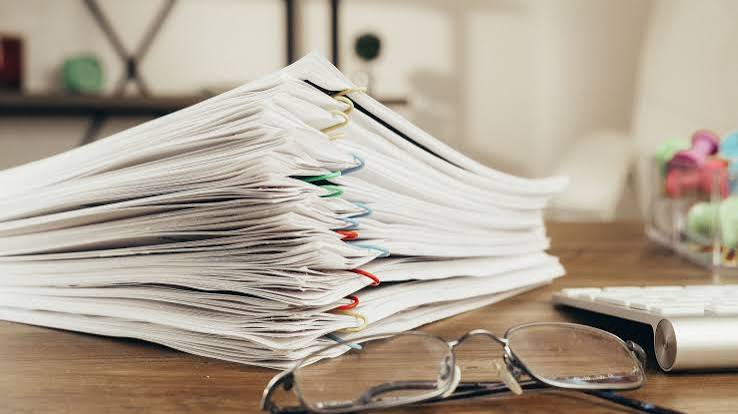
They want to help students learn, build confidence, ask better questions, develop skills, and prepare for the future. Yet in many schools, teachers often find themselves spending more time completing paperwork, entering data, attending meetings, and managing documentation than actually planning meaningful lessons.
Accountability matters. Schools need records, progress monitoring, safety procedures, and communication systems. But when paperwork begins to overwhelm instruction, something is wrong.
Teaching Requires Time
Good teaching does not happen by accident.
Teachers need time to plan lessons, review student work, communicate with families, adjust instruction, and support students who are struggling. They also need time to reflect on what is working and what needs to change.
When every available minute is filled with forms, reports, meetings, and administrative tasks, teachers lose the time needed to do the work that matters most.
Paperwork Should Support Learning
Not all paperwork is bad.
Some documentation helps schools understand student needs, track progress, and provide services. The problem begins when paperwork becomes repetitive, disconnected from classroom reality, or created mainly to prove that work is happening.
If a form does not help students, teachers, families, or school leaders make better decisions, schools should ask whether it is truly necessary.
Teacher Burnout Is Real
Many teachers are not burned out because they dislike teaching.
They are burned out because teaching is increasingly surrounded by tasks that pull them away from students.
Grading, lesson planning, behavior support, parent communication, professional development, testing requirements, and administrative responsibilities all add up. When teachers are expected to do everything with limited time, stress becomes unavoidable.
Reducing unnecessary paperwork would not solve every problem in education, but it would give teachers more room to breathe.
Students Benefit When Teachers Have Time
When teachers have more planning time, students benefit.
Lessons become stronger. Feedback becomes more thoughtful. Small-group instruction improves. Teachers can better identify who needs extra help and who needs more challenge.
A teacher with time can be creative.
A teacher buried under paperwork is often just trying to survive the week.
Schools Should Protect Teacher Time
If schools want better outcomes, they should treat teacher time as valuable.
That means reviewing which tasks are truly necessary, combining duplicate forms, limiting unnecessary meetings, improving digital systems, and asking teachers directly what slows them down.
Teacher time should be protected because student learning depends on it.
Final Thoughts
Education does not improve by adding more paperwork to already overwhelmed teachers.
It improves when teachers are given the time, trust, and support needed to do their jobs well.
Teachers need accountability, but they also need room to teach.
If schools want stronger classrooms, they should start by giving teachers more time with students and less time buried in paperwork.