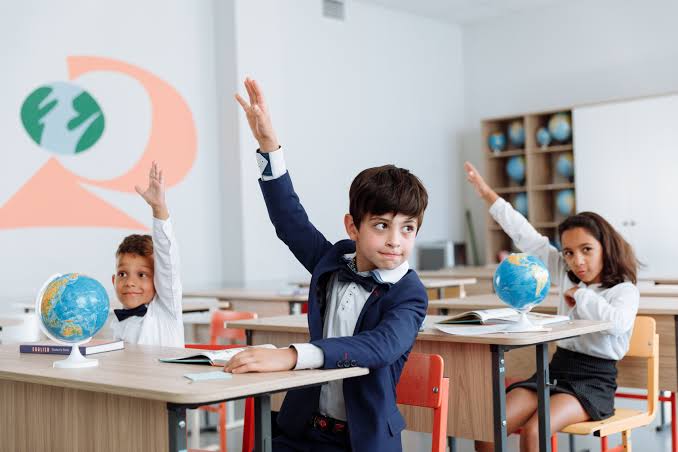

Education has always faced a difficult balancing act. Schools must teach large groups of students while recognizing that every child learns differently. Yet despite decades of research supporting personalized instruction, many classrooms still rely on a one-size-fits-all approach. In my view, that is one of the biggest challenges facing education today.
Every student enters the classroom with different strengths, interests, learning styles, and life experiences. Some students grasp new concepts quickly, while others need additional time and support. That doesn't make one student more capable than another it simply means they learn differently.
Success Shouldn't Look the Same for Everyone
Too often, academic success is measured by standardized tests and letter grades alone. While assessments certainly have their place, they rarely tell the complete story.
A student who improves dramatically throughout the year may still score below average on a standardized exam. Another student may excel academically while struggling with communication, teamwork, or problem-solving. Education should recognize growth alongside achievement.
Preparing students for life means helping them develop resilience, curiosity, creativity, and the confidence to continue learning long after they leave the classroom.
Technology Can Help—If We Use It Wisely
Artificial intelligence, adaptive learning platforms, and online educational resources have created opportunities that simply didn't exist a decade ago. Students can now receive immediate feedback, practice at their own pace, and access high-quality learning materials from almost anywhere.
However, technology should never replace meaningful relationships between teachers and students. Great educators do far more than deliver information—they encourage, mentor, motivate, and inspire. Technology should enhance excellent teaching, not replace it.
Teachers Need Time to Teach
Many educators spend countless hours completing paperwork, preparing reports, attending meetings, and managing administrative responsibilities. While accountability is important, excessive administrative work often reduces the time teachers have to focus on what matters most: helping students learn.
Supporting teachers with better resources, professional development, and manageable workloads ultimately benefits students as well.
Education Is About Preparing Students for Life
Schools have an important responsibility beyond helping students earn good grades. They should prepare young people to solve problems, think critically, communicate effectively, and adapt to a rapidly changing world.
The careers today's students will pursue may not even exist yet. That means education must focus not only on knowledge, but also on developing lifelong learners who are prepared to continue growing throughout their lives.
Final Thoughts
There is no perfect education system, and no single teaching strategy works for every student. However, one principle should always remain at the center of education: students are individuals, not statistics.
When schools recognize each learner's unique strengths and provide opportunities for growth, education becomes more than preparation for an exam—it becomes preparation for life.
Sources
OECD – Future of Education and Skills 2030
https://www.oecd.org/education/2030-project/
UNESCO – Education for Sustainable Development
https://www.unesco.org/en/education
Edutopia – Personalized Learning Resources
https://www.edutopia.org/topic/personalized-learning
Harvard Graduate School of Education – Usable Knowledge
https://www.gse.harvard.edu/usable-knowledge