

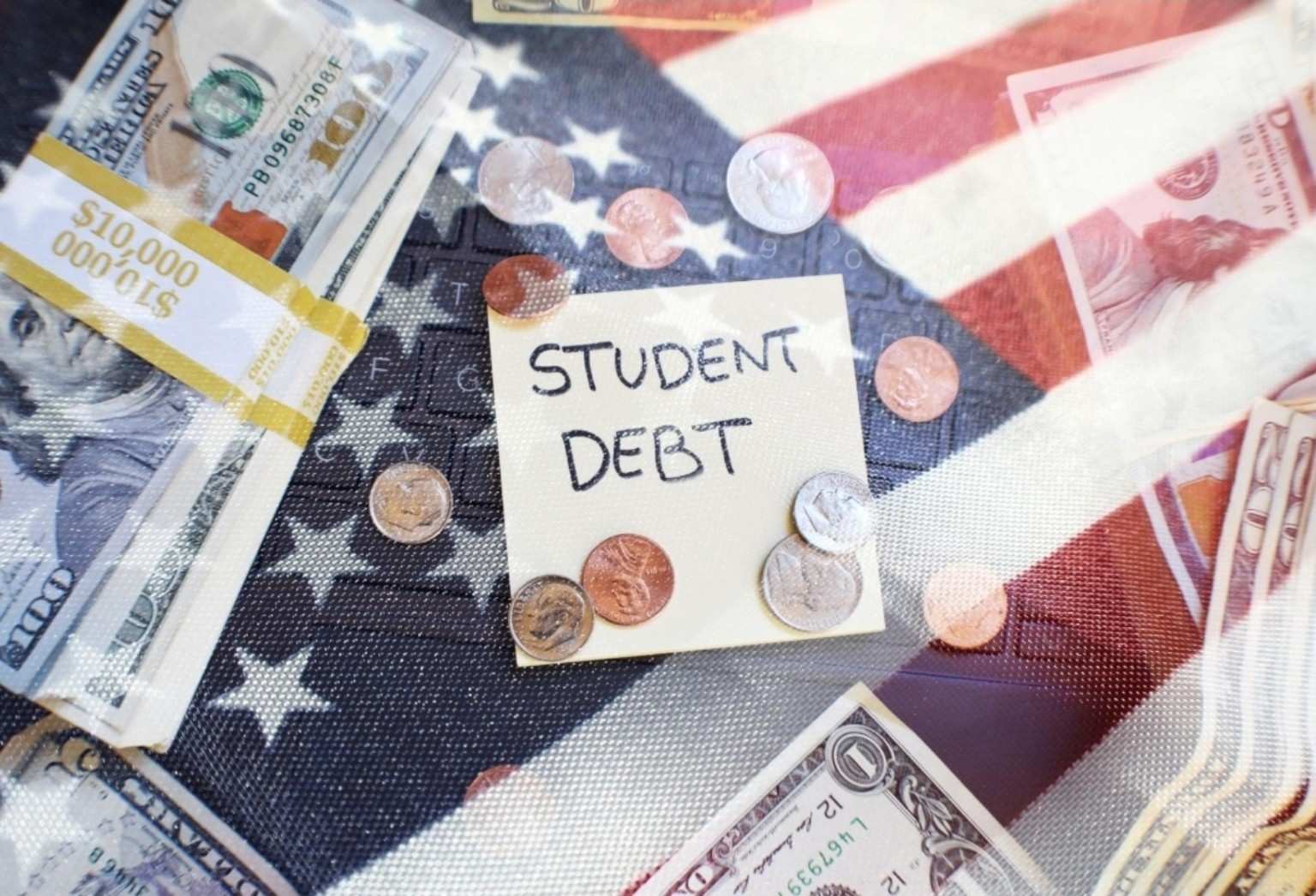

For millions of Americans, student loan payments are not just numbers on a screen. They influence where people live, when they start families, what careers they pursue, and how they view their future.
Student loan debt has once again become one of the biggest education and political discussions in the United States. Over the past several years, the national conversation has shifted from temporary relief programs to much larger questions about the future of higher education itself.
According to recent estimates, Americans collectively owe more than $1.7 trillion in student loan debt. As tuition costs continue to rise, lawmakers in Washington remain divided on how the country should respond.
For some Americans, student loan relief is viewed as an important economic support system. Others believe large-scale forgiveness places an unfair burden on taxpayers or fails to address the deeper issue of rising college costs.
Between these positions are millions of borrowers simply trying to manage monthly payments while balancing housing, groceries, healthcare, and everyday life.
Why the Debate Is So Complicated
One reason the student loan debate remains so difficult is because there is no single student loan experience in America.
A doctor or lawyer may graduate with significant debt but eventually enter a high-paying profession. Meanwhile, a teacher, social worker, nonprofit employee, or public servant may spend decades managing loan payments while earning a much smaller salary.
Some students complete their degrees and find stable employment. Others leave college without graduating but still carry thousands of dollars in debt.
For example, a young teacher carrying $40,000 in student loans may struggle to save for a home or support a family while working in a profession that society heavily depends on. Another graduate in a higher-paying industry may be able to pay off loans much faster despite borrowing more money overall.
These differences make it difficult for policymakers to create solutions that satisfy everyone.

The Main Issues Being Debated in Congress
Congressional leaders continue discussing several major student loan issues, including:
Expanding income-driven repayment programs
Potential federal loan forgiveness policies
Interest rate reforms
Accountability for universities with rising tuition costs
The future of Pell Grants and federal aid
How student debt impacts the broader American economy
Supporters of reform often argue that heavy student debt delays important life milestones for younger Americans. Some studies suggest that large loan balances can impact home ownership, small business creation, marriage decisions, and family planning.
Critics of broad forgiveness programs, however, argue that blanket relief may encourage universities to continue increasing tuition costs without addressing the underlying problems within the higher education system.
Others believe future reforms should focus more heavily on lowering educational costs rather than forgiving debt after students have already borrowed large amounts.

A Larger Question About Higher Education
At the center of the debate is a much broader national question:
What should higher education look like in modern America?
For decades, college was widely promoted as one of the clearest paths toward financial stability and career success. While higher education still provides opportunities for many Americans, rising tuition costs and changing job markets have caused some people to reconsider whether the traditional college pathway always provides the return students expect.
As a result, trade schools, apprenticeships, certifications, military service, and technical career programs are receiving increased national attention.
Some policymakers believe expanding these pathways could reduce long-term student debt while also helping address labor shortages in industries such as healthcare, construction, transportation, cybersecurity, and skilled trades.
At the same time, many educators continue emphasizing the broader value of higher education beyond career preparation alone. Colleges and universities also play important roles in research, critical thinking, communication skills, and civic development.
How Technology May Change the Conversation
Technology is also beginning to reshape the future of education.
Artificial intelligence, remote learning platforms, and digital classrooms may eventually lower educational costs or change how employers view traditional degrees. Some universities are already experimenting with AI-supported tutoring systems, online certifications, and alternative learning models.
However, many educators caution that technology should support education rather than replace meaningful classroom interaction, mentorship, and human connection.
As AI continues developing, the future of higher education may look very different from the system many Americans grew up with.

Why This Debate Matters Beyond Politics
The student loan debate is no longer only about debt. It has become connected to larger conversations about economic mobility, workforce development, and opportunity in America.
The issue also affects industries already facing shortages, including education itself. Some experts argue that financial pressure discourages younger Americans from entering lower-paying but socially important professions such as teaching, counseling, and public service.
Others worry that rising education costs may widen economic divides between families who can afford higher education comfortably and those who must rely heavily on borrowing.
Despite strong political disagreements surrounding student loans, there appears to be growing agreement on at least one point: the current system faces serious challenges.
Across the political spectrum, many Americans recognize concerns about:
- Rising tuition costs
- Loan complexity
- Financial literacy
- Long-term repayment burdens
The overall affordability of higher education
The disagreement largely centers on how these problems should be solved.
Looking Ahead
As the national conversation continues, millions of borrowers remain closely watching Congress for potential policy changes that could affect repayment plans, forgiveness options, and the future affordability of higher education in the United States.
Regardless of political views, the discussion surrounding student loans reflects a deeper national question:
How should America prepare future generations for success without creating financial burdens that follow them for decades?
The answer to that question may shape the future of higher education for years to come.
What do you think the future of higher education should look like in America?