





Many students today move from assignment to assignment, test to test, and screen to screen without always feeling connected to the learning itself.
Teachers rush to meet deadlines, students worry about grades, and classrooms increasingly revolve around performance metrics, pacing guides, and academic benchmarks. Technology continues growing inside education, and while much of it has improved accessibility and convenience, some people quietly feel that learning itself has become more impersonal.
Education has become faster.
More efficient.
More measurable.
But perhaps not always more human.
Of course, structure, accountability, and academic standards still matter. Schools need organization, and students deserve high-quality instruction. But many educators, parents, and students are beginning to ask whether something important has been lost along the way.
Learning is deeply human.
And maybe education works best when it remembers that.
Students Are More Than Numbers
Grades, attendance percentages, testing data, rankings, and performance reports all serve important purposes. Schools need ways to measure progress and identify where support is needed.
But students are far more complicated than any number on a spreadsheet.
Some students struggle academically while quietly carrying anxiety, family stress, loneliness, or a lack of confidence. Others perform well on tests but feel emotionally disconnected from learning itself.
A student who feels encouraged, respected, and understood often learns very differently from a student who feels invisible inside the classroom.
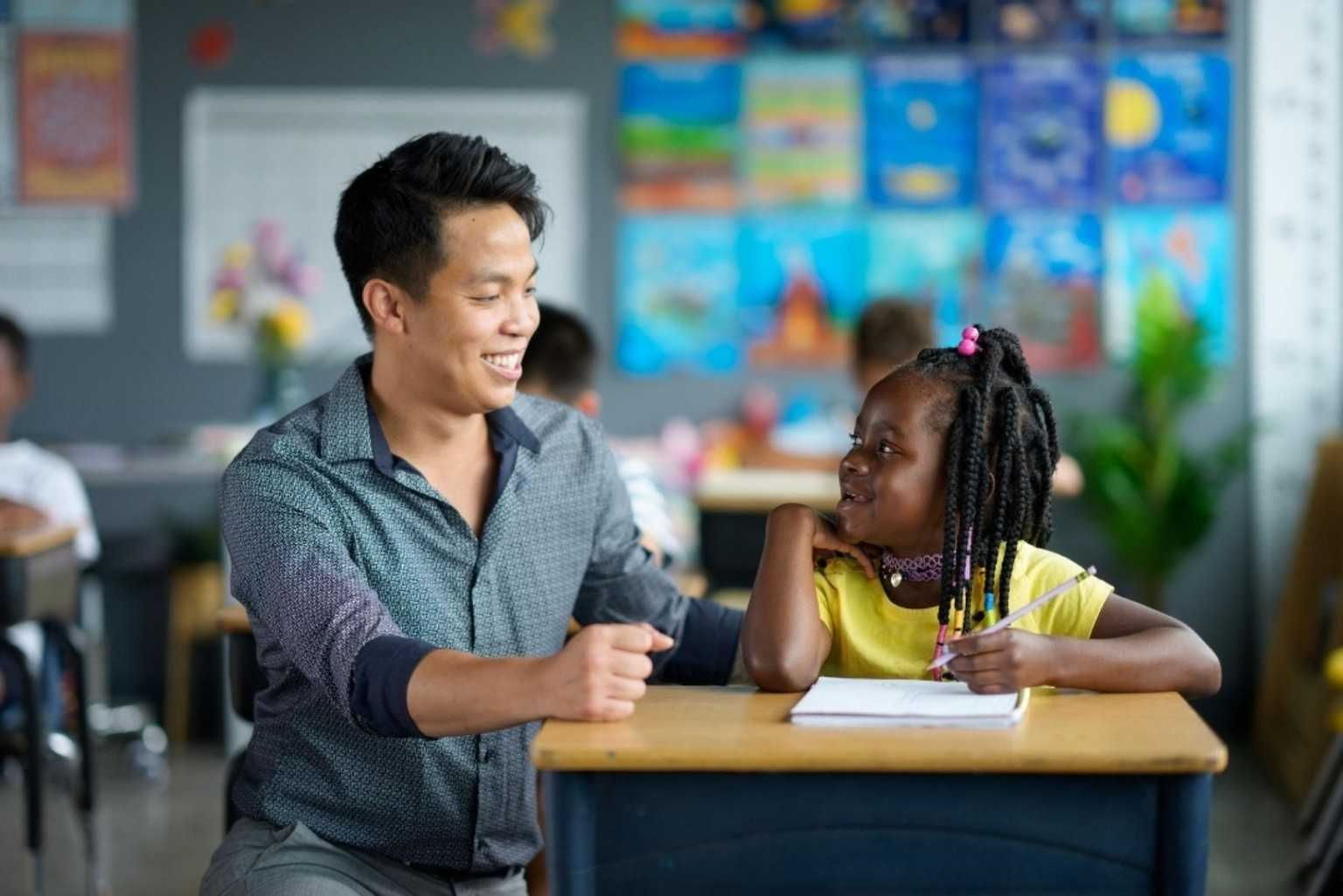
Years later, many adults barely remember their exact grades, but they often remember the teacher who stayed after class to help them, the tutor who gave them confidence, or the mentor who made them believe they were capable of succeeding.
Those moments matter.

The Small Moments Often Matter the Most
Some of the most meaningful educational experiences happen through small human interactions that rarely appear in academic reports.
A teacher noticing when a student suddenly becomes quiet.
A tutor patiently explaining the same concept multiple times without making someone feel embarrassed.
A student finally raising their hand after weeks of staying silent.
A mentor encouraging someone who has started doubting themselves.
These moments may seem small, but they often shape how students view learning and themselves.
Education is not only about information.
It is also about confidence, communication, patience, encouragement, and trust.

Students Are Carrying More Than Backpacks
Modern students face pressures that extend far beyond academics alone.
Many are balancing social expectations, mental health struggles, constant online comparison, family responsibilities, and uncertainty about the future. Social media, while beneficial in some ways, has also created environments where students often feel pressure to constantly perform or compare themselves to others.
Some students quietly shut down emotionally long before their grades begin to drop.
Others become afraid of making mistakes because they feel constant pressure to succeed.
In fast-paced educational systems, emotional well-being can sometimes become secondary to productivity.
But students learn differently when they feel emotionally safe enough to ask questions, make mistakes, and grow without fear of embarrassment.
Technology Should Support Education, Not Replace Humanity
Artificial intelligence and educational technology are becoming increasingly common in classrooms around the world.
AI tools can help personalize learning, improve accessibility, assist with tutoring, and provide additional support for teachers and students alike. Used properly, technology can become an incredibly valuable educational tool.
But technology alone cannot replace human understanding.
A struggling student may not simply need faster answers. They may need reassurance. They may need patience, conversation, or someone willing to explain concepts in a way that feels personal and supportive.
The challenge may not be whether technology belongs in education. The real challenge may be whether education can continue feeling personal while technology becomes increasingly common.
Students still need human connection.
They need encouragement, empathy, and people who genuinely care about their progress.

Why Personalized Learning Matters
Not every student learns the same way.
Some students thrive inside highly structured classrooms. Others learn more effectively through creativity, discussion, repetition, movement, or one-on-one support.
This may be one reason why tutoring and personalized learning continue growing around the world.
Many families are searching for educational environments where students feel heard rather than simply evaluated.
Personalized learning does not necessarily mean lowering standards. In many cases, it means understanding students well enough to help them reach those standards more effectively.
Sometimes small adjustments in communication, pacing, or teaching style can completely change how a student views learning.
Teachers Are Under Pressure Too
Discussions about education often focus heavily on students, but teachers themselves are also carrying increasing pressure.
Many educators balance lesson planning, grading, meetings, classroom management, parent communication, testing requirements, administrative responsibilities, and emotional support for students all at once.
Burnout has become a serious issue across education systems worldwide.
At times, teachers may feel pressured to prioritize pacing guides and testing targets over meaningful relationships with students simply because there is not enough time in the day.
Most educators enter the profession because they genuinely want to help people grow.
When education becomes too focused on numbers and constant performance, both students and teachers can begin feeling emotionally disconnected from the learning process itself.

Education Is Still About People
Despite rapid technological advancement and changing educational systems, the foundation of learning remains surprisingly simple:
People helping other people grow.
The most memorable educational experiences are often not tied to a particular worksheet, assignment, or test score. They are tied to moments where students felt inspired, supported, understood, or encouraged to believe in themselves.
Education does not need to reject standards, structure, or technology in order to become more human. But balance matters.
Students are not machines.
Teachers are not robots.
Learning is emotional, frustrating, exciting, personal, challenging, and deeply human all at the same time.
Years later, many students may forget specific assignments or exam scores, but they often remember the people who helped them believe in themselves when they needed it most.
In a world increasingly shaped by technology, pressure, and constant change, perhaps one of the most important questions education can ask is this:
How do we continue helping students feel genuinely seen, supported, and valued while preparing them for the future?




