


Editorial Note
This article is intended for educational and informational purposes only. It should not be used as medical, nutrition, weight-loss, diabetes, allergy, or diet treatment advice. Nutrition needs vary by age, activity level, health condition, medication use, culture, budget, and personal preference. Anyone managing diabetes, heart disease, kidney disease, food allergies, pregnancy, eating disorders, chronic illness, or a medically prescribed diet should consult a qualified healthcare professional or registered dietitian before making major dietary changes.
Healthy eating does not have to mean complicated meals, expensive ingredients, or boring food.
On July 7, 2026, EatingWell published a dietitian-created 7-Day No-Sugar, High-Fiber, Anti-Inflammatory Meal Plan that highlighted a practical approach to healthier eating: more fiber, more protein, more colorful produce, more healthy fats, and fewer added sugars. The plan included foods such as berries, cherries, dark leafy greens, cruciferous vegetables, salmon, tuna, avocado, nuts, seeds, kefir, legumes, and whole grains.
That is a useful reminder for busy families, teachers, students, and working adults. Healthy eating often works best when meals are built around simple patterns: a protein source, a fiber-rich carbohydrate, vegetables, healthy fats, and flavor that makes the meal enjoyable.
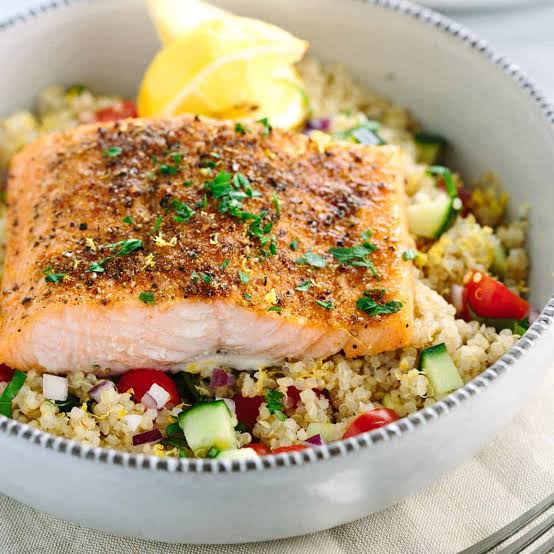
This Anti-Inflammatory Salmon Power Bowl is inspired by that July 7 nutrition theme. It is not copied from the EatingWell meal plan. Instead, it uses the same general principles: high fiber, no added sugar, colorful ingredients, and a balance of protein, healthy fats, and whole-food carbohydrates.
Why This Recipe Works
This salmon bowl works because it is balanced.
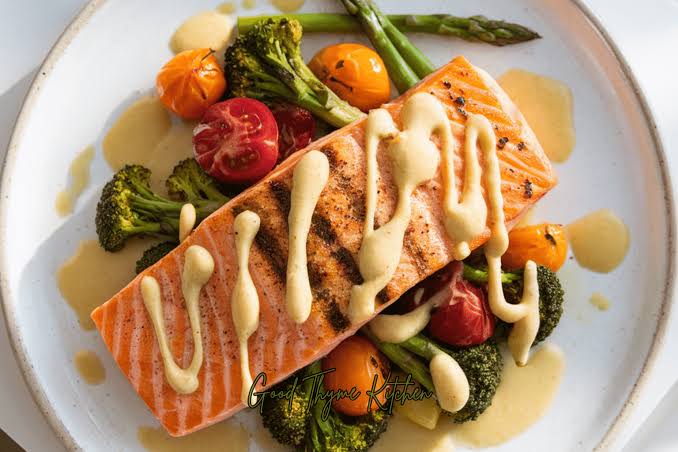
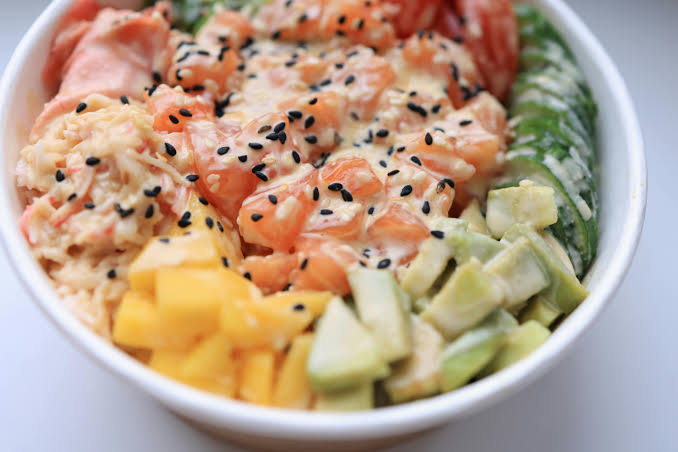
Salmon provides protein and omega-3 fatty acids. Quinoa or brown rice adds fiber-rich carbohydrates. Chickpeas add more fiber and plant-based protein. Leafy greens, cucumbers, tomatoes, and herbs bring color, vitamins, minerals, and freshness. Avocado and olive oil add healthy fats that make the bowl more satisfying.
The goal is not to create a “perfect” meal. The goal is to create a practical meal that helps people eat more whole foods without feeling restricted.
That matters because many people struggle with healthy eating when it feels like punishment. A good recipe should feel nourishing, but it should also taste good enough that you actually want to eat it again.
Anti-Inflammatory Salmon Power Bowl
Servings: 2
Prep Time: 15 minutes
Cook Time: 12–15 minutes
Total Time: About 30 minutes
Ingredients
For the salmon:
- 2 salmon fillets
- 1 tablespoon olive oil
- 1 teaspoon lemon juice
- 1 teaspoon garlic powder
- 1 teaspoon smoked paprika
- ½ teaspoon dried oregano
- ¼ teaspoon black pepper
- Small pinch of salt, optional
For the bowl:
- 2 cups cooked quinoa, brown rice, or farro
- 2 cups spinach, kale, or mixed greens
- 1 cup canned chickpeas, rinsed and drained
- 1 cup chopped cucumber
- 1 cup cherry tomatoes, halved
- ½ avocado, sliced
- ¼ cup chopped parsley or cilantro
- 2 tablespoons pumpkin seeds or chopped walnuts
For the lemon-yogurt sauce:
- ½ cup plain Greek yogurt
- 1 tablespoon lemon juice
- 1 teaspoon olive oil
- 1 small garlic clove, grated or finely minced
- 1 tablespoon chopped dill or parsley
- Black pepper to taste
- Water, 1 teaspoon at a time, to thin if needed
Instructions
Preheat the oven to 400°F, or about 200°C. Place the salmon fillets on a lined baking sheet. Rub them with olive oil, lemon juice, garlic powder, smoked paprika, oregano, black pepper, and a small pinch of salt if using.
Bake the salmon for about 12 to 15 minutes, or until it flakes easily with a fork. Cooking time may vary depending on the thickness of the fish.
While the salmon cooks, prepare the bowl ingredients. Add cooked quinoa, brown rice, or farro to each bowl. Top with greens, chickpeas, cucumber, tomatoes, avocado, herbs, and pumpkin seeds or walnuts.
In a small bowl, mix the Greek yogurt, lemon juice, olive oil, garlic, herbs, and black pepper. Add a little water if you want a thinner sauce.
Place the cooked salmon on top of each bowl and drizzle with the lemon-yogurt sauce. Serve warm, or let the ingredients cool and store them separately for meal prep.
Why This Bowl Is a Healthy Choice
This bowl includes several foods commonly found in anti-inflammatory eating patterns.
Salmon is often included in heart-healthy meals because it contains omega-3 fatty acids. Leafy greens, tomatoes, cucumbers, herbs, and avocado add vitamins, minerals, fiber, and antioxidants. Chickpeas, quinoa, brown rice, or farro help make the meal more filling because they provide fiber and slow-digesting carbohydrates.
The July 7 EatingWell meal plan emphasized fiber and antioxidant-rich produce, while reducing added sugars. This recipe follows that same general idea by using whole-food ingredients and a savory yogurt-based sauce instead of a sugary dressing.
The result is a meal that feels fresh, filling, and realistic.
A Good Meal Prep Option
This recipe also works well for meal prep.
The easiest method is to cook the grain ahead of time and store it in the refrigerator. You can also wash and chop the vegetables in advance. The salmon is best fresh, but it can also be cooked ahead and eaten cold or gently reheated.
If preparing this for several days, store the sauce separately so the bowl does not become soggy. Add avocado right before eating if possible, since it browns quickly.
For busy adults, this is the kind of meal that can make healthier eating easier during the week. It is much harder to make good food choices when you are hungry, tired, and starting from zero.
Easy Swaps
This recipe can be adjusted based on budget, taste, or dietary needs.
If salmon is too expensive, canned tuna, sardines, grilled chicken, tofu, eggs, or beans can also work. If quinoa is not available, use brown rice, barley, farro, whole wheat couscous, or another whole grain. If Greek yogurt is not a good fit, use hummus thinned with lemon juice and water as a dairy-free sauce.
The vegetables can also change with the season. Roasted broccoli, bell peppers, carrots, zucchini, cabbage, or sweet potatoes can all fit into the same bowl format.
The most important idea is the pattern: protein, fiber, vegetables, healthy fats, and flavor.
Why Healthy Recipes Should Be Flexible
One reason many people give up on healthy eating is that recipes feel too strict.
A healthy recipe should be flexible enough for real life. People have different budgets, grocery stores, allergies, cultures, schedules, and food preferences. A meal that works for one person may not work for another.
That is why bowl-style meals are useful. They allow people to build from a structure without feeling trapped by one exact ingredient list.
This matters especially for families. A parent may eat the bowl with salmon and greens, while a child may prefer rice, chickpeas, cucumber, and a smaller portion of fish. Small adjustments can keep the meal realistic without abandoning the healthy pattern.
The Education Angle: Nutrition Literacy
This recipe is also a nutrition literacy lesson.
Instead of telling people to “eat healthy,” it shows what a balanced meal can look like. It teaches that fiber comes from plants such as whole grains, legumes, vegetables, fruits, nuts, and seeds. It teaches that protein can come from fish, poultry, dairy, beans, soy foods, eggs, and other sources. It teaches that healthy fats can help make meals more satisfying.
Students and families need this kind of practical food education. Nutrition should not only be about memorizing calories or fearing certain foods. It should be about understanding how meals are built and how food choices affect energy, fullness, and long-term habits.
A bowl like this is simple, but it teaches a lot.
Key Takeaways
EatingWell’s July 7, 2026 dietitian-created meal plan highlighted no-added-sugar, high-fiber, anti-inflammatory eating patterns. The plan emphasized foods such as berries, leafy greens, cruciferous vegetables, salmon, tuna, avocado, nuts, seeds, kefir, legumes, and whole grains.
This Anti-Inflammatory Salmon Power Bowl is an original recipe inspired by those same principles. It combines salmon, whole grains, chickpeas, vegetables, avocado, seeds, herbs, and a lemon-yogurt sauce into one balanced meal.
The bigger lesson is simple: healthy eating becomes easier when meals are built around practical patterns, not extreme rules.
FAQ
What healthy recipe inspired this blog?
This blog was inspired by EatingWell’s July 7, 2026 7-Day No-Sugar, High-Fiber, Anti-Inflammatory Meal Plan, created by a registered dietitian.
Is this salmon bowl anti-inflammatory?
This recipe includes foods commonly found in anti-inflammatory eating patterns, such as salmon, leafy greens, chickpeas, whole grains, avocado, olive oil, herbs, nuts, and seeds. However, it should not be treated as medical treatment for inflammation or any health condition.
Can I make this recipe without salmon?
Yes. You can use tuna, sardines, grilled chicken, tofu, eggs, beans, or another protein source.
Is this recipe good for meal prep?
Yes. Cook the grain, chop the vegetables, and prepare the sauce ahead of time. Store the sauce separately and add avocado close to serving.
Does this recipe have added sugar?
No added sugar is needed for this recipe. The flavor comes from lemon, herbs, spices, garlic, olive oil, yogurt, vegetables, and salmon.
Related Articles
High-Protein Mediterranean Chicken Bowl
New Research Highlights the Power of Anti-Inflammatory Diets in Reducing Dementia Risk
Sources
EatingWell — 7-Day No-Sugar, High-Fiber, Anti-Inflammatory Meal Plan, Created by a Dietitian
Dietary Guidelines for Americans, 2020–2025
Harvard T.H. Chan School of Public Health — Omega-3 Fatty Acids