





Editorial Note
Minority-Owned Business Spotlight is a recurring New To Education series highlighting businesses with publicly reported minority, immigrant, veteran, women, or historically underrepresented founder stories. This article is intended for educational and informational purposes only. Inclusion in this series does not constitute an endorsement, sponsorship, paid promotion, certification claim, or recommendation of any company, product, or service. Business details may change over time, so readers should consult official company sources for the most current information.
In San Jose, California, Barya Kitchen is showing how food can carry memory, culture, creativity, and community all at once.
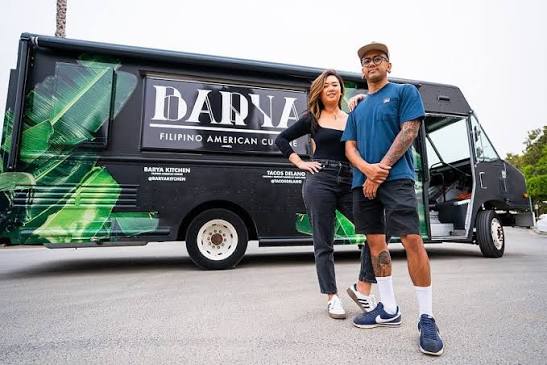
Barya Kitchen describes itself as an owner-operated food pop-up turned food truck, homegrown in San Jose. The business reinterprets traditional Filipino food with American influences, creating a style that reflects nostalgia, comfort, and a willingness to push the edges of what Filipino food can taste like. Its official about page identifies Rod Reyes as founder, co-owner, and chef, and describes him as a first-generation Filipino American born and raised in the South Bay Area.
That makes Barya Kitchen a strong fit for New To Education’s Minority-Owned Business Spotlight series. It is not simply a food truck story. It is a story about Filipino American identity, family memory, Bay Area creativity, and the resilience required to build a small business.
Food trucks often look casual from the outside. But behind the window, there is usually years of work, risk, sacrifice, repair, planning, and personal meaning. Barya Kitchen’s story gives readers a real example of how culture and entrepreneurship can meet on the street, at an event, or wherever a community gathers.
A San Jose Filipino American Food Truck With Roots
Barya Kitchen’s identity starts with place.
The business is homegrown in San Jose, a city with a large and diverse Asian American community, including a strong Filipino American presence. The South Bay is often discussed through technology, housing costs, startups, and Silicon Valley work culture. But it is also a deeply multicultural region where food businesses help communities stay connected to heritage.
Barya Kitchen reflects that local identity. It is not presenting Filipino food as something distant or unfamiliar. It is presenting Filipino food through the lived experience of a first-generation Filipino American chef from the South Bay.
That distinction matters.
For many children of immigrants, food becomes one of the strongest connections between family history and present-day identity. A dish can remind someone of a parent, a grandparent, a celebration, a neighborhood, or a childhood kitchen. Barya Kitchen builds from that emotional space while also adding modern Bay Area influences.
Rod Reyes and the Power of Food Memory
Rod Reyes’s founder story gives Barya Kitchen its deeper meaning.
NBC Bay Area reported that Barya Kitchen is a labor of love for co-founder Rod Reyes, who wanted to honor his late mother, Nilda. Reyes told NBC that he was cooking her food in memory of her because he knew he would not have his mother’s food again.
That detail makes the business more than a menu.
For many people, food is one of the most powerful ways to remember loved ones. Recipes can hold family history. Cooking can become a form of grief, tribute, and preservation. A dish can become a way to keep someone present after they are gone.
Barya Kitchen’s Filipino American food is therefore not only about flavor. It is about memory, inheritance, and carrying something forward.
That is the kind of story that makes a small business meaningful.
Reinterpreting Filipino Food
Barya Kitchen’s official website describes the business as a reinterpretation of traditional Filipino food with American influences.
That idea is important because culture is not frozen. Filipino American food can honor tradition while also reflecting the experiences of people who grew up between cultures. A first-generation Filipino American chef may carry family recipes, neighborhood influences, American food culture, Bay Area creativity, and personal experimentation all at once.
That does not make the food less meaningful. It can make it more personal.
Filipino cuisine itself is already shaped by history, migration, trade, colonization, regional diversity, family traditions, and adaptation. Filipino American food adds another layer to that story.
Barya Kitchen fits into that evolving food conversation. It shows how a business can respect the past while still creating something new.
Why Filipino Food Representation Matters
Filipino food has gained more attention in the United States over the past decade, but it is still often underrepresented compared with other Asian cuisines.
Many Americans may know lumpia, adobo, pancit, or halo-halo, but Filipino food is far more diverse than a short list of familiar dishes. It includes regional cooking traditions, island influences, sour soups, grilled meats, rice dishes, stews, desserts, street food, party food, and family recipes that vary from household to household.
Businesses like Barya Kitchen help widen public understanding.
A food truck can introduce Filipino flavors to customers who might not otherwise seek out a Filipino restaurant. It can appear at festivals, markets, private events, breweries, campuses, and community gatherings. That mobility gives the food a chance to reach different audiences.
Representation is not only about being visible. It is about being experienced, tasted, remembered, and shared.
Food Trucks as Small-Business Classrooms
Food trucks are often some of the most practical examples of entrepreneurship.
They require branding, menu planning, permits, equipment, storage, event coordination, staffing, insurance, maintenance, accounting, social media, customer service, and consistency under pressure. A food truck may look simple to customers, but the business operations can be intense.
Barya Kitchen’s journey from pop-up to food truck shows one route many small food businesses take. Pop-ups allow chefs to test ideas, build community, learn from customers, and grow without immediately taking on the full cost of a permanent restaurant.
A food truck can create more mobility and visibility, but it also comes with its own risks. Mechanical problems, accidents, insurance issues, weather, cancelled gigs, and rising costs can all affect income.
That is why food truck businesses deserve respect. They are not “small” in effort. They are only small in physical space.
Community Support After a Setback
Barya Kitchen’s story also includes resilience.
In late 2023, Bay Area news outlets reported that Barya Kitchen’s food truck was severely damaged after being hit by a stolen truck. ABC7 reported that the damage stalled the Filipino American food truck business, while NBC Bay Area reported that the crash damaged the truck badly enough to interfere with holiday events and income.
In January 2024, ABC7 reported that the San Jose-based food truck was back up and running. Reyes thanked the community for helping and said they wanted to come back harder and support the community that had supported them.
That moment matters.
Small businesses are vulnerable. One accident, one equipment failure, one delayed repair, or one canceled event can create serious financial pressure. When a community rallies around a business, it shows that the business has become more than a vendor. It has become part of people’s lives.
Barya Kitchen’s comeback reflects the relationship between small businesses and the communities they serve.
Filipino American Identity in the Bay Area
The Bay Area has a long and important Filipino American history.
Filipino communities have shaped labor, food, music, arts, caregiving, education, military service, activism, and local culture across Northern California. In cities like San Jose, Daly City, San Francisco, Oakland, and Union City, Filipino American families and businesses have helped build the cultural fabric of the region.
Barya Kitchen belongs to that broader story.
It represents a newer generation of Filipino American entrepreneurship, one that honors family history while building modern brands through pop-ups, food trucks, collaborations, and social media.
This is especially meaningful for younger Filipino Americans who may be looking for examples of culture expressed creatively. A business like Barya Kitchen says that heritage can be both personal and public. It can live in a family memory and also in a growing business.
Why Minority-Owned Business Spotlights Matter
Minority-owned and immigrant-connected businesses play an important role in local communities.
They create jobs, preserve culture, introduce new food traditions, inspire younger entrepreneurs, and help neighborhoods feel more representative of the people who live there. They also show that business ownership can come from deeply personal stories.
A Filipino American food truck like Barya Kitchen can serve customers while also educating them. A person might try Filipino flavors for the first time. A Filipino American customer might feel seen. A young entrepreneur might realize that culture can be a business strength, not something to hide.
That is why spotlighting businesses like this matters. It helps readers understand that small businesses are not only economic units. They are cultural storytellers.
Lessons for Entrepreneurs
Barya Kitchen offers several useful lessons for entrepreneurs.
First, a strong business can begin with personal meaning. Rod Reyes’s connection to his mother’s food gives the brand emotional depth.
Second, location matters. Barya Kitchen’s San Jose and South Bay identity helps connect the business to a specific community.
Third, adaptation can be powerful. Reinterpreting traditional Filipino food with American influences gives the business room to honor heritage while creating something distinct.
Fourth, community relationships matter. Barya Kitchen’s recovery after its truck was damaged shows how customer support can help a small business survive a difficult moment.
Finally, small businesses need resilience. Passion may start the business, but persistence keeps it moving.
Why This Story Matters for New To Education Readers
This story matters because business education should include real examples of culture, family, risk, and resilience.
Students and entrepreneurs often learn about business plans, marketing, profit margins, and branding. Those lessons matter. But businesses are also built from memory, grief, identity, and community support.
Barya Kitchen shows how a Filipino American founder story can become a food business rooted in both tradition and creativity. It shows how a food truck can teach people about culture. It also shows how community support can help a small business recover when something goes wrong.
For New To Education readers, Barya Kitchen is a reminder that entrepreneurship is not always polished or easy. Sometimes it is a truck, a recipe, a memory, a setback, and a community that refuses to let the story end there.
Key Takeaways
Barya Kitchen is a San Jose-born Filipino food pop-up turned food truck founded by Rod Reyes, a first-generation Filipino American chef from the South Bay Area. The business reinterprets traditional Filipino food with American influences, creating a style connected to nostalgia, comfort, and creativity.
The business is also tied to family memory. Local reporting has described Barya Kitchen as a labor of love for Reyes, who wanted to honor his late mother, Nilda, through food.
Barya Kitchen’s story is a strong fit for New To Education’s Minority-Owned Business Spotlight series because it connects Filipino American culture, Bay Area entrepreneurship, food truck resilience, and the community power behind small businesses.
FAQ
What is Barya Kitchen?
Barya Kitchen is a San Jose, California-based Filipino food pop-up turned food truck that reinterprets traditional Filipino food with American influences.
Who founded Barya Kitchen?
Barya Kitchen’s official website identifies Rod Reyes as founder, co-owner, and chef. It describes him as a first-generation Filipino American born and raised in the South Bay Area.
Why is Barya Kitchen a good Minority-Owned Business Spotlight?
Barya Kitchen is a strong spotlight because it highlights Filipino American entrepreneurship, cultural representation, family food memory, small-business resilience, and Bay Area community support.
Is Barya Kitchen officially certified as minority-owned?
This article does not make a formal certification claim. It highlights publicly reported founder identity and business story for educational purposes.
Where is Barya Kitchen located?
Barya Kitchen is based in San Jose, California, and operates as a food truck and catering business.
Related Articles
10 Ways New To Education Can Help Your Business Grow
What You Can Do on New To Education
Sources
Barya Kitchen — Official Website
NBC Bay Area — San Jose Business Asking for Public’s Help After Food Truck Damaged in Crash
Chopsticks Alley — Barya Kitchen and Rod Reyes: What Is Authentic Filipino Food?




