





Editorial Note
Minority-Owned Business Spotlight is a recurring New To Education series highlighting businesses with publicly reported minority, immigrant, veteran, women, or historically underrepresented founder stories. This article is intended for educational and informational purposes only. Inclusion in this series does not constitute an endorsement, sponsorship, paid promotion, certification claim, or recommendation of any company, product, or service. Business details may change over time, so readers should consult official company sources for the most current information.
Some businesses begin with a new invention. Others begin with something much older: family.
Bachan’s Japanese Barbecue Sauce is one of those stories.
Founded by Japanese American entrepreneur Justin Gill, Bachan’s grew from a multi-generational family sauce recipe into one of the most recognizable Japanese-inspired condiment brands in the United States. The company was launched in 2019 in Sebastopol, California, and its name comes from “bachan,” a Japanese colloquial term for grandmother. That detail is not just branding. It is the heart of the company’s story.
Bachan’s is built around the recipe Gill learned from his grandmother, Judy Yokoyama. The company’s official story says the sauce was part of family meals, connection, and heritage long before it ever became a product on store shelves. Gill later turned that family tradition into a business, sharing the sauce as a way to celebrate his family’s Japanese American roots.
For a Minority-Owned Business Spotlight, Bachan’s is a strong story because it connects culture, memory, food, branding, entrepreneurship, and the challenge of scaling something deeply personal without losing what made it meaningful in the first place.
The Story Behind Bachan’s
Bachan’s official story describes the sauce as rooted in family. Gill’s grandmother cooked for the family often, and the sauce became part of shared meals and family connection. Later, she taught the family recipe to Gill and his parents, creating the foundation for what would become the brand.
That matters because food businesses often work best when they are built on real memory.
A sauce is not only a sauce when it comes from family gatherings, childhood meals, and cultural tradition. It carries a story. It carries a feeling. It carries the memory of someone who made it with care.
Bachan’s took that emotional foundation and turned it into a consumer brand.
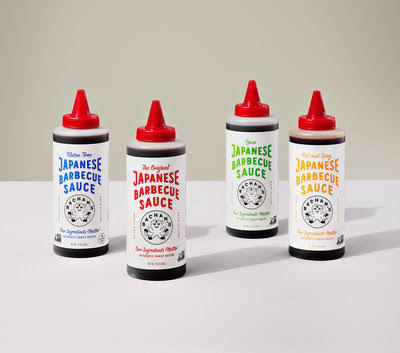
The company’s sauce is marketed as Japanese barbecue sauce, a phrase that helped introduce the product to American shoppers in a way that felt approachable. Instead of hiding its Japanese roots, the brand made them central while also helping customers understand how to use the product in everyday cooking.
That balance between cultural identity and market accessibility is one of the reasons Bachan’s is such a useful business case study.
A Japanese American Founder Story
Justin Gill’s founder story gives Bachan’s its personal weight.
Public profiles describe Gill as a Japanese American entrepreneur from Northern California who spent years trying to bring his family’s sauce to a broader market. Nichi Bei described him as a second-generation Japanese American from Sebastopol, California, and noted that the recipe originated from his grandmother, Judy Yokoyama, who was lovingly known in the family as Bachan.
That cultural connection matters because many minority-owned food businesses are not only selling flavor. They are sharing heritage.
For Japanese American families, food can be one of the strongest ways culture is preserved across generations. Language may fade. Families may move. Communities may change. But recipes often remain. They are cooked, adjusted, remembered, and passed down.
Bachan’s turns that family inheritance into a business.
That does not mean the brand is only nostalgic. It is also modern, strategic, and ambitious. But its strength comes from the fact that the product has roots.
Why the Name Matters
The name “Bachan’s” is one of the smartest parts of the brand.
It feels personal. It feels warm. It signals that the product comes from someone’s grandmother, not from a faceless corporate kitchen. It also invites customers into a cultural story without requiring a long explanation.
Sonoma Brands Capital describes Bachan’s as born from a multi-generational family recipe and named after Gill’s grandmother, explaining that “Bachan” is a Japanese colloquial term for grandmother.
That name gives the brand emotional power.
In business, a strong name can do a lot of work. It can create curiosity. It can communicate identity. It can make a product memorable. Bachan’s does all three.
It also helps the company avoid sounding generic. “Japanese Barbecue Sauce” explains the category, but “Bachan’s” gives the product personality.
That combination is powerful: the category tells customers what it is, and the name tells customers why it matters.
Turning Heritage Into a Scalable Product
One of the hardest things about a family food recipe is scaling it.
A sauce made at home does not automatically become a shelf-ready national brand. Food entrepreneurs have to think about ingredients, packaging, food safety, shelf stability, production volume, distribution, pricing, labeling, customer education, and retail relationships.
That is where Bachan’s story becomes more than sentimental.
Forbes reported that Gill transformed his grandmother’s family recipe into a fast-growing condiment brand. Sonoma Brands Capital says Bachan’s was founded in 2013 and launched in 2019 in Sebastopol, California. PR Newswire also reported that Bachan’s launched in 2019 and later raised a $13 million Series A funding round led by Sonoma Brands Capital to support growth.
That kind of growth shows the business challenge behind the brand.
A founder may begin with passion, but scaling requires operations. It requires strategy. It requires capital. It requires the ability to convince retailers, investors, and customers that the product belongs in kitchens across the country.
Bachan’s is interesting because it managed to grow while still centering the family story.
The Product Strategy
Bachan’s describes its sauces as small batch, cold-filled, non-GMO, and made from a multi-generational family recipe. The brand’s official website also emphasizes authentic Japanese ingredients.
Those details matter because customers are paying attention to more than taste. Many modern shoppers want to know where products come from, what ingredients are used, and whether the brand feels trustworthy.
Bachan’s also positioned itself in a smart way by using the phrase “Japanese barbecue sauce.” Better Homes & Gardens reported that Gill explained this phrase was used to make the family sauce more approachable to the U.S. market, rather than calling it “tare,” which might have placed it only in the international aisle.
That is a useful business lesson.
Sometimes customers need a familiar bridge into something new. Calling the product Japanese barbecue sauce helped American shoppers understand how to use it, while still keeping the brand tied to Japanese flavor and family heritage.
That is not watering down the story. It is translating the story for the market.
Why This Brand Grew
Bachan’s growth did not happen only because the sauce tasted good, although taste obviously matters.
The brand grew because several elements worked together. It had a strong founder story. It had a clear cultural identity. It had simple, memorable packaging. It had a product category customers already understood. It had flexible uses across grilling, dipping, marinating, and everyday cooking. It also arrived at a time when many American consumers were becoming more open to global flavors and pantry upgrades.
Forbes described Bachan’s as one of the fastest-growing condiment brands in America and connected its rise to Gill’s grandmother’s recipe and family story.
That kind of growth says something about the modern food market.
Customers are not only buying ketchup, mustard, hot sauce, and traditional barbecue sauces anymore. They are exploring flavors from around the world. They want products that feel personal, versatile, and culturally meaningful.
Bachan’s entered that space with a product that felt both familiar and new.
The Challenge of Staying Authentic
When a family recipe becomes a national brand, authenticity becomes complicated.
Customers may love the family story, but as the company grows, they may also wonder whether the product still feels true to its roots. That is a fair question for any culturally rooted food business.
Bachan’s has leaned heavily into the idea of staying connected to the original family recipe and preserving the spirit behind the sauce. The official story emphasizes that the recipe came from Gill’s grandmother and was passed through the family. Public profiles also describe the brand’s effort to grow without losing its roots.
That is an important tension.
A small family recipe becomes something different when it is bottled, shipped, sold at major retailers, and scaled for national distribution. But different does not automatically mean inauthentic. A product can grow and still honor the story it came from if the company continues to treat the origin with respect.
For minority-owned businesses, this balance matters. Growth should not require erasing culture.
Food as Cultural Education
Bachan’s is also a good example of food as cultural education.
Many American shoppers may not have grown up with Japanese family sauces, tare-style flavors, mirin, rice vinegar, soy-based sauces, or Japanese American home cooking traditions. A product like Bachan’s can become a first point of contact.
That does not make a bottle of sauce a full lesson in Japanese cuisine, of course. But it can open the door.
A customer may try the sauce, read the label, learn the story, and become curious about Japanese American food traditions. They may begin to understand that culture is not only found in restaurants or textbooks. It is found in family kitchens, grandparents’ recipes, and everyday meals.
That matters for New To Education readers because education happens in many forms.
Food can teach memory. Food can teach migration. Food can teach language. Food can teach identity. Food can also teach entrepreneurship.
Lessons for Minority Entrepreneurs
Bachan’s offers several lessons for minority entrepreneurs.
The first lesson is to value your own story. Gill did not build a brand by hiding the Japanese American family roots behind the sauce. He made them central.
The second lesson is to make the product understandable. “Japanese barbecue sauce” gives customers a clear way to understand the product and imagine how to use it.
The third lesson is that scaling takes time. Bachan’s was founded years before its 2019 launch, showing that successful brands often require long preparation before the public sees them.
The fourth lesson is that culture can be a business strength. A family recipe is not just sentimental. In the right hands, it can become a strong brand foundation.
The fifth lesson is to protect the emotional core of the company. As a business grows, the founder story should not become a gimmick. It should remain part of the company’s values.
Lessons for Students and Families
Students can learn a lot from Bachan’s.
The business shows that entrepreneurship can begin with something already in the family. A recipe, skill, tradition, craft, language, or cultural practice can become the starting point for a larger idea.
Students can also learn that business is not only about invention. Sometimes it is about translation. Gill took a family sauce and found a way to explain it to a wider market. That required branding, storytelling, packaging, customer education, and persistence.
Families can also use Bachan’s story to talk about heritage. Many families have traditions that younger generations may not fully appreciate until later. A sauce, dish, saying, or holiday practice may seem ordinary inside the family, but it can carry deep meaning.
Bachan’s reminds us that what feels normal at home may be special to the world.
Why California Matters in This Story
California is an important part of the Bachan’s story.
The brand launched in Sebastopol, California, and public profiles connect the founder’s family story to Northern California. California has long been home to Japanese American communities, food entrepreneurship, agricultural networks, and consumer markets open to new food brands.
That environment matters.
Food brands often need access to suppliers, retailers, food culture, customers, and investors. California gives many food entrepreneurs a place to test ideas, build communities, and reach shoppers who are interested in global flavors.
Bachan’s is a California business story, but it is also part of a larger Japanese American story of food, family, and adaptation.
Why This Story Matters for New To Education Readers
This story matters because New To Education focuses on learning, growth, culture, and real-world opportunity.
Bachan’s shows how a family recipe can become a business, how cultural heritage can become a brand, and how a founder can turn personal memory into something that reaches national shelves. It also shows students that entrepreneurship does not always begin with a brand-new idea. Sometimes it begins with honoring something old in a new way.
For minority entrepreneurs, Bachan’s is a reminder that culture can be an advantage. For students, it is a lesson in branding and persistence. For families, it is a reminder that traditions matter. For business owners, it is an example of how story, product, and market strategy can work together.
Bachan’s is more than a bottle of sauce.
It is a story about a grandmother’s recipe, a Japanese American family, and the power of sharing heritage through food.
Key Takeaways
Bachan’s Japanese Barbecue Sauce was founded by Japanese American entrepreneur Justin Gill and launched in 2019 in Sebastopol, California.
The brand is built around a multi-generational family recipe passed down from Gill’s grandmother, Judy Yokoyama, who was lovingly known as Bachan.
The company used the phrase “Japanese barbecue sauce” to help introduce the family sauce to the U.S. market in an approachable way while keeping its Japanese American roots central.
Bachan’s growth shows how minority-owned food businesses can combine cultural heritage, smart branding, product quality, and persistence to reach national customers.
For New To Education readers, Bachan’s is a strong example of entrepreneurship rooted in family, culture, memory, and practical business strategy.
FAQ
What is Bachan’s?
Bachan’s is a Japanese barbecue sauce brand founded by Justin Gill. The company sells Japanese-inspired sauces based on Gill’s family recipe.
Who founded Bachan’s?
Bachan’s was founded by Japanese American entrepreneur Justin Gill.
Where did Bachan’s start?
Bachan’s launched in 2019 in Sebastopol, California.
What does “Bachan” mean?
“Bachan” is a Japanese colloquial term for grandmother. The brand name honors Gill’s grandmother, Judy Yokoyama, whose family sauce recipe inspired the company.
Why is Bachan’s a good Minority-Owned Business Spotlight?
Bachan’s connects Japanese American heritage, family recipes, food entrepreneurship, branding, and national business growth. It is a strong example of how cultural memory can become a modern business.
Related Articles
10 Ways New To Education Can Help Your Business Grow
What You Can Do on New To Education
Sources
Sonoma Brands Capital — Bachan’s
Forbes — The Secret Sauce Behind This Japanese Barbecue Sauce? Grandma.
PR Newswire — Bachan’s Completes $13 Million Series A Funding Round
SFGATE — How the Bay Area’s Bachan’s Japanese Barbecue Sauce Stayed True to Its Roots
Nichi Bei — Bachan’s: A Special Sauce That’s Generations in the Making
Better Homes & Gardens — What Is Japanese BBQ Sauce?
Food Business News — Bachan’s Raises $13 Million
New To Education — 10 Ways New To Education Can Help Your Business Grow




