


Editorial Note
Minority-Owned Business Spotlight is a recurring New To Education series highlighting businesses with publicly documented minority, immigrant, women, veteran, Indigenous, or historically underrepresented ownership stories.
This article is intended for educational and informational purposes only. Inclusion does not constitute an endorsement, paid promotion, sponsorship, formal certification claim, investment recommendation, or recommendation of any company, product, alcoholic beverage, or service.
New To Education is not affiliated with Séka Hills, the Yocha Dehe Wintun Nation, its employees, agricultural partners, distributors, tasting rooms, or related tribal enterprises.
Séka Hills produces and sells wine. Alcohol should only be purchased or consumed by adults who meet the legal drinking-age requirements in their location. Alcohol carries health and safety risks, and some individuals should avoid it entirely.
Product availability, tasting-room schedules, prices, agricultural output, and operating details may change. Readers should confirm current information through official sources before visiting or purchasing.
A bottle of olive oil may appear to be a simple product.
Behind it, however, are decisions involving land, water, agriculture, labor, technology, cultural identity, and who benefits economically from the resources of a region.
Séka Hills brings those questions together.
Owned and operated by the Yocha Dehe Wintun Nation, Séka Hills is a Native American agricultural brand based in Northern California’s Capay Valley.
The company produces certified extra virgin olive oil, wine, honey, balsamic vinegar, nuts, beef products, and other seasonal goods cultivated on Yocha Dehe farmland.
Its name comes from the Patwin word séka, meaning “blue,” and honors the blue hills overlooking the Tribe’s homeland.
That name is not a decorative attempt to borrow Indigenous identity.
The business belongs to the Tribe whose people have lived in the Capay Valley for thousands of years.
Séka Hills therefore represents more than a premium food brand.
It is an example of tribal self-reliance, agricultural diversification, environmental stewardship, and Native ownership within one of the most economically important farming states in the country.
A Business Owned by the Yocha Dehe Wintun Nation
The Yocha Dehe Wintun Nation is a federally recognized sovereign tribal nation based in Yolo County, California.
Its people are Patwin, part of the larger Wintun cultural and linguistic family of Northern California.
The Tribe describes Yocha Dehe as meaning “Home by the Spring Water.”
For thousands of years, the Tribe’s ancestors lived in the oak forests, grasslands, hills, and waterways of the Capay Valley.
The region was not simply scenery.
It provided food, water, materials, ceremony, language, identity, and relationships with the natural environment.
Today, the Yocha Dehe Wintun Nation operates its own government, public services, cultural programs, agricultural enterprises, community fund, fire department, school, and several businesses.
Séka Hills is one of those tribally owned enterprises.
The distinction between a tribally owned company and a business that merely uses Native imagery is important.
Séka Hills is not presenting Indigenous culture from outside the community.
Its ownership, name, land, and operating philosophy are directly connected to the Yocha Dehe Wintun Nation.
The Meaning Behind the Séka Hills Name
In the Patwin language, séka means blue.
The business chose the name Séka Hills to honor the blue hills overlooking the Capay Valley and to reflect the Tribe’s relationship with its land, language, and cultural heritage.
Business names can serve many purposes.
Some are selected because they sound fashionable or are easy to market.
Séka Hills uses its name to make a direct connection between the products, the landscape, and the people who own the enterprise.
Language preservation is especially significant for Native nations.
Indigenous languages throughout the United States were damaged through colonization, forced assimilation, boarding schools, displacement, and government policies that discouraged or punished Native children for speaking their languages.
Using a Patwin word within a tribally owned business does not reverse that history by itself.
It does, however, place Native language visibly within a modern economic setting.
The name communicates that the Tribe’s language is not only a subject of the past.
It remains part of contemporary identity, government, agriculture, and commerce.
Agriculture as an Expression of Tribal Self-Reliance
Séka Hills is part of a much larger farming and ranching operation.
The Yocha Dehe Wintun Nation reports owning more than 25,000 acres in production and operating one of Yolo County’s most diverse agricultural enterprises.
Its land supports numerous crops, including olives, wine grapes, nuts, vegetables, grains, and other agricultural products.
The Tribe also manages cattle and rangeland.
This diversification matters.
Agriculture can be unpredictable. Weather, drought, pests, disease, labor shortages, global prices, transportation, and consumer demand can all affect profitability.
A farm relying on one crop may face severe financial danger when conditions change.
Producing several crops and value-added products can distribute risk.
It can also create more opportunities to process, package, market, and sell goods under a tribally owned brand rather than selling only raw commodities to outside companies.
Séka Hills allows the Tribe to participate in more stages of the economic process.
Instead of growing olives and allowing another company to control milling, branding, and retail, the Tribe can produce olive oil under its own name and maintain a greater share of the value created by the land.
From Field to Bottle
Séka Hills describes its products as grown on Yocha Dehe farmland in the Capay Valley.
Its major offerings include certified extra virgin olive oil, estate wine, wildflower honey, balsamic vinegar, walnuts, almonds, and other seasonal products.
The company also sells beef-related goods and curated items through its tasting rooms and online store.
The phrase “from field to bottle” is especially relevant to the olive-oil operation.
Olive quality can begin declining after harvest, making rapid milling important.
The Séka Hills Olive Mill is located close to regional orchards, allowing olives to be pressed within hours of harvest.
The Tribe’s official description says the mill also provides custom milling, storage, and bottling services for tribal and local growers.
That creates a broader economic role.
The facility does not serve only Séka Hills.
It can strengthen agricultural infrastructure for nearby producers who may not possess their own milling equipment.
Why Olive Oil Became a Major Product
Northern California’s climate can support varieties of olives suited to oil production.
Olive trees are generally adapted to Mediterranean-type conditions involving dry summers and relatively mild, wetter winters.
However, growing olives successfully still requires careful choices involving variety, soil, irrigation, harvest timing, pests, and processing.
Producing premium extra virgin olive oil involves more than extracting liquid from fruit.
The olives must be harvested and milled carefully, and the final oil must meet chemical and sensory standards.
Poor storage, excessive heat, age, damaged fruit, or slow processing can reduce quality.
Séka Hills has positioned olive oil as one of its flagship products.
Its olive mill also creates a direct visitor experience, allowing customers to see that olive oil is an agricultural product connected to orchards, harvests, and machinery—not simply something that appears in a grocery-store bottle.
That educational element can increase appreciation for both the product and the labor behind it.
Wine Connects the Brand With California Agriculture
Séka Hills also produces estate wines from grapes grown on tribal land.
Wine is one of California’s most visible agricultural industries, but Native ownership is rarely centered in the public image of California wine.
Visitors may associate the industry primarily with Napa, Sonoma, European grape traditions, and privately owned estates.
Séka Hills broadens that image.
Its wine business demonstrates that tribal nations can participate in premium agriculture while maintaining control of their land, branding, and economic development.
Wine also allows the company to create a hospitality experience through tastings, food pairings, events, and direct relationships with customers.
At the same time, alcohol requires responsible communication.
Cultural curiosity, tourism, or support for a Native-owned business should never pressure someone to drink.
Customers can engage with Séka Hills through olive oil, honey, nuts, food, gifts, agricultural education, and other nonalcoholic products.
Honey, Nuts, and Other Products Build a Wider Agricultural Brand
Séka Hills is not limited to wine and olive oil.
The company’s product range includes honey, nuts, balsamic vinegar, pickled goods, body-care products, beef offerings, and seasonal agricultural products.
This wider selection helps the business serve different customers.
Someone who does not drink alcohol may purchase olive oil or honey.
A visitor looking for a gift may select nuts, vinegar, or a curated box.
Restaurants and specialty retailers may be interested in wholesale agricultural products.
Diversification also reinforces the message that the business represents a working agricultural operation rather than only a tasting-room brand.
Each product comes from a larger system involving soil, crops, pollinators, water, workers, processing, storage, packaging, and distribution.
A successful agricultural business must coordinate all of those pieces.
Sustainability as a Long-Term Responsibility
Séka Hills connects its environmental practices to the Yocha Dehe Wintun Nation’s responsibility to protect its homeland for future generations.
The Tribe reports using high-efficiency irrigation, including underground drip systems in certified organic fields.
It also describes using solar-powered pumps, erosion-control efforts, riparian restoration, cross-fencing, and improved water distribution.
More than 1,200 acres of Yocha Dehe land are reportedly protected through permanent conservation easements.
The business also states that crops are selected partly according to their suitability for Capay Valley soils and climate.
These practices reflect both environmental and economic concerns.
Water is limited and expensive.
Erosion can damage waterways and productive soil.
Poorly selected crops may require greater irrigation, chemical use, or financial investment.
Sustainability therefore should not be understood only as a public-relations message.
For a tribal nation with a multigenerational relationship to the land, damaging the environment would also threaten future economic independence and cultural continuity.
Native Stewardship Is More Than a Marketing Phrase
Many modern companies use words such as natural, sustainable, responsible, and earth-friendly.
Those terms can become vague when they are not connected to measurable actions.
Séka Hills places stewardship within the history and worldview of the Yocha Dehe Wintun Nation.
The Tribe describes its decisions as being influenced by the responsibility to preserve environmental balance and protect the land for future generations.
That does not mean every tribal agricultural decision is automatically perfect or beyond evaluation.
Large-scale agriculture still uses land, machinery, energy, packaging, transportation, and water.
The more meaningful distinction is that the Tribe approaches the land as a homeland it expects to remain connected to across generations.
A company planning only for the next quarter may make different decisions from a sovereign nation planning for descendants who will continue living in the region.
That longer perspective is one of the most important lessons within the Séka Hills business model.
The Olive Mill Supports Local Growers
The Séka Hills Olive Mill represents a form of infrastructure that can benefit the wider agricultural community.
Small and midsize olive growers may be capable of producing excellent fruit but lack the equipment required to mill, store, and bottle oil.
Transporting olives over long distances can also affect freshness and increase costs.
By offering custom milling and related services, the Yocha Dehe Wintun Nation can generate business revenue while helping nearby growers maintain product quality.
This creates a local economic network.
The Tribe is not operating in isolation from surrounding farmers.
Its investment in equipment can serve tribal production while also becoming a resource for the region.
Community-based economic development often works best when infrastructure creates several layers of value.
The mill processes the Tribe’s olives, supports neighboring farms, creates employment, attracts visitors, and strengthens the Séka Hills brand.
Tasting Rooms Turn Agriculture Into Education
Séka Hills operates tasting rooms in Brooks and Midtown Sacramento.
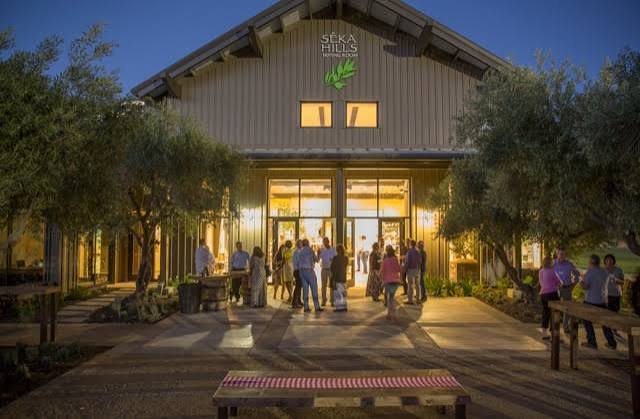
The Brooks tasting room is located within the Tribe’s olive-mill facility, allowing visitors to connect products with the agricultural and processing environment behind them.
Guided tastings may include olive oils, wines, honey, nuts, and other products.
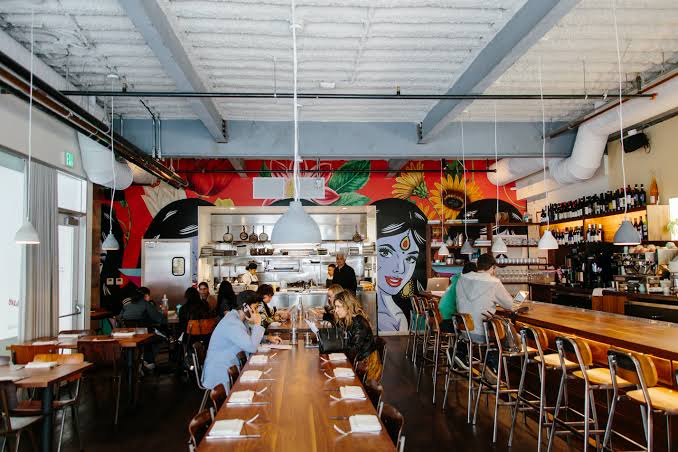
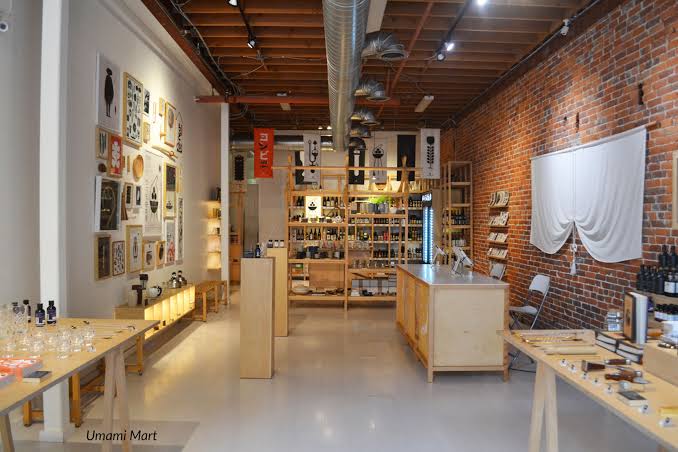
The Midtown Sacramento location offers a more urban experience, with small plates, local products, gifts, tastings, and events.
The company’s official site identifies the Midtown tasting room as owned and operated by the Yocha Dehe Wintun Nation.
It also lists food prepared with Séka Hills olive oil, Yocha Dehe ranch-raised beef, and farm products.
These locations allow the business to explain its ownership and agricultural story directly.
A supermarket shelf provides limited space for education.
A tasting room allows customers to ask questions, compare products, learn how olive oil is evaluated, and understand the connection between the Tribe and the Capay Valley.
The Business Challenges Narrow Views of Native Enterprise
Native American businesses are often discussed almost exclusively in connection with gaming.
Gaming has provided important revenue and self-determination opportunities for many tribal nations, particularly after centuries of land loss, economic exclusion, and restrictions on development.
However, Native economies are far more diverse than casinos.
Tribes operate farms, hotels, construction companies, energy projects, technology services, healthcare facilities, restaurants, retail operations, cultural enterprises, and professional organizations.
Séka Hills helps make that diversity visible.
The Yocha Dehe Wintun Nation does operate Cache Creek Casino Resort, but its agricultural operations demonstrate a broader economic strategy.
Diversification can reduce dependence on one industry while creating businesses connected more directly to land, food, conservation, and regional agriculture.
The point is not to present farming as more authentic than gaming.
Both can support sovereign tribal governments.
The point is that Native nations should not be reduced to a single business category.
Tribal Ownership Is Different From Individual Ownership
Most minority-owned business spotlights focus on an individual founder or family.
Séka Hills is different because it is owned by a tribal nation.
A tribal nation is not merely a racial or cultural organization.
It is a sovereign political entity with its own government, citizens, laws, responsibilities, and institutions.
Revenue from a tribally owned enterprise can support services for the tribal community, including education, healthcare, cultural preservation, public safety, environmental work, housing, and government operations.
This creates a different relationship between business success and community development.
The owners are not only individual shareholders seeking private profit.
The enterprise can become part of the economic foundation of a sovereign government.
Understanding this difference helps explain why Native-owned business development is closely connected to self-determination.
Agriculture Can Support Cultural Continuity
The Yocha Dehe Wintun Nation’s connection to the Capay Valley existed long before the creation of Séka Hills.
Modern commercial agriculture is not identical to the traditional food systems of the Tribe’s ancestors.
Vineyards, olive orchards, bottling equipment, and online sales reflect contemporary economic conditions.
Still, farming allows the Tribe to maintain an active relationship with its homeland.
Land remains productive, protected, and controlled by the Native nation connected to it.
That matters in a state where Indigenous peoples lost enormous amounts of land through colonization, violence, forced removal, broken agreements, and government policies.
Agricultural ownership can help reverse part of the historic pattern in which Native land generated wealth primarily for others.
Séka Hills allows the Yocha Dehe Wintun Nation to cultivate products, build infrastructure, employ people, and market goods under its own name.
Education Is Part of the Stewardship Model
The Tribe reports working with schools and environmental organizations through field-day programs that allow students to learn about land and water stewardship.
These programs connect agricultural business with environmental education.
Students can see how conservation decisions affect working farms rather than discussing sustainability only in abstract terms.
They may learn about irrigation, soil, erosion, habitat, crops, water systems, and the long-term consequences of land-management choices.
This educational approach also provides a more accurate image of Native communities.
Students encounter a contemporary tribal nation operating farms, using technology, managing natural resources, and planning for future generations.
Native people are often taught only through historical units focused on life before European settlement.
Séka Hills demonstrates that Native nations are modern governments and economic actors shaping California today.
Supporting Native-Owned Businesses Requires Accuracy
Consumers who want to support Native-owned businesses should verify ownership rather than relying on names, designs, or packaging.
Many products use feathers, geometric patterns, tribal-sounding words, or general references to Native culture without Native ownership.
Some may even imitate Indigenous art without compensating Native creators.
Séka Hills makes verification straightforward because the Yocha Dehe Wintun Nation identifies it as a tribal enterprise through the Tribe’s official government website.
Customers can therefore understand who owns the business and how it connects to the community.
Supporting Native-owned businesses should also involve respect for cultural boundaries.
Purchasing a product does not create ownership over tribal knowledge, ceremony, sacred imagery, or identity.
A customer can appreciate olive oil, honey, food, or agricultural education without treating the Tribe’s culture as a commodity.
What Entrepreneurs Can Learn From Séka Hills
Séka Hills offers several useful lessons for entrepreneurs and community leaders.
The first is that ownership of the value chain matters.
Growing a crop creates one level of value. Processing, packaging, branding, hospitality, and retail create additional levels.
By participating in several stages, the Tribe can retain more economic benefit.
The second lesson is the value of diversification.
Wine, olive oil, honey, nuts, milling services, events, retail, and hospitality create several revenue paths rather than relying on one product.
The third lesson is that a business story should be connected to real ownership and operations.
Séka Hills does not use Native identity as an outside marketing concept. The business is operated by the Native nation whose homeland and language shape the brand.
The fourth lesson is that long-term environmental planning can support commercial stability.
Protecting water, soil, and rangeland is not separate from economic success in agriculture.
Finally, infrastructure can strengthen an entire region.
The olive mill serves the Tribe while also supporting other growers.
Why This Business Matters for Students
Séka Hills can support learning across several subjects.
Business students can examine vertical integration, branding, agricultural diversification, tourism, and tribal enterprise.
Environmental-science students can study irrigation, conservation easements, erosion, water management, and crop selection.
History and social-studies students can learn about California Native nations, sovereignty, land loss, and modern tribal government.
Culinary students can study olive oil, regional agriculture, food processing, and product quality.
Language students can explore why the use and revitalization of Patwin words matter.
The business demonstrates that education does not need to divide economics, history, culture, and the environment into unrelated categories.
A single bottle of olive oil can connect all four.
Key Takeaways
Séka Hills is a Native American-owned agricultural brand operated by the Yocha Dehe Wintun Nation in Northern California.
The business is based in the Capay Valley, the traditional homeland of the Tribe’s Patwin people.
The word séka means blue in the Patwin language and honors the blue hills overlooking the valley.
Séka Hills produces certified extra virgin olive oil, wine, honey, balsamic vinegar, nuts, beef products, and other agricultural goods.
The Yocha Dehe Wintun Nation reports managing more than 25,000 acres in production and one of Yolo County’s most diverse farming operations.
Its olive mill provides milling, storage, and bottling services for tribal production and other regional growers.
The Tribe uses high-efficiency irrigation, conservation easements, erosion-control projects, solar pumps, and other land-management practices.
Séka Hills operates tasting rooms in Brooks and Midtown Sacramento.
The company demonstrates how tribal ownership, agriculture, hospitality, conservation, and cultural identity can support Native self-reliance.
As a tribally owned enterprise, its economic role differs from that of a privately owned company because revenue can support the institutions and responsibilities of a sovereign Native nation.
This article is informational and does not constitute an endorsement, sponsorship, alcohol recommendation, or formal certification claim.
FAQ
Is Séka Hills Native American-owned?
Yes. Séka Hills is owned and operated by the Yocha Dehe Wintun Nation, a federally recognized tribal nation in Northern California.
Where is Séka Hills located?
Its agricultural operations are based in the Capay Valley. The company operates visitor locations in Brooks and Midtown Sacramento, California.
What does Séka mean?
Séka means blue in the Patwin language. The name honors the blue hills overlooking the Yocha Dehe Wintun Nation’s homeland.
What products does Séka Hills sell?
Products include extra virgin olive oil, wine, honey, balsamic vinegar, nuts, beef-related products, pickled goods, gifts, and seasonal agricultural items.
Does Séka Hills grow its own products?
Many of its major products are grown or produced using crops and resources from Yocha Dehe farmland in the Capay Valley.
What is the Séka Hills Olive Mill?
It is a processing facility used to produce the Tribe’s olive oil while also offering milling, storage, and bottling services to other growers.
Can visitors tour Séka Hills?
The business offers tasting and visitor experiences at its Brooks olive mill and tasting room. Availability and schedules should be confirmed directly before visiting.
Does Séka Hills have a Sacramento location?
Yes. The company operates a Midtown Sacramento tasting room featuring tribal agricultural products, tastings, food, and gifts.
Why is tribal ownership important?
A tribal enterprise is owned by a sovereign Native nation. Its revenue can contribute to tribal government, community programs, economic independence, cultural preservation, and public services.
Is this article recommending alcohol?
No. Wine is only one part of the company’s product line. This article does not recommend alcohol consumption, and customers can support the business through many nonalcoholic products.
Final Thoughts
Séka Hills shows what Native American business ownership can look like when land, language, agriculture, and sovereignty are allowed to support one another.
The Yocha Dehe Wintun Nation is not using the Capay Valley merely as a backdrop for a brand.
It is operating within its ancestral homeland, making decisions intended to protect that land while also creating modern economic opportunity.
The company’s olive oils, wines, honey, and other products are commercial goods.
They are also evidence of control.
The Tribe owns the land, develops the crops, operates infrastructure, creates the brand, welcomes visitors, and tells its own story.
That level of ownership matters because Native communities have so often watched wealth leave their lands while others controlled the business, government, or narrative.
Séka Hills represents a different model.
The land produces value, but the Native nation connected to that land participates directly in creating and retaining it.
For entrepreneurs, the business offers lessons in diversification, sustainability, infrastructure, and branding.
For students, it offers a contemporary example of tribal sovereignty in practice.
For consumers, it provides an opportunity to support a Native-owned enterprise whose identity can be verified through the Tribe itself.
Séka Hills is not important simply because it sells high-quality agricultural products.
It is important because it shows that Indigenous tradition and modern enterprise do not belong to separate worlds.
In the Capay Valley, they are growing together.
Related Articles
Minority-Owned Business Spotlight: Arrow’s Native Foods
https://www.newtoeducation.com/view-blog/minority-owned-business-spotlight-arrows-native-foods-6a4cd6eb5e90e
Minority-Owned Business Spotlight: Wahpepah’s Kitchen Reclaims Native Foodways in Oakland
https://www.newtoeducation.com/view-blog/minority-owned-business-spotlight-wahpepahs-kitchen-reclaims-native-foodways-in-oakland-6a4f56744016a
Sources
Yocha Dehe Wintun Nation — Séka Hills
Séka Hills — Land and Agricultural Operations
Séka Hills — Sustainable Practices
Séka Hills — Brooks Olive Mill and Tasting Room