





Editorial Note
Minority-Owned Business Spotlight is a recurring New To Education series highlighting businesses with publicly reported minority, immigrant, veteran, women, or historically underrepresented founder stories. This article is intended for educational and informational purposes only. Inclusion in this series does not constitute an endorsement, sponsorship, paid promotion, certification claim, or recommendation of any company, product, or service. Business details may change over time, so readers should consult official company sources for the most current information.
Some restaurants serve meals. Others serve memory, history, and reclamation.
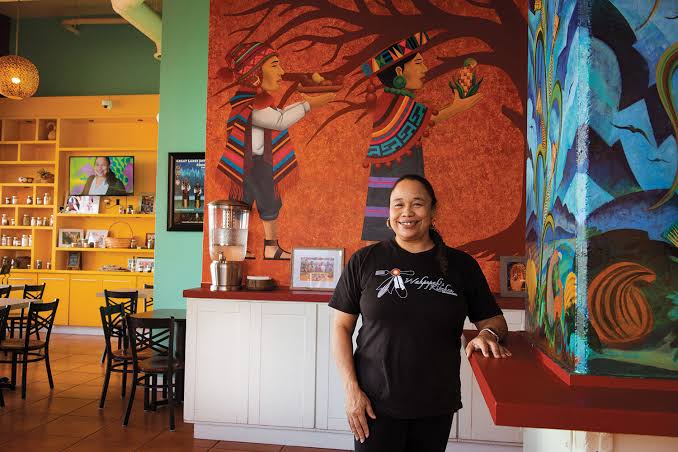
Wahpepah’s Kitchen in Oakland, California, belongs in that second category.
Led by Crystal Wahpepah, a Kickapoo chef and enrolled member of the Kickapoo Nation of Oklahoma, Wahpepah’s Kitchen centers Indigenous foods, Native foodways, and cultural education. The restaurant is located in Oakland’s Fruitvale neighborhood and has become one of the most important Native food businesses in the Bay Area.
Its story is not only about opening a restaurant. It is about restoring visibility to Native food systems that were pushed aside through colonization, displacement, and generations of cultural erasure.
For a Minority-Owned Business Spotlight, Wahpepah’s Kitchen is a powerful choice because it connects Native American entrepreneurship, food sovereignty, community healing, cultural preservation, and education. It reminds readers that food is never just food. Food can carry land, language, ceremony, memory, and identity.
The Story Behind Wahpepah’s Kitchen
Wahpepah’s Kitchen is led by Chef Crystal Wahpepah, who was born and raised in Oakland within a multi-tribal urban Native community. The American Indian Cultural District describes her as an enrolled member of the Kickapoo Nation of Oklahoma and notes that she grew up on Ohlone land surrounded by Native community.
That local and tribal connection matters.
Oakland is not often the first place people think of when they hear “Native food,” but that is part of why Wahpepah’s Kitchen is so important. Native people are not only part of the past. Native communities are still here, including in major cities. Wahpepah’s Kitchen makes that reality visible through food.
The restaurant gives people a place to experience Indigenous ingredients and dishes in a way that is rooted in community, not stereotype.
That makes the business both a restaurant and a cultural space.
Native Food as Reclamation
Wahpepah’s Kitchen is often described through the language of reclamation.
That word matters because Native food systems were deeply disrupted by colonization, forced removal, land loss, boarding schools, government policy, and the destruction of traditional food access. Many Indigenous communities were separated from the foods that had sustained them for generations.
Reclaiming Native food is therefore not only about taste. It is about restoring knowledge.
KQED reported that Wahpepah opened the restaurant during the pandemic as a space to help heal Native people by reconnecting them with Native foods. That idea is central to understanding the business. Wahpepah’s Kitchen does not treat Indigenous food as a trend. It treats it as a living cultural practice.
Food sovereignty is part of that mission.
Food sovereignty means communities having control over their own food systems, including what they grow, gather, cook, teach, and pass down. Wahpepah’s Kitchen helps bring that conversation into public view.
A Restaurant Built Around Indigenous Ingredients
Wahpepah’s Kitchen highlights ingredients connected to Native food traditions, including foods such as corn, beans, squash, wild rice, bison, berries, seeds, herbs, and other Indigenous ingredients.
These foods carry history.
Corn, beans, and squash are often known as the Three Sisters in many Indigenous agricultural traditions because they grow together in a mutually supportive way. Corn provides a structure for beans, beans help enrich the soil, and squash spreads along the ground to help retain moisture and reduce weeds. That relationship is more than agriculture. It is also a lesson in balance, cooperation, and sustainability.
When a restaurant like Wahpepah’s Kitchen serves Indigenous ingredients, it is not simply creating a menu. It is helping guests understand a different relationship to food and land.
That relationship is one of respect, reciprocity, and memory.
Crystal Wahpepah’s Founder Story
Crystal Wahpepah’s story is also a founder story.
Before opening her restaurant, Wahpepah built a catering business and participated in food entrepreneurship programs. Her earlier business page described her dream of making her Native community, family, and children proud by opening a restaurant in the San Francisco Bay Area.
That dream eventually became Wahpepah’s Kitchen.
Her journey shows that entrepreneurship often grows through many stages. A founder may begin with catering, pop-ups, community events, training programs, and small opportunities before opening a permanent space. Every stage teaches something.
Wahpepah’s story also shows how personal mission can become a business foundation. She was not only trying to enter the restaurant industry. She was trying to create a place where Indigenous food, Native community, and cultural knowledge could be honored.
That kind of mission gives a business depth.
Why Oakland Matters
Oakland matters deeply in this story.
Crystal Wahpepah grew up in Oakland, and the city has long been home to urban Native communities. Many people think of Native identity only in relation to reservations or rural spaces, but Native people have also built strong communities in cities across the United States.
That urban Native experience deserves more attention.
Wahpepah’s Kitchen helps make Oakland’s Native presence visible. It also reminds customers that Indigenous history is not something disconnected from modern city life. Native people live, work, cook, organize, teach, and build businesses in places like Oakland today.
This is why the restaurant’s location is meaningful.
It is not only serving Native food in California. It is doing so in a city where Native identity, migration, activism, and community have important histories.
Food as Education
Wahpepah’s Kitchen fits New To Education especially well because the restaurant teaches through food.
A guest may arrive for lunch, but they may leave having learned something about Indigenous ingredients, Native resilience, food sovereignty, land, or community. That kind of education can be powerful because it does not feel like a lecture. It happens through taste, conversation, menu language, atmosphere, and curiosity.
Food can teach people things that textbooks sometimes struggle to communicate.
A dish can show that Indigenous cuisine is diverse, living, and innovative. A meal can challenge the false idea that Native food belongs only to the past. A restaurant can help correct the erasure of Native communities from everyday public life.
That is why Wahpepah’s Kitchen matters beyond the dining room.
It helps people learn with their senses.
Challenging Stereotypes About Native Cuisine
Many Americans have limited knowledge of Native cuisine.
Some may think only of fry bread, Thanksgiving narratives, or vague ideas about “traditional foods.” Those narrow images do not reflect the diversity of Native food traditions across different tribes, regions, climates, and histories.
Wahpepah’s Kitchen challenges that.
The restaurant presents Indigenous food as vibrant, creative, seasonal, and rooted in relationships with land and community. It shows that Native cuisine can be both ancestral and contemporary. It can honor older foodways while also creating new dishes for modern diners.
That balance matters because culture is not frozen.
Native food traditions continue to evolve. Indigenous chefs are not only preserving the past. They are also shaping the future of American food.
Food Sovereignty and Community Healing
One of the most important ideas connected to Wahpepah’s Kitchen is food sovereignty.
For Indigenous communities, food sovereignty is closely tied to health, land, culture, and self-determination. When communities lose access to traditional foods, they can also lose parts of language, ceremony, ecological knowledge, and wellness practices.
Reconnecting with traditional foods can be healing.
That does not mean one restaurant can solve generations of harm. It cannot. But a restaurant can be part of a larger movement. It can support Native producers, teach customers, create jobs, host conversations, and inspire people to think differently about food.
Wahpepah’s Kitchen is part of that larger Indigenous food movement.
It helps show that food can be resistance, healing, and education at the same time.
Recognition and Visibility
Crystal Wahpepah has received national attention for her work.
Her official site notes that she was the first Native American chef featured on Food Network’s “Chopped.” Other profiles have noted her role as a leader in Native food and Indigenous culinary education. Civil Eats described her Oakland restaurant as reflecting her Kickapoo, Sac and Fox, and African American heritage, with dishes influenced by both Oakland and Shawnee, Oklahoma.
Recognition matters because Native chefs and Native-owned food businesses have often been underrepresented in mainstream food media.
When chefs like Wahpepah receive attention, it can help widen the public understanding of American cuisine. It can also create more opportunities for Native food businesses, Indigenous farmers, land stewards, and future chefs.
Visibility is not the same as justice, but it can help open doors.
Lessons for Minority Entrepreneurs
Wahpepah’s Kitchen offers several lessons for minority entrepreneurs.
The first lesson is to build from identity with confidence. Wahpepah’s Kitchen does not hide its Native foundation. It centers it.
The second lesson is to treat business as community work. The restaurant is not only selling meals. It is creating a place for cultural connection and learning.
The third lesson is to educate customers. When a business is rooted in a culture that has been misunderstood or erased, education becomes part of the work.
The fourth lesson is to build relationships with suppliers and community. Native foodways are not only about individual chefs. They involve farmers, gatherers, seed keepers, elders, families, and cultural knowledge holders.
The fifth lesson is to be patient with growth. A mission-driven business may take years of catering, training, networking, and community support before becoming a permanent space.
Lessons for Students and Families
Students can learn a lot from Wahpepah’s Kitchen.
The restaurant shows that entrepreneurship can be connected to history, land, culture, and social responsibility. It also shows that food careers can involve more than cooking. They can involve education, farming, storytelling, public health, cultural preservation, media, business management, and community leadership.
Families can also use this story to talk about Native American history in a more complete way. Native people are not only historical figures in textbooks. Native communities are present today, creating businesses, preserving culture, and leading important conversations about food and land.
That lesson matters.
Education should help students understand Native people as living communities, not as a chapter that ended in the past.
Why Native American-Owned Businesses Matter
Native American-owned businesses matter because they support self-determination, cultural preservation, economic development, and community visibility.
For generations, Native communities have faced land theft, forced removal, assimilation policies, economic exclusion, and cultural erasure. Native-owned businesses are one way communities continue to create futures on their own terms.
A business like Wahpepah’s Kitchen is especially meaningful because it does not separate economic activity from cultural responsibility.
It shows that a restaurant can support a community’s identity. It can make Native food visible. It can help preserve traditional knowledge. It can also invite non-Native customers to learn respectfully.
That is the strength of this business spotlight.
Why This Story Matters for New To Education Readers
This story matters because New To Education focuses on learning, opportunity, culture, and real-world growth.
Wahpepah’s Kitchen is a reminder that education does not only happen in schools. It can happen at a table. It can happen through a dish of blue corn mush, bison chili, wild rice, squash, beans, or other Indigenous foods. It can happen when a restaurant helps people ask better questions about land, history, and community.
For students, this is a lesson in Native foodways and entrepreneurship. For families, it is a reminder that food carries identity. For future business owners, it shows how mission and culture can become the foundation of a company. For communities, it highlights the importance of supporting businesses that preserve knowledge and create visibility.
Wahpepah’s Kitchen is more than a restaurant.
It is a place where food becomes memory, culture becomes education, and business becomes a form of reclamation.
Key Takeaways
Wahpepah’s Kitchen is a Native American-owned restaurant in Oakland, California, led by Chef Crystal Wahpepah.
Crystal Wahpepah is an enrolled member of the Kickapoo Nation of Oklahoma and was raised in Oakland’s urban Native community.
The restaurant centers Indigenous ingredients, Native foodways, food sovereignty, and cultural reclamation.
Wahpepah’s Kitchen is a strong Minority-Owned Business Spotlight because it connects Native entrepreneurship, community healing, food education, and the ongoing presence of Indigenous people in California.
For New To Education readers, the business offers a powerful lesson: food can preserve culture, challenge stereotypes, and teach history in a deeply human way.
FAQ
What is Wahpepah’s Kitchen?
Wahpepah’s Kitchen is a Native American-owned restaurant in Oakland, California, focused on Indigenous foods and Native foodways.
Who owns Wahpepah’s Kitchen?
Wahpepah’s Kitchen is led by Chef Crystal Wahpepah, a Kickapoo chef and enrolled member of the Kickapoo Nation of Oklahoma.
Why is Wahpepah’s Kitchen important?
The restaurant helps reclaim and celebrate Indigenous foodways while educating the public about Native food sovereignty, culture, and community.
What kind of food does Wahpepah’s Kitchen serve?
The restaurant features Indigenous ingredients and dishes connected to Native food traditions, including foods such as corn, beans, squash, wild rice, bison, berries, and other seasonal ingredients.
Why is this a good Minority-Owned Business Spotlight?
Wahpepah’s Kitchen is a strong spotlight because it connects Native American entrepreneurship, cultural preservation, food sovereignty, education, and community healing.
Related Articles
10 Ways New To Education Can Help Your Business Grow
What You Can Do on New To Education
Sources
Wahpepah’s Kitchen — Official Website
Wahpepah’s Kitchen — Earlier Business Site
KQED — How Oakland Restaurant Wahpepah’s Kitchen Reclaimed Native Dishes
American Indian Cultural District — Crystal Wahpepah
Visit Oakland — Wahpepah’s Kitchen
Civil Eats — Kickapoo Chef Crystal Wahpepah Showcases Oakland’s Native American Side
Edible East Bay — In Wahpepah’s Kitchen
The Plant-Forward Kitchen — Crystal Wahpepah
Healthy Kitchens, Healthy Lives — Crystal Wahpepah
New To Education — 10 Ways New To Education Can Help Your Business Grow




