





Editorial Note
Minority-Owned Business Spotlight is a recurring New To Education series highlighting businesses with publicly reported minority, immigrant, veteran, women, or historically underrepresented founder stories. This article is intended for educational and informational purposes only. Inclusion in this series does not constitute an endorsement, sponsorship, paid promotion, certification claim, or recommendation of any company, product, or service. Business details may change over time, so readers should consult official company sources for the most current information.
Some businesses begin with comfort. Others begin with survival.
Sugar Bowl Bakery’s story carries both.
The California bakery was founded in 1984 by five Vietnamese brothers, the Ly brothers, after they immigrated to the United States and began rebuilding their lives. The company’s official story says the brothers came to America in 1979, worked odd jobs, pooled their savings, and purchased a small neighborhood coffee shop in San Francisco.
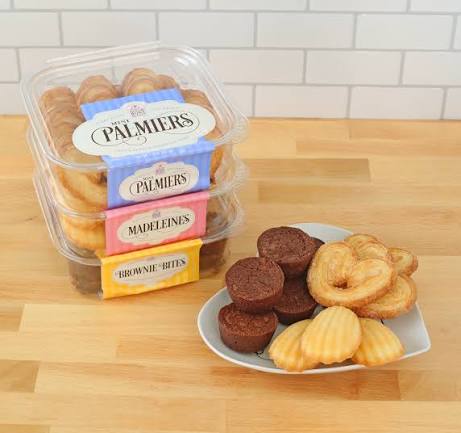
That small shop eventually grew into Sugar Bowl Bakery, a minority- and family-owned bakery known for products such as palmiers, madeleines, brownie bites, and other baked goods. Today, the company is based in Hayward, California, and has become one of the more recognizable family-owned food manufacturers in the Bay Area.
For a Minority-Owned Business Spotlight, Sugar Bowl Bakery is a strong story because it connects Vietnamese immigrant entrepreneurship, family sacrifice, food manufacturing, education, resilience, and the long process of turning a small business into a larger company.
It is not only a bakery story.
It is an American rebuilding story.
The Story Behind Sugar Bowl Bakery
Sugar Bowl Bakery began with the Ly family’s search for stability.
According to the company’s official story, the Ly brothers immigrated to the United States in 1979 and began working odd jobs after arriving. They later combined their savings and purchased a neighborhood coffee shop in San Francisco. That decision became the beginning of Sugar Bowl Bakery.
The story is powerful because it shows how entrepreneurship can begin from necessity. The brothers were not starting from comfort, wealth, or perfect conditions. They were trying to create a future for their families.
Many immigrant-owned businesses begin that way.
A small restaurant, bakery, shop, or service business can become a foothold. It can provide income, stability, community connection, and a way to build something for the next generation. Over time, that small business can grow far beyond its original purpose.
Sugar Bowl Bakery is a clear example of that path.
From Vietnam to California
The Ly family’s journey to the United States was shaped by war, displacement, and uncertainty.
NetSuite’s profile of the company describes how the Ly family fled Vietnam, spent time in a refugee camp, and eventually came to the United States. NBC Bay Area also reported that the family worked difficult jobs after arriving in San Francisco before pooling money to buy the bakery.
That history matters because it gives the business deeper meaning.
When people see a bakery product on a shelf, they may not think about the family history behind it. They may only see cookies, pastries, packaging, and price. But behind Sugar Bowl Bakery is a story of people leaving one country, starting over in another, and using work as a way to build a new life.
That kind of story deserves attention because minority-owned businesses often carry histories that are much larger than the product being sold.
Sugar Bowl Bakery’s pastries are part of a business. But the business itself is part of a family’s survival and growth.
Family as the Foundation
One of the strongest parts of Sugar Bowl Bakery’s story is family.
The company was started by five brothers, and the official story still describes it as family-owned and operated. In many immigrant businesses, family is not just emotional support. Family is labor, financing, trust, training, management, and long-term commitment.
The Ly brothers pooled their savings because they trusted one another. They worked together because the business had to survive. As the company grew, family remained part of the foundation.
That is not always easy.
Family businesses can face pressure. Decisions can become personal. Growth can create tension. Leadership transitions can be difficult. Different generations may have different visions. But when family businesses work well, they can create continuity that is hard to duplicate.
Sugar Bowl Bakery’s growth shows how family commitment can become a business advantage.
Growing Beyond a Neighborhood Bakery
Sugar Bowl Bakery did not remain only a neighborhood shop.
Over time, the company expanded from a small San Francisco business into a larger baked-goods manufacturer with products sold through major retailers. NetSuite reported that Sugar Bowl Bakery products became available through stores such as Costco, Safeway, and Walmart. SFGATE has also described the company as a major supplier of pastries to Costco and noted its growth from a San Francisco shop into large-scale production.
That kind of growth requires more than good recipes.
A business moving from a small bakery to manufacturing must learn production systems, food safety, packaging, distribution, supply chains, retail relationships, equipment investment, hiring, and quality control. A pastry that tastes good in a small shop must still taste good when produced at scale.
That is a huge business challenge.
Sugar Bowl Bakery’s growth shows how entrepreneurship often requires constant learning. The founders had to move from survival work to retail operations, then from local retail into large-scale manufacturing.
That is a serious business education story.
The Power of Consistency
Bakery products depend on consistency.
A customer expects a madeleine, palmier, or brownie bite to taste the same every time. Retailers expect orders to arrive correctly. Food safety standards must be followed. Packaging must protect the product. Production must meet demand. Employees must be trained. Equipment must work.
This is where a bakery becomes more than a warm story.
A growing food company must be disciplined.
Sugar Bowl Bakery’s success shows that a family business can combine heart with systems. The emotional story may bring attention, but consistency keeps customers and retailers coming back.
That is an important lesson for students and future entrepreneurs. A great story can help a business stand out, but operations help it survive.
Immigrant Entrepreneurship and the American Dream
Sugar Bowl Bakery is often described as an American dream story.
That phrase can sound simple, but in this case it fits because the business reflects several core ideas: starting with little, working difficult jobs, combining family resources, taking a risk, and building something larger over time.
Snack Food & Wholesale Bakery described the Ly brothers as arriving from Vietnam in 1979 as refugees with limited money, resources, and connections before eventually growing a storefront bakery into a national brand. NBC Bay Area’s profile also emphasized the family’s hard work and humility after arriving in the United States.
This does not mean the path was easy.
The American dream is often told as if hard work alone guarantees success. Real life is more complicated. Immigrant entrepreneurs may face language barriers, discrimination, limited capital, cultural adjustment, long hours, and unstable conditions. Hard work matters, but opportunity, timing, community, and support matter too.
Sugar Bowl Bakery’s story is inspiring because it includes struggle, not because it skips over it.
Why This Business Fits a New To Education Spotlight
Sugar Bowl Bakery fits New To Education because it is a real-world learning story.
Students can learn business from it. They can study entrepreneurship, manufacturing, supply chains, family ownership, branding, immigrant history, and food production.
Families can learn from it too. The story shows how one generation’s sacrifice can create opportunities for the next. It also shows how education and business can connect. California State University’s profile of Andrew Ly notes that he immigrated from Vietnam without prior English-language knowledge and later earned degrees in computer science and business administration before helping lead the company.
That detail matters because it shows how formal education and lived experience can work together.
The Ly family built the business through work, but education also played a role in leadership, systems, and growth.
That is exactly the kind of practical lesson New To Education readers can connect with.
Lessons for Minority Entrepreneurs
Sugar Bowl Bakery offers several lessons for minority entrepreneurs.
The first lesson is to start with what is possible. The Ly brothers did not begin with a large factory. They began with a small coffee shop. A business does not have to start big to become meaningful.
The second lesson is to use family and community wisely. Trust can be a powerful asset, especially when formal resources are limited.
The third lesson is to grow through systems. Moving from a small bakery to a larger manufacturer requires processes, training, equipment, and quality control.
The fourth lesson is to keep improving. Public profiles of the company repeatedly emphasize the family’s work ethic, humility, and willingness to learn.
The fifth lesson is that heritage and business can exist together. Sugar Bowl Bakery is not only a food company. It is also part of a Vietnamese American family story.
Lessons for Students and Families
Students can learn a lot from Sugar Bowl Bakery.
The business shows that entrepreneurship can begin with ordinary work and grow through persistence. It also shows that food businesses are complex. Behind every package are questions about ingredients, production, packaging, logistics, sales, finance, marketing, safety, and customer trust.
Students interested in business, culinary arts, logistics, manufacturing, marketing, or family entrepreneurship can all study this company as an example.
Families can also use the story to talk about sacrifice and opportunity. Many immigrant families carry stories of rebuilding, working difficult jobs, learning new systems, and supporting the next generation. Sugar Bowl Bakery gives that kind of story a visible business example.
It reminds readers that behind many successful companies are families who took risks when nothing was guaranteed.
Why Vietnamese American Businesses Matter
Vietnamese American businesses matter because they tell an important part of American history.
After the Vietnam War, many Vietnamese families came to the United States as refugees. They rebuilt their lives in cities and communities across the country, including California. Over time, Vietnamese American entrepreneurs built restaurants, bakeries, markets, nail salons, professional services, technology companies, and other businesses that shaped local economies.
These businesses helped families survive, but they also helped communities grow.
Sugar Bowl Bakery is one example of that larger story. It began with a family trying to build a future and became a company with wider reach.
That is why minority-owned business spotlights are important. They help readers see entrepreneurship not only as profit, but also as history, culture, and resilience.
Why This Story Matters for New To Education Readers
This story matters because New To Education focuses on learning, opportunity, and growth.
Sugar Bowl Bakery shows how a family can turn hardship into enterprise. It shows how immigrant entrepreneurship can begin with a small shop and grow into a larger company. It also shows that business success requires more than an idea. It takes learning, teamwork, risk, discipline, and the ability to adapt.
For students, this is a lesson in entrepreneurship and perseverance. For families, it is a reminder of the sacrifices that often sit behind success. For business owners, it shows the importance of consistency and long-term thinking. For communities, it highlights the value of minority-owned businesses in shaping local and national economies.
Sugar Bowl Bakery is more than a bakery.
It is a story about family, survival, work, and the possibility of building something sweet after a difficult beginning.
Key Takeaways
Sugar Bowl Bakery is a minority- and family-owned bakery founded in 1984 by five Vietnamese brothers, the Ly brothers, after they immigrated to the United States.
The family pooled its savings to buy a small neighborhood coffee shop in San Francisco and gradually grew the business into a major California baked-goods company.
The company’s story connects Vietnamese immigrant resilience, family entrepreneurship, food manufacturing, education, and long-term business growth.
For New To Education readers, Sugar Bowl Bakery is a strong Vietnamese-owned business spotlight because it shows how hard work, family support, learning, and persistence can turn a small local business into a broader success story.
FAQ
What is Sugar Bowl Bakery?
Sugar Bowl Bakery is a California-based bakery and baked-goods company known for products such as palmiers, madeleines, brownie bites, and other pastries.
Who founded Sugar Bowl Bakery?
Sugar Bowl Bakery was founded by the Ly brothers, five Vietnamese immigrant brothers who pooled their savings to buy a small neighborhood coffee shop in San Francisco.
When was Sugar Bowl Bakery founded?
Sugar Bowl Bakery was founded in 1984.
Why is Sugar Bowl Bakery a good Minority-Owned Business Spotlight?
It is a strong spotlight because it connects Vietnamese immigrant entrepreneurship, family ownership, food manufacturing, resilience, and California business growth.
What can students learn from Sugar Bowl Bakery?
Students can learn that entrepreneurship often starts small and requires persistence, teamwork, operations, quality control, branding, and continuous learning.
Related Articles
10 Ways New To Education Can Help Your Business Grow
What You Can Do on New To Education
Sources
Sugar Bowl Bakery — Official Website
NBC Bay Area — Vietnam Refugee Family Finds American Dream in Baked Goods
Snack Food & Wholesale Bakery — Family-Owned Sugar Bowl Bakery Represents the American Dream
SFGATE — One of Costco’s Enduring Pastry Brands Began as a Humble Doughnut Shop in SF
California State University — Andrew Ly
NextShark — Sugar Bowl Bakery Co-Founder Reflects on His Family’s Pursuit of the American Dream
New To Education — 10 Ways New To Education Can Help Your Business Grow




